

Unlocking Potential: The Strategic Imperative of Adaptive Learning Technology in Corporate L&D
In today's fast-evolving business landscape, the traditional "one-size-fits-all" approach to corporate training is increasingly outdated. Vice Presidents, Directors, and Senior Managers in Learning & Development face the complex challenge of equipping diverse workforces with critical skills while demonstrating clear return on investment. The need for personalized, impactful, and scalable training solutions has never been more pressing. This is where the power of Adaptive Learning Technology emerges as a strategic differentiator.
Imagine a learning environment that intuitively understands each employee's unique strengths, weaknesses, and learning pace. An environment that adjusts content, difficulty, and delivery methods in real-time, ensuring maximum engagement and efficient skill acquisition. This isn't a futuristic vision; it's the present reality offered by adaptive learning platforms. For forward-thinking L&D leaders across industries like Compliance, Sales, Banking, Finance, Insurance, Retail, Pharma, Health care, Hospitality, Oil and Gas, and Mining, embracing this technology isn't just about innovation – it's about competitive advantage and sustained growth.
What is Adaptive Learning Technology?
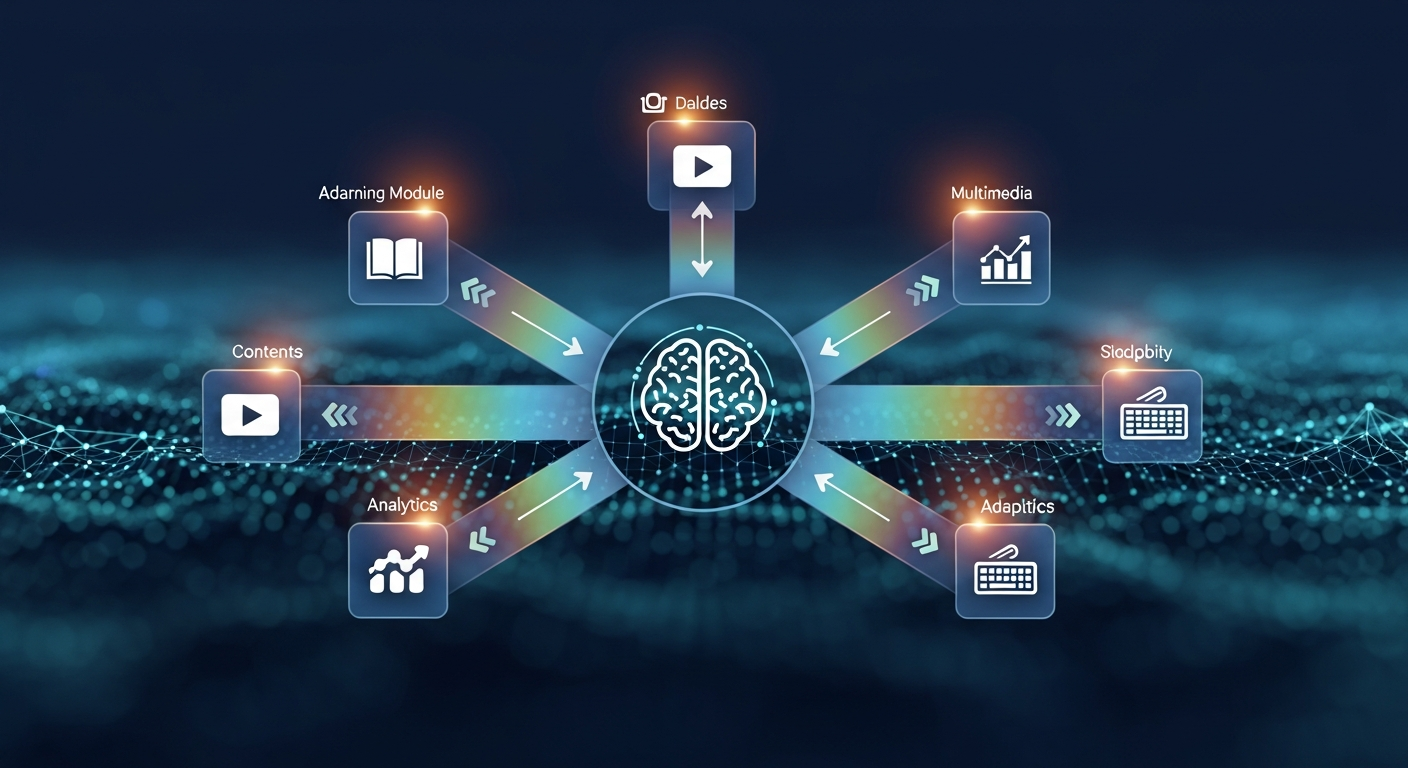
At its core, Adaptive Learning Technology is an advanced educational approach that dynamically modifies the learning experience based on an individual's performance, interactions, and preferences. Unlike static courses, an adaptive system acts like a personal tutor, constantly assessing knowledge gaps and strengths. It leverages sophisticated algorithms and data analytics to deliver precisely what a learner needs, when they need it, optimizing the path to mastery. This means no more wasted time on already-mastered topics and no more frustration on overly challenging material.
The "Why" Behind Adaptive Learning: Addressing L&D Pain Points
For L&D professionals, the strategic benefits of integrating adaptive learning are manifold:
Personalization at Scale
- Traditional training struggles to cater to individual needs within large organizations. Adaptive learning platforms solve this by offering truly personalized learning paths for thousands of employees simultaneously. Each learner experiences a journey tailored to their prior knowledge, learning style, and role requirements, making learning more relevant and impactful.
Enhanced Engagement and Retention
- When content is relevant and challenging but not overwhelming, engagement skyrockets. Adaptive systems keep learners motivated by providing immediate feedback, appropriate challenges, and opportunities to apply new knowledge. This dynamic interaction significantly improves knowledge retention compared to passive learning methods.
Measurable Impact and ROI
- Adaptive learning platforms generate rich data on learner performance, progress, and areas of struggle. This granular insight allows L&D leaders to demonstrate the tangible impact of their training programs, identify skill gaps across departments, and justify budget allocations with concrete evidence of improved proficiency and productivity.
Efficiency in Content Delivery
- By focusing only on areas where learners need improvement, adaptive learning reduces the overall time spent in training without compromising outcomes. This efficiency is crucial for organizations where employee time is a valuable resource, ensuring that training is both effective and time-conscious.
Adaptive Learning in Action: Industry-Specific Benefits
The versatility of adaptive learning makes it invaluable across a spectrum of industries:
- Compliance: For industries like Banking, Finance, Insurance, and Pharma, regulatory compliance training is non-negotiable. Adaptive learning ensures employees grasp complex regulations, identify high-risk areas, and remain current with evolving policies, significantly reducing the potential for costly errors and penalties. It can provide Risk-focused Training that pinpoints critical knowledge gaps.
- Sales: Sales teams in Retail and other sectors benefit from personalized training that hones product knowledge, objection handling, and closing techniques. Adaptive modules can simulate real-world scenarios, ensuring sales professionals are always prepared to engage customers effectively, leading to increased conversions.
- Healthcare: Clinical staff and administrators require continuous education on new procedures, equipment, and patient care protocols. Adaptive learning can tailor medical training to individual specialties, ensuring critical knowledge transfer and improving patient outcomes.
- Hospitality: From customer service excellence to operational procedures, adaptive training can rapidly onboard new staff and upskill existing teams, ensuring consistent service quality and guest satisfaction across diverse roles.
- Oil and Gas & Mining: These high-risk industries demand rigorous safety protocols and operational training. Adaptive learning can ensure every employee, from field workers to engineers, demonstrates complete mastery of safety procedures and equipment operation, reducing accidents and improving efficiency.
Leveraging Intelligence for Optimal Learning Journeys
The intelligence embedded within adaptive learning platforms revolutionizes how L&D can optimize every aspect of the learning experience:
How does modern learning technology ensure content is always relevant to an individual learner's immediate needs and skill gaps?
Intelligent learning platforms start with diagnostic assessments or pre-tests that pinpoint a learner's current knowledge baseline. Based on these results, the system dynamically curates a personalized curriculum, selecting modules, exercises, and resources that address specific deficiencies while skipping already mastered concepts. As the learner progresses, the platform continuously analyzes their performance – the speed of completion, accuracy of answers, types of errors made – and adjusts the learning path in real-time. If a learner struggles with a particular concept, the system can offer alternative explanations, supplementary materials, or simplified content. Conversely, if a learner demonstrates mastery, it can introduce more advanced topics or challenging scenarios. This ongoing calibration ensures the learning experience remains highly relevant, continuously engaging, and perfectly paced for each individual. Such a precise and personalized approach is a hallmark of effective Adaptive Learning.
What mechanisms do intelligent learning platforms employ to keep learners engaged and motivated throughout their training modules, especially across diverse geographical or operational contexts?
To maintain high engagement, intelligent learning platforms integrate various motivational elements. They provide immediate, constructive feedback that helps learners understand their mistakes and progress. Dynamic content delivery ensures that the level of challenge is always appropriate – not too easy, not too difficult – keeping learners in a state of optimal learning flow. Many platforms also incorporate Gamified LMS features, such as points, badges, leaderboards, and progress tracking, transforming learning into an interactive and rewarding experience. The flexibility of these platforms also supports learning across diverse contexts, allowing employees to access training on demand, from any location, at their own pace. This accessibility, combined with engaging content, fosters a sense of autonomy and continuous improvement, crucial for motivation in varied operational environments.
Beyond completion rates, what deeper insights can an advanced learning platform provide to L&D leaders regarding skill proficiency and the overall effectiveness of their training programs?
An advanced learning platform moves beyond mere completion rates to offer sophisticated analytics that provide a true picture of skill proficiency and program effectiveness. It can identify specific knowledge gaps across teams or departments, highlight common areas of struggle, and even predict which learners might be at risk of falling behind. L&D leaders gain insights into the most effective learning paths, the impact of different content types, and the correlation between training performance and real-world job performance. This data-driven approach allows for continuous refinement of training content, curriculum adjustments, and targeted interventions. With a robust Microlearning LMS, L&D professionals can generate actionable reports that demonstrate the precise impact of their programs on individual and organizational capabilities, providing undeniable proof of training value.
The Future of Corporate Learning is Adaptive
The shift towards adaptive learning isn't just a trend; it's a fundamental evolution in how organizations approach talent development. It empowers L&D leaders to move from reactive training to proactive skill-building, fostering a culture of continuous learning that drives innovation and resilience. With the advent of an AI Powered Authoring Tool, creating adaptive content is becoming more efficient and accessible, further accelerating its adoption.
Choosing the Right Adaptive Learning Partner
Implementing adaptive learning requires careful consideration of technology and strategy. When evaluating solutions, L&D leaders should look for a comprehensive LMS that integrates adaptive capabilities seamlessly. A powerful Learning content management system (LCMS) combined with intuitive learning management software ensures both robust content delivery and sophisticated learner analytics. Platforms like the MaxLearn LMS exemplify the future of learning management solutions, offering a scalable, cloud based learning management system designed for enterprise learning management. The ideal learning management system (LMS) should be a true lms learning management system, capable of transforming your training initiatives.
Embracing Adaptive Learning Technology isn't merely an investment in a new platform; it's an investment in your people, your strategic capabilities, and the future success of your organization. It’s time for L&D leaders to harness this transformative power to create truly impactful and future-proof learning experiences.
.jpg)


