

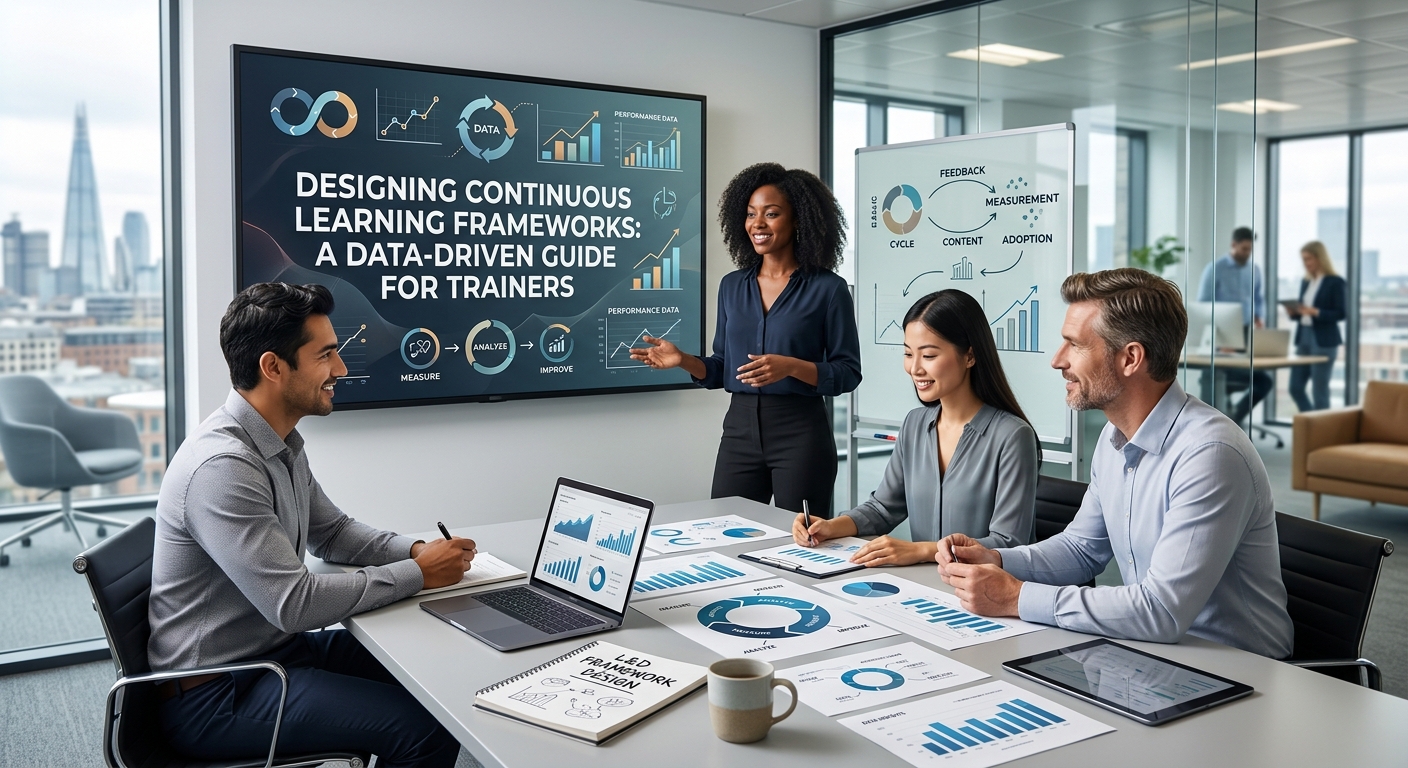
Designing Continuous Learning Frameworks: A Data-Driven Guide for Trainers
In today's hyper-competitive and rapidly evolving business landscape, the concept of "training" has undergone a profound transformation. For L&D Vice Presidents, Directors, and Managers across industries like Compliance, Sales, Banking, Finance, Insurance, Retail, Pharma, Healthcare, Hospitality, Oil and Gas, and Mining, merely offering periodic courses is no longer sufficient. Organizations must cultivate a culture of continuous learning, empowered by robust, data-driven frameworks that adapt as quickly as the market itself.
This article provides a strategic guide for L&D leaders to design and implement continuous learning frameworks that are not only engaging and effective but also measurable and aligned with business objectives. By leveraging data, technology, and strategic insights, trainers can move beyond reactive training to proactive skill development, ensuring their workforce remains agile, competent, and ready for future challenges.
Why Continuous Learning is No Longer Optional
The imperative for continuous learning stems from several critical factors:
- Dynamic Business Environments: Industries are constantly reshaped by technological advancements, regulatory changes, and shifting customer expectations. Employees need to continuously upskill and reskill to remain relevant.
- Employee Engagement and Retention: Modern employees seek opportunities for growth and development. Organizations that provide robust continuous learning frameworks report higher engagement, satisfaction, and reduced turnover.
- Mitigating Skill Gaps: A proactive approach to learning helps identify and bridge skill gaps before they impact productivity or compliance, ensuring organizational resilience.
- Competitive Advantage: A highly skilled, continuously learning workforce is a significant competitive differentiator, fostering innovation and improved performance.
The Pillars of a Data-Driven Framework
A successful continuous learning framework is built on four interdependent pillars, each informed by data:
Understanding Your Learning Landscape
The first step is to gain a clear, data-backed understanding of your organization's current learning needs and capabilities. This involves:
- Needs Assessment: Utilize performance reviews, skill assessments, employee surveys, feedback from managers, and industry trend reports to pinpoint current skill deficiencies and anticipate future requirements.
- Audience Segmentation: Understand the diverse learning preferences, roles, and existing knowledge levels within your workforce.
- Leveraging Technology: A sophisticated learning management system (LMS) is crucial for collecting and analyzing this foundational data. An effective LMS provides insights into employee performance, engagement with existing content, and areas requiring attention.
Designing Engaging and Relevant Content
Once needs are identified, content must be tailored for maximum impact:
- Personalized Learning Paths: Data should drive the creation of individualized learning journeys that cater to specific roles, skill levels, and career aspirations. This is where Adaptive Learning truly shines, adjusting content difficulty and recommendations based on learner progress.
- Microlearning and Modular Content: Break down complex topics into digestible, bite-sized modules. A dedicated Microlearning LMS can effectively deliver this content, improving retention and making learning accessible within busy schedules.
- AI-Powered Content Creation: An AI Powered Authoring Tool can significantly streamline the development of high-quality, relevant training materials, allowing L&D teams to focus on strategy rather than exhaustive content generation. A robust learning content management system (LCMS) is essential for organizing and distributing these assets.
Implementing Effective Delivery Mechanisms
How learning is delivered is as important as what is delivered:
- Blended Learning: Combine self-paced online modules with live workshops, coaching, or peer learning sessions for a holistic experience.
- Gamification: Integrate game-like elements such as points, badges, leaderboards, and challenges to boost motivation and engagement. A Gamified LMS can transform routine training into an exciting journey.
- Accessibility and Flexibility: Ensure learning is available anytime, anywhere, and on any device. A cloud based learning management system makes this possible, supporting the needs of a diverse and geographically dispersed workforce. Leading learning management solutions like MaxLearn LMS are designed with this flexibility in mind.
Measuring Impact and Iterating
Continuous learning requires continuous evaluation and refinement:
- Key Performance Indicators (KPIs): Track completion rates, skill improvement scores, application of learned skills to real-world tasks, and their correlation with business outcomes (e.g., sales figures, compliance rates, incident reduction).
- Feedback Loops: Implement regular surveys, focus groups, and one-on-one discussions to gather qualitative insights into the effectiveness of training programs.
- Continuous Improvement: Use collected data to identify areas for improvement, modify content, refine delivery methods, and ensure the framework remains aligned with evolving organizational goals. This iterative process is a hallmark of truly effective enterprise learning management.
AI's Role in Supercharging Continuous Learning
Artificial intelligence is rapidly becoming an indispensable ally for L&D professionals designing modern learning frameworks:
How can advanced technology personalize learning paths for employees?
Artificial intelligence analyzes vast amounts of data, including an employee's performance history, learning preferences, career aspirations, and even their interactions with past learning materials. It then dynamically recommends specific modules, resources, or even mentors, creating truly bespoke learning journeys. This adaptive capability ensures that each learner receives content that is optimally challenging and relevant, maximizing engagement and skill development. Modern lms learning management system platforms often incorporate these AI features.
What's the best way to identify skill gaps across a global workforce using data?
AI-driven analytics can process data from various sources—performance reviews, project outcomes, compliance audits, and internal skill assessments—to create a comprehensive, real-time map of your organization's skill inventory. For a global workforce, it can highlight regional differences in skill proficiency and identify emerging gaps based on market trends and operational requirements. This predictive capability allows L&D leaders to proactively design targeted interventions, supported by a powerful learning management software.
How can intelligent systems assist in creating relevant and engaging training content efficiently?
AI significantly accelerates content creation and curation. An AI Powered Authoring Tool can generate initial content drafts, summarize lengthy documents, create quizzes, and even translate materials into multiple languages, saving countless hours for instructional designers. It can also analyze existing content for relevance and suggest improvements, ensuring that materials remain fresh, engaging, and aligned with learning objectives.
How does data help in designing Risk-focused Training strategies?
For industries like Banking, Finance, and Pharma, risk and compliance are paramount. Data analytics, often enhanced by AI, can pinpoint areas of high risk by analyzing past incidents, audit findings, and regulatory changes. This data allows trainers to design highly targeted and effective Risk-focused Training modules. It ensures that critical compliance training is not just completed, but truly understood and applied, mitigating potential liabilities and fostering a culture of adherence. A comprehensive learning management solutions can track and report on these vital compliance training metrics.
Practical Steps for L&D Leaders
Implementing a data-driven continuous learning framework might seem daunting, but these steps can guide you:
- Align with Business Strategy: Ensure learning initiatives directly support organizational goals.
- Invest in the Right Technology: Choose a robust MaxLearn LMS that offers advanced analytics, integration capabilities, and supports various learning modalities like microlearning and gamification.
- Foster a Learning Culture: Encourage employees and managers to view learning as an ongoing journey, not a one-off event. Celebrate learning achievements.
- Start Small, Iterate, Scale: Begin with a pilot program, gather data, refine your approach, and then gradually scale across the organization.
Conclusion
Designing continuous learning frameworks is no longer a luxury but a strategic imperative for L&D leaders. By adopting a data-driven approach, leveraging powerful tools like an LMS with Adaptive Learning and AI Powered Authoring Tool capabilities, and focusing on measurable outcomes, organizations can build a workforce that is not just trained, but truly adaptable, resilient, and ready to meet the challenges of tomorrow. The future of organizational success lies in the continuous growth and development of its people, fueled by smart, data-informed learning strategies.
.jpg)


