

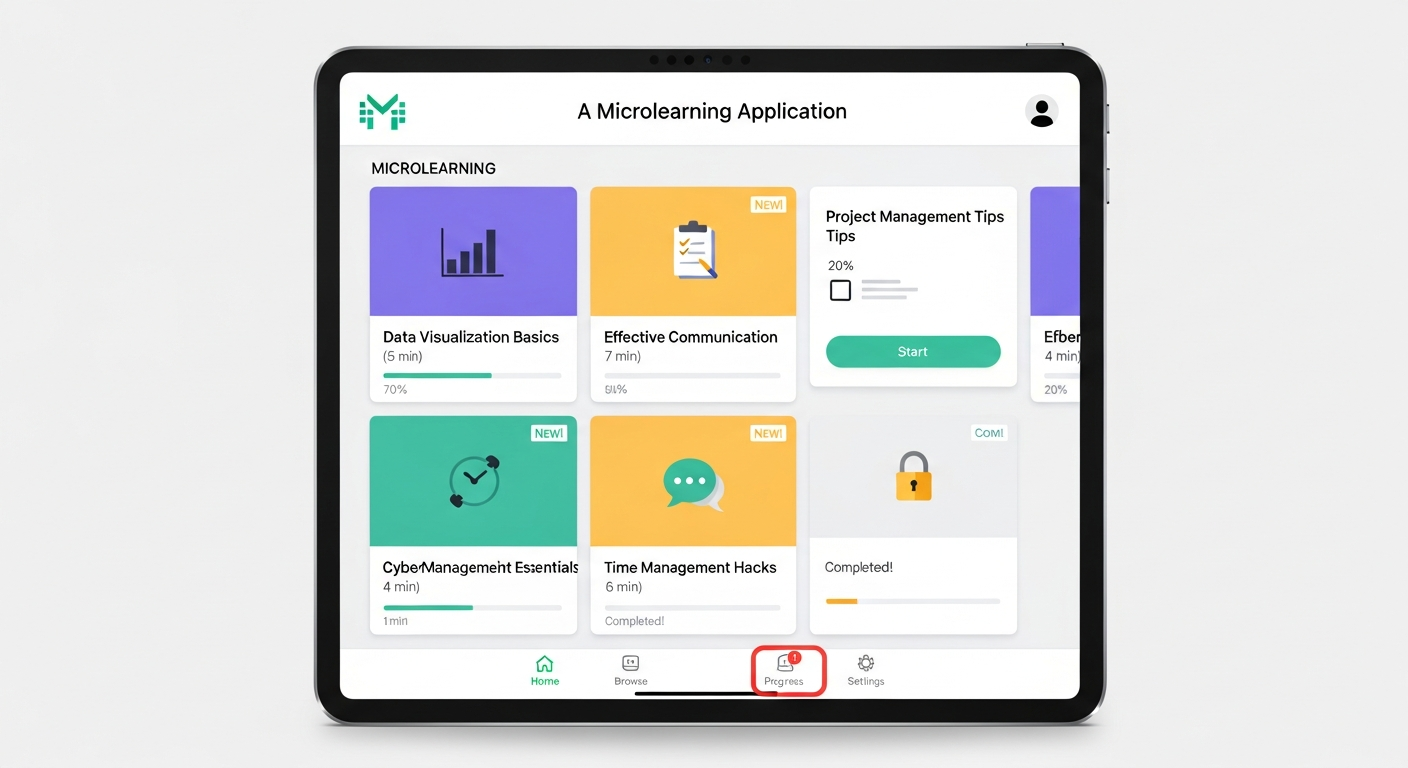
Unlocking Potential: The Strategic Application of Microlearning for L&D Leaders
In today's fast-paced corporate environment, the traditional one-size-fits-all approach to employee development is rapidly becoming obsolete. Learning and Development (L&D) leaders – from Vice Presidents to Managers – are under immense pressure to deliver impactful, efficient, and measurable training that truly resonates with a modern workforce grappling with information overload and shrinking attention spans. This is where the strategic application of microlearning emerges not just as a trend, but as a critical methodology for fostering continuous growth and boosting organizational performance. For those overseeing an Microlearning LMS, understanding its full potential is key.
Microlearning, characterized by its short, focused bursts of content, delivered precisely when and where it's needed, is perfectly tailored for the demands of the digital age. It's about breaking down complex topics into digestible, engaging modules that can be consumed in minutes, fitting seamlessly into busy schedules and empowering learners to acquire skills on demand.
Why Microlearning is Indispensable for Modern L&D Leaders
The benefits of adopting a microlearning strategy extend far beyond mere convenience. For L&D professionals, it represents a powerful tool to address common challenges and drive significant improvements across key metrics.
Enhanced Engagement and Knowledge Retention
- Combats Information Overload: Smaller chunks of information are less daunting and easier to process, leading to higher engagement rates.
- Optimized for Modern Attention Spans: Designed for quick consumption, microlearning modules align with how people naturally learn and consume digital content today.
- Improved Recall: Spaced repetition, a core principle often integrated with microlearning, significantly boosts long-term knowledge retention.
Agility and Speed to Competency
The ability to quickly update and deploy training content is paramount. Whether it's a new product launch, a policy change, or an evolving regulatory landscape, microlearning facilitates rapid response. This agility allows organizations to adapt faster, ensuring their workforce is always equipped with the latest knowledge and skills, directly impacting productivity and competitive advantage. A robust Gamified LMS can further enhance this agility by making learning enjoyable and competitive.
Cost-Effectiveness and Scalability
Developing microlearning content can be more efficient than creating lengthy courses. Its modular nature allows for content reuse and easier updates. Furthermore, a modern Microlearning LMS makes it highly scalable, enabling organizations to deliver consistent, high-quality training to thousands of employees across diverse locations without significant logistical overhead. This makes it an ideal choice for enterprise learning management.
Transformative Applications Across Industries
Microlearning's versatility makes it a valuable asset across a wide spectrum of industries, addressing specific training needs with precision.
Compliance and Risk-focused Training
For industries like Banking, Finance, Insurance, and Healthcare, compliance training is not just a necessity but a strategic imperative. Microlearning can deliver critical regulatory updates, ethical guidelines, and Risk-focused Training in manageable segments, ensuring employees understand and adhere to complex rules. Short quizzes and scenarios embedded within modules reinforce learning, mitigating potential liabilities and fostering a culture of compliance. This is often managed through a specialized learning management software.
Sales Effectiveness and Product Knowledge
In Sales and Retail, product knowledge is power. Microlearning modules can quickly educate sales teams on new product features, sales techniques, objection handling, or competitive differentiators. Delivered via a mobile-friendly Microlearning LMS, sales professionals can access crucial information just before a client meeting, boosting their confidence and closing rates.
Operational Efficiency in Hospitality, Oil and Gas, and Mining
For sectors with complex operational procedures such as Hospitality, Oil and Gas, and Mining, microlearning is ideal for delivering just-in-time training on safety protocols, equipment operation, or specific service standards. Visual, short videos or interactive guides can significantly improve understanding and reduce errors, leading to safer, more efficient operations. A cloud based learning management system provides the flexibility needed for remote and on-site teams.
Pharma and Healthcare: Continuous Professional Development
The medical and pharmaceutical fields require continuous learning to keep up with scientific advancements, new drugs, and best practices. Microlearning supports ongoing professional development by providing quick updates on research, clinical guidelines, or drug information. This ensures healthcare professionals remain competent and provide the best patient care, often supported by an advanced LMS learning management system.
Leveraging Technology: The Role of an Advanced Platform
The full potential of microlearning is realized when supported by a sophisticated learning platform. An ideal Microlearning LMS acts as the central hub for content delivery, learner management, and performance tracking. Features like Adaptive Learning ensure personalized learning paths, tailoring content to individual needs and knowledge gaps.
Furthermore, the emergence of an AI Powered Authoring Tool revolutionizes content creation, allowing L&D teams to rapidly develop high-quality, engaging microlearning modules with significantly reduced effort. These tools can assist with content generation, localization, and even suggest optimal learning paths, streamlining the entire content lifecycle within a comprehensive learning content management system (LCMS). Platforms like MaxLearn LMS are at the forefront of this innovation, providing robust learning management solutions.
Intelligent Insights: Questions L&D Leaders Are Asking
As L&D increasingly embraces technology, intelligent solutions are often at the forefront of discussions. Here are answers to some common queries:
How can intelligent systems enhance the effectiveness of short-form learning modules?
Intelligent systems can personalize the learning experience by analyzing learner performance and preferences, then recommending specific microlearning modules. They can also automate content curation, identify skill gaps, and even predict learning outcomes, ensuring that each learner receives the most relevant and impactful content at the optimal time. This leads to highly efficient and targeted development initiatives.
Are there specific considerations for implementing bite-sized learning strategies across diverse global teams?
Yes, global implementation requires careful attention to localization. This includes translating content accurately, ensuring cultural relevance of examples and scenarios, and considering varying internet access speeds or device preferences in different regions. A flexible learning management system that supports multiple languages and adaptable content formats is crucial for successful worldwide deployment, allowing a truly global enterprise learning management strategy.
What are the key steps for L&D leaders to successfully integrate microlearning with intelligent automation?
Successful integration involves several steps: first, defining clear learning objectives that align with business goals. Second, selecting an advanced learning management software that offers robust intelligent features, such as adaptive learning paths and analytics. Third, leveraging AI-powered tools for content creation and personalization. Finally, continuously analyzing data to iterate and optimize the microlearning strategy, ensuring it remains effective and aligned with evolving organizational needs. This holistic approach ensures the maximum return on investment for your LMS.
The Future of Learning is Micro
For L&D Vice Presidents, Directors, and Managers, the application of microlearning is more than just a pedagogical shift; it's a strategic imperative for building a resilient, knowledgeable, and agile workforce. By embracing this approach, supported by advanced platforms and intelligent tools, organizations can foster a culture of continuous learning that drives innovation, enhances performance, and secures a competitive edge in any industry. The journey towards optimized employee development starts with breaking down learning into its most powerful, digestible form.
.jpg)


