

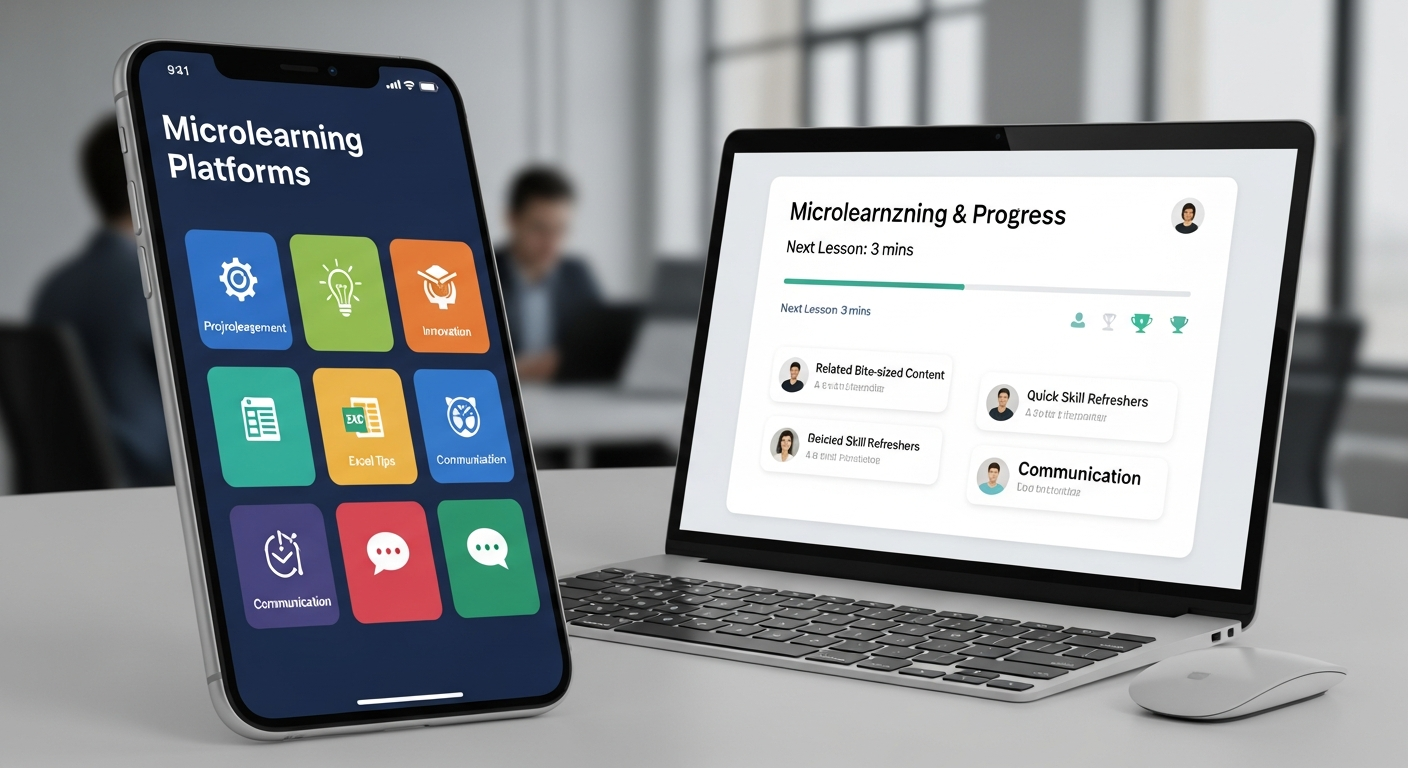
Unlocking Agility: How Microlearning Platforms Are Revolutionizing Corporate L&D
In today's fast-paced corporate environment, the traditional model of lengthy, infrequent training sessions is rapidly becoming obsolete. Learning and Development (L&D) leaders, including Vice Presidents, Directors, and Managers, are constantly seeking innovative solutions to engage employees, upskill workforces efficiently, and drive measurable business outcomes. The answer for many lies in the strategic adoption of Microlearning LMS platforms – sophisticated systems designed to deliver bite-sized, highly targeted learning experiences precisely when and where they're needed. These platforms are not just a trend; they represent a fundamental shift in how organizations approach continuous professional development across diverse sectors like Compliance, Sales, Banking, Finance, Insurance, Retail, Pharma, Healthcare, Hospitality, Oil and Gas, and Mining.
An effective learning management system in the microlearning era transcends simple content delivery. It's about creating an ecosystem of continuous growth, ensuring employees are always equipped with the latest knowledge and skills. As L&D professionals, understanding the profound impact and capabilities of a modern Microlearning LMS is crucial for staying competitive and fostering a truly agile workforce.
Why Microlearning Now? The L&D Imperative
The modern workforce operates with unprecedented demands on their time and attention. From sales representatives needing immediate product updates to healthcare professionals requiring rapid protocol changes, the need for 'just-in-time' learning is paramount. This environment makes microlearning platforms an indispensable tool for L&D. Here's why:
- Shrinking Attention Spans: Research consistently shows declining attention spans. Microlearning, with its 3-5 minute modules, aligns perfectly with how people consume information today.
- Need for Continuous Learning: Industries are evolving at lightning speed. Employees require ongoing access to new information, not just annual refreshers. A robust learning management software facilitates this continuous engagement.
- Workforce Demographics: Digital-native employees expect engaging, accessible, and personalized learning experiences. A Microlearning LMS delivers on these expectations.
- Application and Retention: Shorter modules are easier to digest, process, and immediately apply, leading to significantly higher retention rates compared to traditional, lengthy courses.
For industries like Compliance, microlearning ensures that complex regulations are broken down into digestible, understandable chunks, reducing the burden of mandatory training. In Sales, it means reps can quickly master new product features or objection handling techniques, impacting performance directly. Banking and Finance benefit from rapid deployment of new policy updates, while Healthcare and Pharma can disseminate critical patient care or drug information instantly.
Key Features of a Robust Microlearning Platform
When evaluating a learning management system for microlearning, L&D leaders should look beyond basic functionality. A truly impactful platform acts as a comprehensive learning content management system. Essential features include:
- Bite-Sized Content Delivery: The core of microlearning. The platform must easily support short videos, interactive quizzes, infographics, and quick simulations.
- Mobile-First Design: Learners expect to access content anytime, anywhere, on any device. A responsive and intuitive mobile experience is non-negotiable for any modern learning management solution.
- Interactive Elements: Engagement is key. Look for features that support gamification, polls, quizzes, drag-and-drop activities, and branching scenarios. A Gamified LMS can significantly boost learner motivation and completion rates.
- Robust Analytics and Reporting: L&D needs data to prove ROI. The platform should offer detailed insights into learner progress, engagement, completion rates, and knowledge gaps.
- Content Curation and Management: An efficient LCMS (Learning Content Management System) allows for easy creation, organization, updating, and distribution of microlearning modules.
The AI Edge: Transforming Microlearning Delivery
The integration of artificial intelligence is elevating microlearning platforms from simple content delivery systems to intelligent learning ecosystems. AI capabilities unlock unprecedented levels of personalization, efficiency, and predictive power, directly addressing critical L&D challenges without using specific AI optimization acronyms.
How can we ensure each learner receives the most relevant content, precisely when they need it, without manual intervention?
Advanced algorithms embedded within a modern lms learning management system analyze individual learner performance, job roles, learning styles, and even prior knowledge. This intelligence then dynamically curates personalized learning paths, ensuring that a sales manager in New York receives different, yet equally vital, micro-modules compared to a compliance officer in London. This dynamic personalization is the hallmark of Adaptive Learning, making training highly efficient and supremely relevant to each user's unique development needs and career trajectory.
Is there a way to drastically cut down the time and resources required to develop high-quality, engaging microlearning modules?
Absolutely. Modern platforms are integrating intelligent tools that can significantly streamline content creation. These tools can assist instructional designers by suggesting relevant topics, drafting initial content, converting existing materials into microlearning formats, and even optimizing module length for maximum impact. Such innovations, often found in an AI Powered Authoring Tool, empower L&D teams to produce more content, faster, and with higher quality, liberating valuable resources for strategic initiatives rather than mundane development tasks. This is particularly beneficial for industries like Retail and Hospitality, which require frequent updates to product knowledge and service protocols.
How can organizations proactively identify skill gaps and potential risks within their workforce before they become critical issues?
Intelligent analytics within an enterprise learning management solution can go beyond tracking completion rates. By analyzing performance data, engagement patterns, and assessment results across the entire organization, these systems can predict emerging skill gaps or areas of non-compliance. For instance, in the Banking and Finance sectors, algorithms can highlight teams or individuals who might be vulnerable to new regulatory changes, prompting targeted Risk-focused Training interventions. This proactive approach allows L&D to address potential weaknesses before they impact business operations, enhance enterprise learning management, or lead to costly errors in industries like Oil and Gas or Mining.
Microlearning Across Industries
The versatility of microlearning platforms makes them invaluable across a multitude of industries:
Compliance & Risk Management
- Banking & Finance: Rapid deployment of new financial regulations, anti-money laundering (AML) updates, and ethical conduct refreshers.
- Pharma & Healthcare: Disseminating new drug information, patient safety protocols, and regulatory compliance (e.g., HIPAA).
- Oil & Gas / Mining: Essential for safety certifications, environmental regulations, and equipment operation updates in hazardous environments.
Sales & Service Excellence
- Retail & Hospitality: Quick training on new product lines, seasonal promotions, customer service best practices, and POS system updates.
- Sales Teams: Just-in-time learning for competitive analysis, new product launches, sales objection handling, and CRM system proficiency.
- Insurance: Understanding new policy features, regulatory changes, and sales techniques for complex financial products.
Choosing the Right Platform: What L&D Leaders Should Look For
Selecting the right learning management system is a strategic decision. Consider these factors:
- Scalability: Can the platform grow with your organization? A cloud based learning management system offers unparalleled scalability and accessibility.
- Integration Capabilities: Does it integrate seamlessly with existing HRIS, CRM, or other enterprise systems?
- User Experience: Is it intuitive, engaging, and easy for learners and administrators alike?
- Content Creation & Curation: Does it provide robust tools for creating and managing your specific microlearning content needs? Look for a powerful LCMS.
- Vendor Support & Innovation: Choose a provider committed to continuous improvement and strong customer support. MaxLearn LMS, for example, is built with these principles in mind.
The Future is Now: Implementing a Microlearning Strategy
Embracing microlearning isn't just about adopting a new learning management software; it's about fostering a culture of continuous, adaptable learning. L&D leaders should:
- Start Small: Pilot microlearning programs with specific teams or in critical areas.
- Align with Business Objectives: Ensure every micro-module ties back to a measurable business goal, whether it's improved sales, reduced compliance violations, or enhanced customer satisfaction.
- Measure Impact: Utilize the platform's analytics to continuously assess effectiveness and iterate on content.
- Champion Continuous Engagement: Promote microlearning as an integral part of daily work, not a separate, burdensome task.
Conclusion
Microlearning platforms are no longer a luxury but a necessity for L&D leaders aiming to build agile, knowledgeable, and highly skilled workforces. By delivering timely, relevant, and engaging content through an intelligent LMS, organizations can address critical training gaps, drive performance, and ensure compliance across all sectors. The strategic implementation of such a platform empowers employees, optimizes L&D operations, and ultimately contributes to sustained business growth in an ever-changing world. It's time for L&D professionals to harness the power of microlearning and AI to shape the future of corporate training.
.jpg)


