

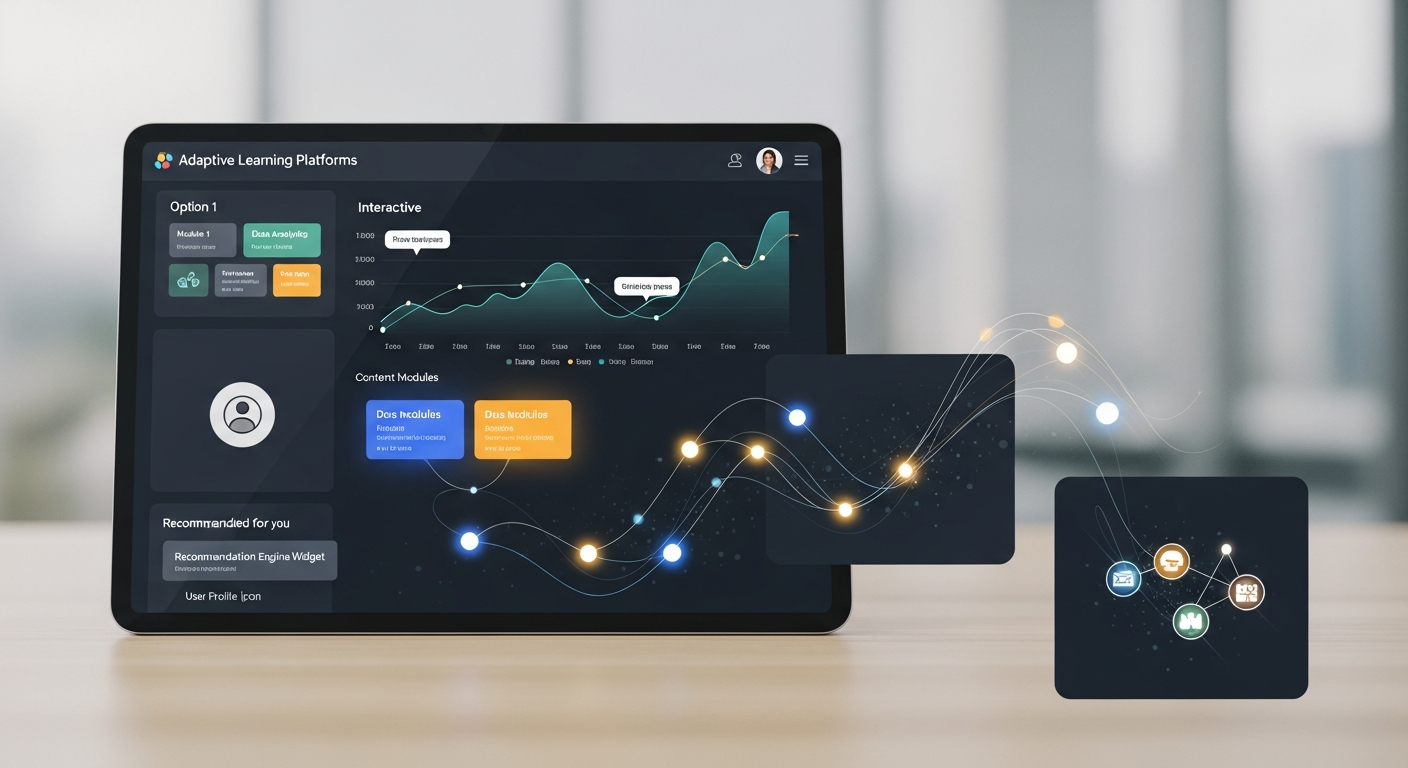
Adaptive Learning Platforms: Revolutionizing Corporate Training for L&D Leaders
In today's fast-paced corporate landscape, where knowledge retention and skill development are paramount, Learning & Development (L&D) leaders face the monumental task of delivering effective, engaging, and scalable training. The traditional one-size-fits-all approach is rapidly becoming obsolete, yielding to a demand for more personalized, efficient, and impactful learning experiences. This is where Adaptive Learning platforms emerge as a sophisticated solution to tailor educational content to individual learner needs, preferences, and performance.
For Vice Presidents, Directors, Senior Managers, and Managers of L&D across diverse sectors like Compliance, Sales, Banking, Finance, Insurance, Retail, Pharma, Health care, Hospitality, Oil and Gas, and Mining, understanding and implementing an advanced Microlearning LMS equipped with adaptive capabilities is no longer an option—it's a strategic imperative. This article delves into how these innovative platforms are reshaping enterprise learning management, driving better outcomes, and empowering your workforce.
What is an Adaptive Learning Platform?
An adaptive learning platform is a sophisticated Microlearning LMS that dynamically adjusts the learning path and content in real-time based on a learner's interactions, performance, and progress. Unlike conventional LMS solutions, adaptive systems use algorithms and data analytics to identify knowledge gaps, suggest relevant materials, and even modify the difficulty level of assessments. This ensures that each employee receives a truly personalized learning journey, optimizing their time and maximizing knowledge acquisition. It represents a significant evolution in learning content management system technology.
Imagine a learning management system that understands if an employee struggles with a particular concept in a compliance module for banking, and immediately provides supplementary resources or alternative explanations, rather than moving them forward prematurely. This is the core promise of adaptive learning – intelligent, responsive education that aligns with the unique pace and style of every individual. It transforms a generic learning management software into a dynamic learning partner.
Why Now? The Evolving Landscape of Enterprise Training
The demands on corporate training are greater than ever. Rapid technological advancements, evolving regulatory frameworks, and intense market competition require a workforce that is not only skilled but also agile and continuously learning. Here’s why adaptive learning is critical for L&D leaders today:
-
Addressing Skill Gaps Effectively
Traditional training often fails to pinpoint and address specific skill gaps efficiently across a large organization. Adaptive platforms utilize granular data to identify precisely where individual employees need support, allowing for targeted intervention and faster skill development across various roles and industries.
-
Boosting Engagement and Retention
Disengaged learners are ineffective learners. By providing relevant and challenging content that isn't too easy or too difficult, adaptive systems significantly boost learner engagement. Features like a Gamified LMS further enhance motivation, leading to higher completion rates and better knowledge retention. This is a key advantage of modern learning management solutions.
-
Ensuring Compliance and Reducing Risk
For industries like Finance, Healthcare, and Oil and Gas, compliance training is non-negotiable. Adaptive platforms can ensure every employee fully grasps critical regulatory information, providing robust audit trails and minimizing Risk-focused Training exposure. This is particularly vital in sectors where failing to comply can have severe financial and legal repercussions. An effective lms learning management system is crucial here.
-
Scalability Across Global Operations
A global enterprise needs learning management software that can scale efficiently. A cloud based learning management system with adaptive capabilities can deliver personalized training to thousands of employees across different regions, languages, and roles, without compromising quality. This provides true enterprise learning management.
Leveraging AI for Enhanced Adaptive Learning
Artificial Intelligence (AI) is the backbone of truly adaptive learning platforms, elevating them beyond mere personalized learning paths to intelligent, predictive systems. For L&D professionals exploring advanced technologies, here are some common inquiries:
What advanced technologies are transforming corporate training, and how do they benefit our L&D strategy?
The foremost technologies revolutionizing corporate training are Artificial Intelligence and machine learning, particularly when integrated into an enterprise learning management system. These technologies allow platforms to analyze vast amounts of learner data – from assessment scores and completion times to interaction patterns and content preferences. This analysis enables the system to not just personalize, but to predict areas of difficulty, recommend optimal learning paths, and even generate custom content. For your L&D strategy, this means more precise training, higher efficiency, and a demonstrable return on investment through improved employee performance and reduced training costs with your chosen learning management system.
How can tailored learning experiences benefit our specific industry challenges, for example, in financial compliance or healthcare safety protocols?
In highly regulated sectors like Banking, Finance, and Health care, tailored adaptive learning experiences are invaluable. AI-driven adaptive platforms can specifically identify which regulations or safety protocols an individual employee in a particular geographic region or role struggles with. For instance, in financial compliance, the system can focus on specific anti-money laundering (AML) modules where a learner shows weakness, providing targeted scenarios and assessments relevant to their current market or jurisdiction. In healthcare, it can ensure nurses and doctors are up-to-date on the latest safety protocols for specific medical equipment used in their facility, enhancing patient safety and mitigating malpractice risks through focused Risk-focused Training.
What steps should an L&D department take to implement an adaptive learning strategy effectively within our organization?
To effectively implement an adaptive learning strategy, L&D departments should follow a structured approach. First, conduct a thorough needs analysis to identify critical skill gaps and learning objectives. Second, select a robust learning management software that offers genuine adaptive capabilities and robust analytics – a modern LCMS is key. Third, prioritize content creation or adaptation, considering that an AI Powered Authoring Tool can significantly streamline this process, especially for Microlearning. Fourth, start with a pilot program in a specific department (e.g., Sales training) to gather feedback and refine the approach. Finally, leverage the continuous data insights provided by your LMS learning management system to iterate and optimize the learning experience over time, ensuring ongoing relevance and effectiveness.
Choosing the Right Adaptive Learning Platform
Selecting the ideal learning management solutions requires careful consideration. Here’s what L&D leaders should look for in a modern LMS:
- Robust AI and Machine Learning Capabilities: Ensure the platform’s adaptive engine is sophisticated enough to deliver true personalization, not just branching scenarios.
- Comprehensive Analytics and Reporting: Data is key to understanding learner progress and proving ROI. The platform should offer detailed insights into individual and group performance.
- Content Flexibility and Integration: A good learning content management system (LCMS) should support various content types and integrate seamlessly with existing HR and business systems. An AI Powered Authoring Tool can also simplify content creation and updates.
- User-Friendly Interface: Both for administrators and learners, the user experience must be intuitive and engaging. A Gamified LMS can significantly improve learner adoption and engagement.
- Scalability and Security: A cloud based learning management system must be able to grow with your organization and meet stringent security requirements, especially for sensitive data in Finance or Health care.
Platforms like MaxLearn LMS exemplify these characteristics, providing an advanced Microlearning LMS specifically designed for modern enterprise needs, facilitating effective Risk-focused Training and comprehensive skill development. It's a leading enterprise learning management solution.
Real-World Impact Across Industries
The transformative power of adaptive learning platforms is evident across numerous industries:
- Compliance: Automating updates to regulatory training, ensuring all employees in legal or financial sectors are always current with policies.
- Sales: Personalized Sales training based on individual product knowledge gaps or objection handling weaknesses.
- Banking & Finance: Tailored modules for new financial products, fraud prevention, and anti-money laundering (AML) protocols.
- Healthcare: Adaptive pathways for clinical procedures, new equipment operation, and patient safety guidelines, crucial for continuous professional development.
- Retail & Hospitality: On-demand training for customer service excellence, product knowledge, and operational efficiency, adapting to seasonal demands.
- Pharma: Ensuring global teams are up-to-date on drug development protocols, clinical trial ethics, and strict regulatory compliance.
- Oil and Gas & Mining: Delivering critical safety training and operational procedure updates that adapt to specific roles and environmental conditions, significantly reducing Risk-focused Training.
Conclusion
For L&D Vice Presidents, Directors, and Managers, the adoption of adaptive learning platforms represents a significant leap forward in corporate training. These powerful tools, fueled by AI and advanced analytics, move beyond generic content delivery to create highly personalized, engaging, and effective learning experiences. By strategically implementing an adaptive learning management system, your organization can foster a culture of continuous learning, empower employees with the exact skills they need, and achieve superior business outcomes across all sectors.
Embrace the future of enterprise learning management and unlock the full potential of your workforce with a cutting-edge adaptive learning solution. It’s an investment not just in training, but in the sustained growth and resilience of your entire organization.
.jpg)


