

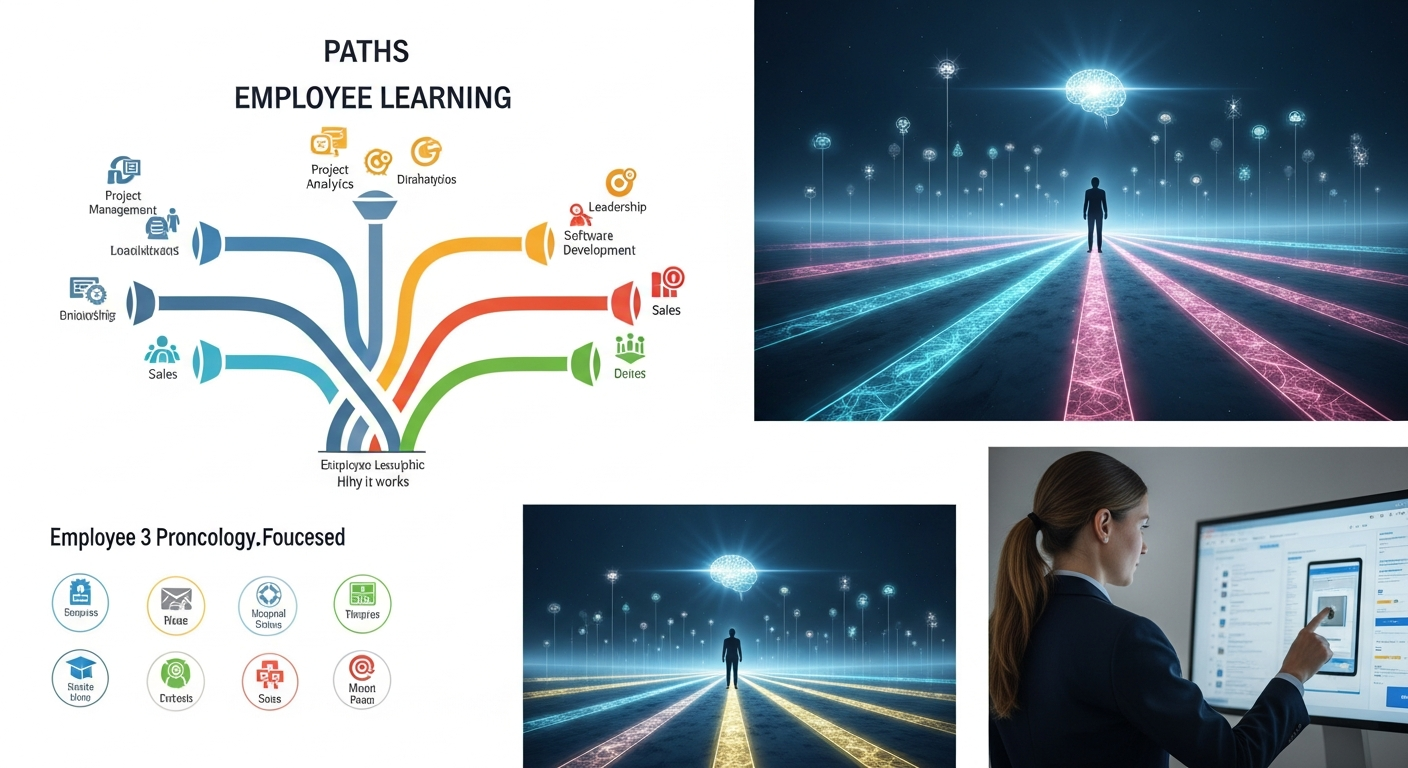
Personalized Learning Paths For Employees: Charting a Course for Growth
In today's rapidly evolving business landscape, the adage "the only constant is change" has never rung truer. Industries are transforming at an unprecedented pace, demanding that employees continuously adapt, acquire new skills, and deepen their expertise. For organizations, the traditional one-size-fits-all approach to corporate training is becoming increasingly obsolete, failing to meet the diverse needs and aspirations of a modern workforce. Enter personalized learning paths – a revolutionary approach that promises to unlock individual potential, boost engagement, and drive unparalleled organizational growth.
Personalized learning paths (PLPs) represent a fundamental shift from generic training modules to bespoke educational journeys. By tailoring learning experiences to an individual's unique role, existing skill set, career goals, and preferred learning style, companies can ensure that every minute spent on development is impactful and relevant. This article will delve into the critical importance of personalized learning, explore its key components, discuss the technological enablers, and provide best practices for successful implementation, ultimately charting a course for a more skilled, engaged, and future-ready workforce.
What Exactly Are Personalized Learning Paths?
At its core, a personalized learning path is a customized educational roadmap designed for an individual employee. Unlike a standard training program where all participants consume the same content in the same sequence, a PLP adapts to the learner. It considers their current proficiencies, identifies specific skill gaps, aligns with their professional development objectives, and even takes into account how they best absorb information (e.g., visual, auditory, kinesthetic).
This approach moves away from a "broadcast" model of learning to a "conversation" model, where the learning system interacts with the employee to provide the most pertinent and timely content. It acknowledges that employees are not homogenous learners but individuals with distinct starting points and different destinations in mind. The goal is to make learning highly relevant, efficient, and engaging, transforming a potentially tedious requirement into an empowering growth opportunity.
The Imperative for Personalization in Corporate Learning
The business case for adopting personalized learning paths is compelling, addressing several critical challenges faced by organizations today:
Boosting Employee Engagement and Retention
- Relevance Drives Motivation: Employees are more likely to invest time and effort in learning when they perceive its direct relevance to their job performance and career advancement. Personalized content eliminates wasted effort on already mastered topics or irrelevant subjects.
- Ownership and Empowerment: PLPs give employees a sense of agency over their development, fostering intrinsic motivation and commitment. This empowerment directly contributes to higher job satisfaction and, consequently, better retention rates.
Rapid Skill Development and Upskilling
- Closing Skill Gaps Efficiently: In fast-evolving industries, critical skill gaps can emerge quickly. PLPs enable organizations to target specific deficiencies for individual employees, accelerating their upskilling and reskilling efforts. This is crucial for maintaining competitive advantage and navigating technological shifts.
- Future-Proofing the Workforce: By continuously developing relevant skills tailored to emerging industry needs, companies can future-proof their workforce against obsolescence and ensure they have the talent required for tomorrow's challenges.
Improved Performance and Productivity
- Direct Application to Work: When training directly addresses an employee's daily tasks and long-term goals, the knowledge acquired is more readily applied to their work, leading to immediate improvements in performance and productivity.
- Reduced Time-to-Competency: By focusing only on what's needed, personalized learning significantly reduces the time it takes for an employee to become proficient in a new skill or role.
Fostering a Culture of Continuous Learning
Personalized learning paths embed the idea that learning is an ongoing journey, not a one-time event. They encourage a growth mindset within the organization, where continuous self-improvement is valued and supported, creating a vibrant learning culture that benefits everyone.
Key Components of an Effective Personalized Learning Path
Building a successful personalized learning program requires thoughtful design and a strategic approach. Here are the essential components:
1. Robust Initial Assessment
The foundation of any PLP is a comprehensive understanding of the learner. This involves:
- Skills Gap Analysis: Identifying current competencies versus required skills for a role or future growth.
- Learning Style & Preferences: Understanding how an individual best learns (e.g., video, text, interactive simulations, practical exercises).
- Career Aspirations: Aligning learning with an employee's personal career goals to enhance motivation.
2. Dynamic Content Curation and Delivery
The learning content must be diverse, relevant, and readily accessible. This often means drawing from a rich library of resources, which can include:
- Micro-modules and bite-sized lessons
- Interactive simulations and gamified experiences
- Mentorship and coaching sessions
- Online courses, articles, videos, and podcasts
- Workshops and instructor-led training
3. Feedback Loops and Iteration
A PLP isn't static. It evolves with the learner. Continuous feedback mechanisms – through quizzes, performance reviews, peer feedback, and self-assessment – allow the path to be adjusted in real-time, ensuring it remains challenging yet achievable.
Leveraging Technology for Personalized Learning Paths
The sophistication of personalized learning wouldn't be possible without advanced technological platforms. These tools are the backbone, enabling the assessment, delivery, and adaptation of learning experiences at scale.
Learning Management Systems (LMS)
A robust Gamified LMS is crucial for administering, tracking, and reporting on personalized learning paths. Modern LMS platforms offer functionalities to assign specific courses, monitor progress, and provide a centralized hub for all learning resources.
AI and Machine Learning
Artificial Intelligence is a game-changer for personalization. AI algorithms can analyze learner data to recommend highly relevant content, predict potential skill gaps, and power Adaptive Learning systems that adjust the difficulty and type of content based on real-time performance. This ensures that the learning experience is continuously optimized for effectiveness.
Microlearning Platforms
Given the busy schedules of modern employees, MaxLearn Microlearning Platform provides short, focused bursts of content that can be consumed on demand. This approach aligns perfectly with personalized learning, as it allows employees to quickly target specific knowledge gaps or refresh skills without significant time commitment.
AI-Powered Authoring Tools
Creating high-quality, relevant content for diverse learning paths can be resource-intensive. An AI Powered Authoring Tool can dramatically streamline this process, helping instructional designers create engaging and effective learning modules more efficiently, ensuring a constant supply of fresh, personalized content.
Implementing Personalized Learning Paths: Best Practices
To successfully integrate personalized learning paths into your organization, consider these best practices:
- Define Clear Objectives: Before building any path, clearly articulate the desired learning outcomes and how they align with business goals. What specific skills do you need to develop?
- Involve Employees in the Process: Engage employees in defining their learning goals and preferences. Their input is invaluable for creating paths that resonate and motivate.
- Integrate with Performance Management: Link learning progress directly to performance reviews and career development plans. This reinforces the value of continuous learning.
- Foster a Supportive Learning Culture: Leadership buy-in and a company culture that champions learning, provides dedicated time for development, and celebrates achievements are critical.
- Measure and Iterate: Continuously track progress, gather feedback, and analyze the impact of PLPs on individual and organizational performance. Be prepared to adapt and refine paths based on data.
- Address Critical Areas: Don't overlook specialized needs such as Risk-focused Training, which can be highly effective when personalized to specific roles and potential exposures.
Conclusion
Personalized learning paths are no longer a futuristic concept but a present-day necessity for organizations aiming to thrive in a dynamic global economy. By embracing this tailored approach to employee development, companies can cultivate a highly engaged, continuously upskilled, and profoundly productive workforce. The investment in personalization yields significant returns, from increased employee satisfaction and retention to improved performance, innovation, and ultimately, sustained business growth. As the workplace continues to evolve, empowering employees to chart their own course for learning will be the compass guiding organizations toward a successful and sustainable future.
.jpg)


