

Conquering the Knowledge Drain: Leveraging the Curve of Forgetting for Enterprise L&D
In today's fast-paced corporate world, where information overload is the norm and skill gaps can emerge overnight, the ability to retain critical knowledge is paramount. From the meticulous compliance requirements in Finance and Insurance to the rigorous safety protocols in Mining and Oil & Gas, and the life-saving procedures in Healthcare and Pharma, effective learning and knowledge retention are not just beneficial – they are essential for success and risk mitigation. Yet, a fundamental challenge persists: the human brain's natural tendency to forget. This is where the "Curve of Forgetting," a concept pioneered over a century ago, offers profound insights and powerful solutions for modern Learning & Development (L&D) strategies.
Understanding the Curve of Forgetting: A Timeless Truth
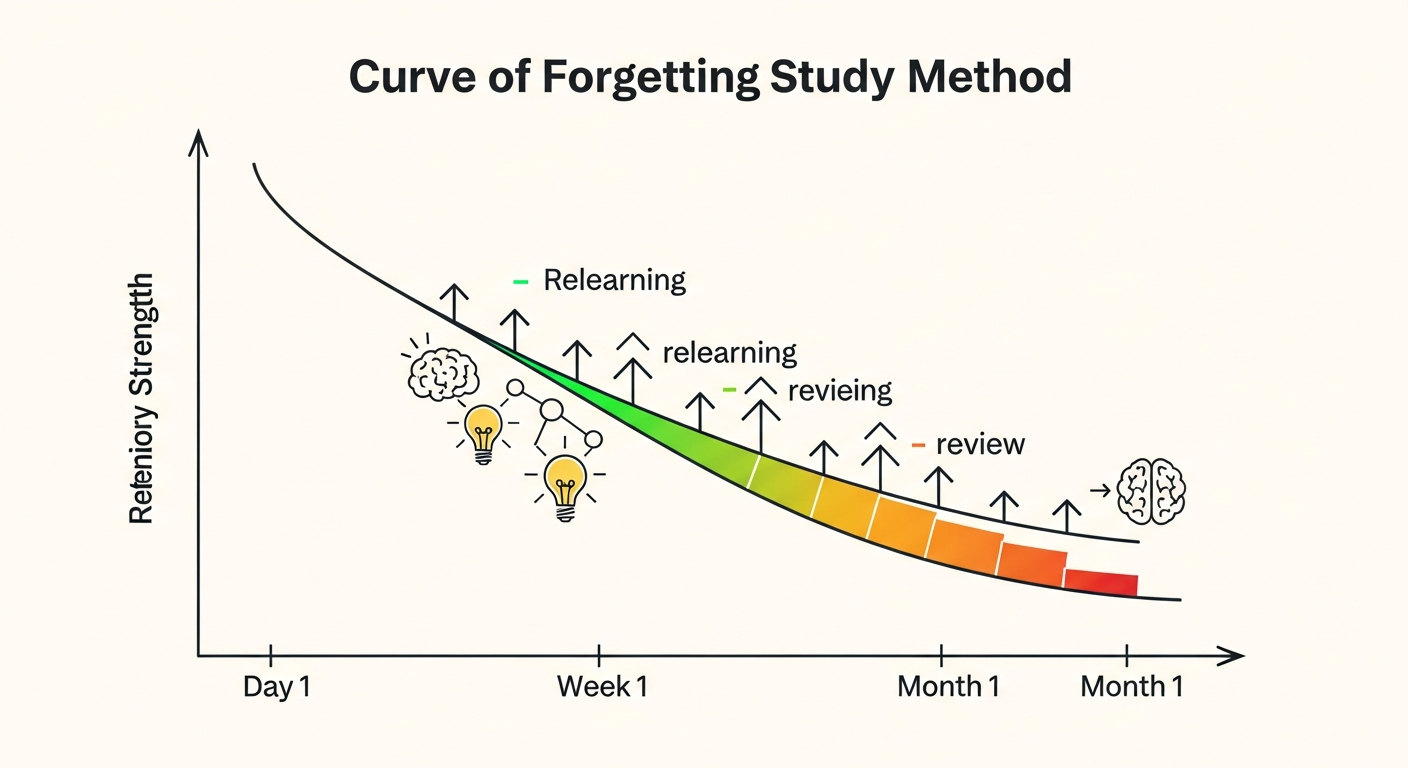
At its core, the Curve of Forgetting illustrates the rate at which newly acquired information is lost over time if there's no attempt to retain it. It’s a natural cognitive process, but one that can be actively combated with strategic intervention.
The Science Behind It
In 1885, German psychologist Hermann Ebbinghaus conducted groundbreaking experiments on memory, revealing a predictable pattern:
- Rapid Initial Decline: Immediately after learning something new, a significant portion of that information is forgotten very quickly – often within hours or days.
- Gradual Subsequent Decay: The rate of forgetting then slows down, but the decline continues over time, meaning that without reinforcement, most of what was initially learned will eventually fade.
Why the Curve is Critical for Modern Industries
The implications of the forgetting curve are far-reaching across diverse sectors:
- Insurance & Finance: Employees must maintain up-to-date knowledge on complex products, evolving regulatory frameworks (e.g., KYC, AML), and risk assessment methodologies. Forgetting leads to errors, non-compliance, and financial penalties.
- Retail & Banking: Product knowledge, customer service excellence, and fraud detection techniques are crucial. A lapse in memory can result in lost sales, poor customer experience, or security breaches.
- Mining & Oil and Gas: Safety procedures, operational protocols, and emergency response training are literally life-saving. Forgetting even minor details can have catastrophic consequences.
- Healthcare & Pharma: Clinicians and pharmaceutical professionals need to remember vast amounts of information on diagnoses, treatment protocols, drug interactions, and patient safety guidelines. Memory lapses can endanger lives and compromise patient care.
In all these fields, knowledge is power, and forgetting is a weakness that savvy L&D professionals must address head-on.
Leveraging the Curve: Strategies for Effective Knowledge Retention
The good news is that Ebbinghaus also showed how to flatten the forgetting curve. By strategically re-engaging with information, we can significantly improve retention. Here’s how leading organizations are applying these principles:
Spaced Repetition
This is the cornerstone of combating the forgetting curve. Instead of cramming, information is reviewed at increasing intervals over time. Each review reinforces the memory, pushing the forgetting curve flatter and making the knowledge stick longer. Think of it as exercising a muscle – consistent, spaced workouts yield better, more lasting results than intense, sporadic bursts.
Active Recall
Instead of passively re-reading material, active recall involves retrieving information from memory. This could be through quizzes, self-testing, flashcards, or explaining concepts to others. The effort involved in active recall strengthens neural pathways, making the memory more robust and less susceptible to decay.
Microlearning
Breaking down complex topics into bite-sized, focused learning modules makes spaced repetition and active recall much more manageable. MaxLearn Microlearning Platform excels in delivering targeted, digestible content that fits into an employee's busy schedule, making continuous learning a practical reality.
Personalization and Adaptivity
Not all employees learn at the same pace or have the same knowledge gaps. An effective system accounts for individual needs. Adaptive Learning tailors content and review schedules based on an individual's performance and knowledge level, ensuring that interventions are timely and relevant, thereby maximizing the impact of each learning interaction.
Engaging Content
Dull, static content is easily forgotten. Integrating elements of gamification can transform learning into an engaging and motivating experience. A Gamified LMS uses points, badges, leaderboards, and challenges to encourage participation, reinforce learning, and foster healthy competition, making knowledge retention an enjoyable pursuit.
Intelligent Systems and the Forgetting Curve
The advent of artificial intelligence (AI) has revolutionized how L&D professionals can tackle the forgetting curve. AI-powered tools can analyze vast amounts of data to predict when an individual is likely to forget specific information, enabling proactive intervention.
Addressing Key Challenges with Intelligent Systems
How can modern enterprises ensure their global workforce retains critical information effectively across diverse operational contexts? AI-driven platforms can identify knowledge decay patterns specific to different regions, departments, or job roles and automatically schedule timely refreshers. This ensures that a healthcare professional in one region receives relevant updates on new drug protocols, while an oil and gas engineer in another gets reminders on advanced safety procedures, all tailored to their unique requirements.
What's the most effective way to tailor learning experiences for individual employees, considering their unique roles and existing knowledge within a specific business unit or location? Intelligent algorithms assess individual learning paces, prior knowledge, and performance data. This allows for the delivery of customized content and review schedules that adapt in real-time, ensuring that each employee's learning journey is optimized for maximum retention and skill development, whether they're in a retail branch or a mining site.
How can organizations intelligently optimize their learning programs to achieve measurable improvements in performance and compliance? Implement analytics-driven platforms that not only track completion but also analyze skill application post-training. By using these insights to refine content and delivery methods continuously, organizations can ensure that their training directly contributes to better operational outcomes, reduced risks, and stronger adherence to regulatory standards. This is particularly vital for Risk-focused Training in highly regulated sectors.
An AI Powered Authoring Tool further enhances this by rapidly generating, updating, and personalizing learning content, ensuring that material is always fresh, relevant, and engaging, drastically reducing the effort required to maintain a dynamic learning ecosystem.
The MaxLearn Advantage: Building a Future of Retention
Combating the curve of forgetting is no longer a theoretical exercise but a strategic imperative. MaxLearn understands this challenge intimately and provides a suite of solutions designed to transform enterprise learning. Through its MaxLearn Microlearning Platform, organizations can deploy engaging, bite-sized content reinforced by principles of spaced repetition and active recall. Coupled with a Gamified LMS for enhanced engagement, Adaptive Learning pathways for personalized experiences, and an AI Powered Authoring Tool for dynamic content creation, MaxLearn empowers L&D teams to build truly resilient knowledge bases. For industries where the stakes are high, such as those requiring Risk-focused Training, this integrated approach is invaluable.
Conclusion
The Curve of Forgetting is a persistent antagonist in the quest for effective corporate learning. However, by embracing time-tested psychological principles like spaced repetition and active recall, and augmenting them with cutting-edge AI-driven technologies, organizations can not only flatten this curve but potentially reverse its effects. Investing in intelligent, adaptive, and engaging L&D solutions is not merely an expense; it’s an investment in sustainable knowledge, enhanced performance, and enduring success across every industry.
.jpg)


