

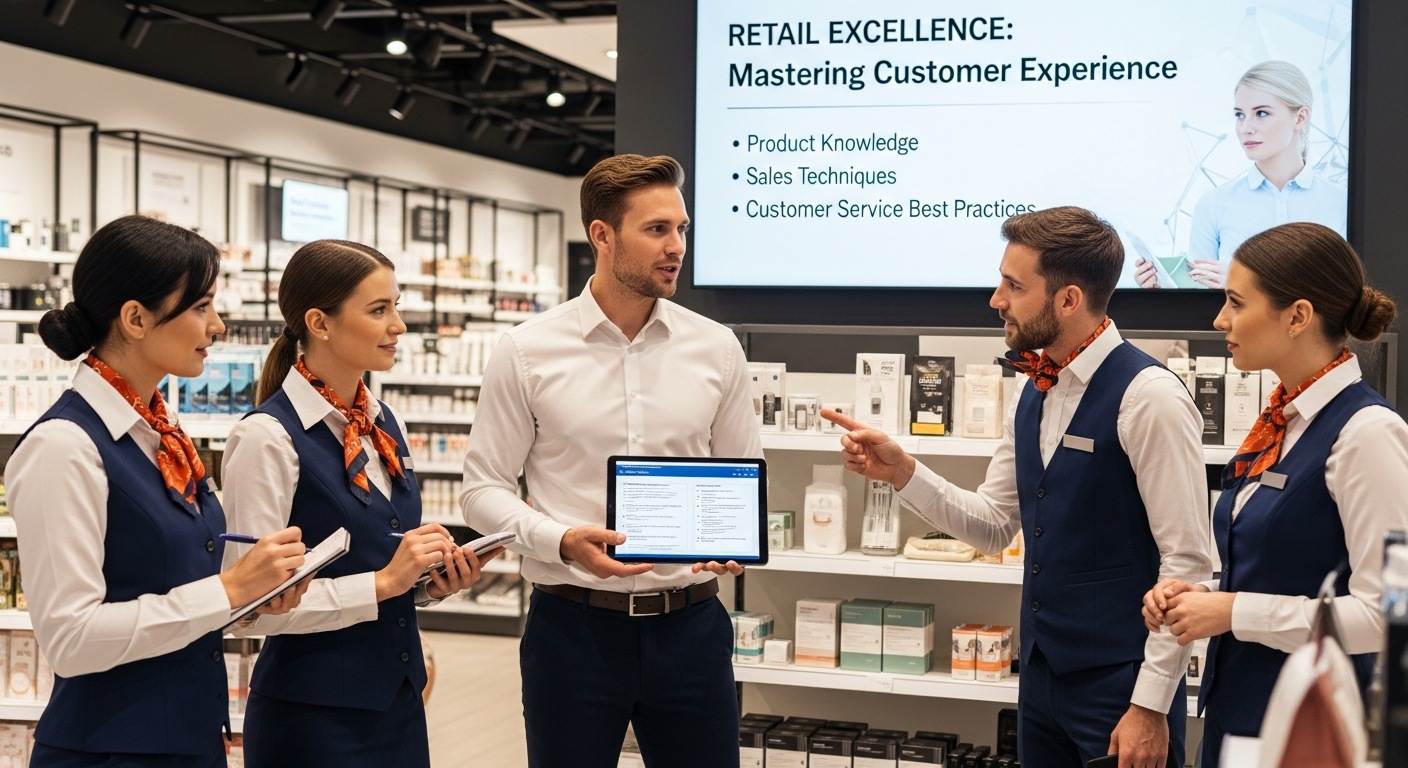
Retail Store Staff Training: Empowering Your Frontline for Success
In the dynamic world of retail, the storefront is your brand's face, and your staff are its ambassadors. From the moment a customer steps into your store to the final purchase, every interaction shapes their perception and influences their decision. This is precisely why robust retail store staff training isn't just an expense; it's a critical investment in your business's future. Effective training transforms employees from mere order-takers into knowledgeable consultants, skilled salespeople, and loyal brand advocates.
The retail landscape is constantly evolving, driven by technological advancements, shifting consumer expectations, and increased competition. To thrive, retailers must equip their teams with the skills, confidence, and knowledge needed to navigate these changes and deliver exceptional experiences consistently. Let's delve into why comprehensive staff training is paramount and how to build a program that genuinely empowers your frontline for unparalleled success.
Why Retail Staff Training is Non-Negotiable
Investing in your staff's development yields a multitude of benefits that directly impact your bottom line and brand reputation.
Enhanced Customer Experience:
Well-trained staff are confident, knowledgeable, and empathetic. They can answer questions accurately, offer personalized recommendations, and resolve issues efficiently, leading to higher customer satisfaction and loyalty.Increased Sales and Revenue:
Employees skilled in product knowledge, sales techniques, and objection handling are more effective at closing sales, upselling, and cross-selling, directly contributing to revenue growth.Improved Employee Retention:
Showing a commitment to employee development fosters a sense of value and opportunity. Staff are more likely to stay with a company that invests in their growth, reducing costly turnover.Brand Consistency:
Training ensures that every employee understands and embodies your brand's values, mission, and service standards, creating a consistent and positive customer experience across all touchpoints.Adaptability to Change:
A well-trained team is more agile, capable of quickly learning new products, adapting to new technologies (like updated POS systems), and embracing new store policies or merchandising strategies.
Key Components of an Effective Retail Training Program
A holistic training program covers various aspects crucial for a retail employee's role:
Product Knowledge
This is the bedrock of retail success. Staff must deeply understand every product they sell – not just features, but benefits, use cases, potential issues, and how it compares to competitors. This knowledge empowers them to confidently answer customer questions, make informed recommendations, and highlight unique selling propositions, turning browsers into buyers.
Sales Techniques and Customer Service
Beyond product facts, employees need to master the art of selling and serving. This includes active listening, understanding customer needs, effective communication, handling objections gracefully, suggestive selling (upselling and cross-selling), and processing transactions smoothly. Exceptional customer service builds rapport, fosters trust, and encourages repeat business.
Store Operations and Procedures
Efficient store operations are vital for a seamless customer experience. Training should cover point-of-sale (POS) systems, inventory management basics, merchandising standards, opening and closing procedures, security protocols, health and safety regulations, and handling returns and exchanges. Competence in these areas ensures smooth daily operations and reduces errors.
Brand Values and Culture
Every employee should understand and embody the company's mission, vision, and core values. This training helps staff internalize the brand's identity, communicate its unique selling points, and deliver service that aligns with the brand's promise, fostering a unified and authentic customer experience.
Conflict Resolution and De-escalation
Inevitably, retail staff will encounter difficult customers or challenging situations. Training in conflict resolution, de-escalation techniques, and problem-solving skills equips them to handle these moments professionally, turning potentially negative experiences into opportunities to demonstrate excellent service and preserve customer loyalty.
Modern Approaches to Retail Training
Traditional, lengthy classroom sessions are no longer sufficient for the fast-paced retail environment. Modern training leverages technology and innovative methodologies to maximize engagement and retention.
Microlearning:
One powerful method gaining traction is microlearning, where information is delivered in bite-sized, digestible modules (2-5 minutes). This approach caters to busy retail schedules and improves knowledge retention by focusing on one concept at a time. Platforms like MaxLearn Microlearning Platform specialize in creating engaging, efficient learning experiences that fit seamlessly into an employee's day.Gamification:
To boost engagement and retention, many retailers are turning to gamification. Incorporating elements like points, badges, leaderboards, and challenges into training makes learning fun and competitive. A Gamified LMS can transform training into an interactive game, motivating employees to complete modules and master new skills.Adaptive Learning:
No two employees learn at the same pace or in the same way. That's where Adaptive Learning comes in, tailoring the training content and pace to individual needs and knowledge gaps. This personalized approach ensures efficiency by focusing on what each learner needs most, rather than wasting time on already mastered topics.AI-Powered Tools:
Creating effective training content can be time-consuming. Fortunately, an AI Powered Authoring Tool can significantly streamline this process by generating and optimizing training materials, quizzes, and simulations, allowing businesses to create high-quality, up-to-date content faster and more efficiently.Risk-focused Training:
Beyond general skills, proactive retailers also invest in Risk-focused Training to prepare staff for potential challenges such as fraud prevention, handling difficult customer complaints, or emergency procedures. This specialized training minimizes potential liabilities and enhances operational resilience.
Implementing a Successful Training Program
Creating an impactful training program involves several strategic steps:
- Needs Assessment: Identify specific skill gaps, new product requirements, or areas for improvement through surveys, performance reviews, and direct observation.
- Design the Curriculum: Develop clear learning objectives for each module. Choose appropriate training methods (e.g., e-learning, workshops, on-the-job training, simulations).
- Choose the Right Tools: Invest in an appropriate Learning Management System (LMS) that supports modern training methodologies like microlearning, gamification, and adaptive paths.
- Continuous Learning & Reinforcement: Training shouldn't be a one-off event. Implement ongoing refresher courses, regular check-ins, and opportunities for continuous learning to reinforce knowledge and introduce new concepts.
- Measure ROI: Track key metrics such as sales figures, customer satisfaction scores (CSAT), employee turnover rates, and average transaction value (ATV) to assess the effectiveness and return on investment of your training initiatives.
The Future of Retail Staff Training
The trajectory of retail training points towards even more personalized, on-demand, and technology-driven solutions. Virtual reality (VR) and augmented reality (AR) are poised to offer immersive training experiences for complex tasks or product demonstrations. The focus will increasingly shift from just "what to do" to "how to think," emphasizing critical thinking, problem-solving, and emotional intelligence to create truly empathetic and adaptable retail professionals.
Conclusion
In the competitive retail world, your staff are your greatest asset. Investing in their continuous development through a well-structured, modern training program is not merely about ticking boxes; it's about building a formidable team that drives sales, enhances customer loyalty, and champions your brand. Empowered employees are engaged employees, and engaged employees are the bedrock of retail success. Start optimizing your retail store staff training today and watch your business flourish.
.jpg)


