

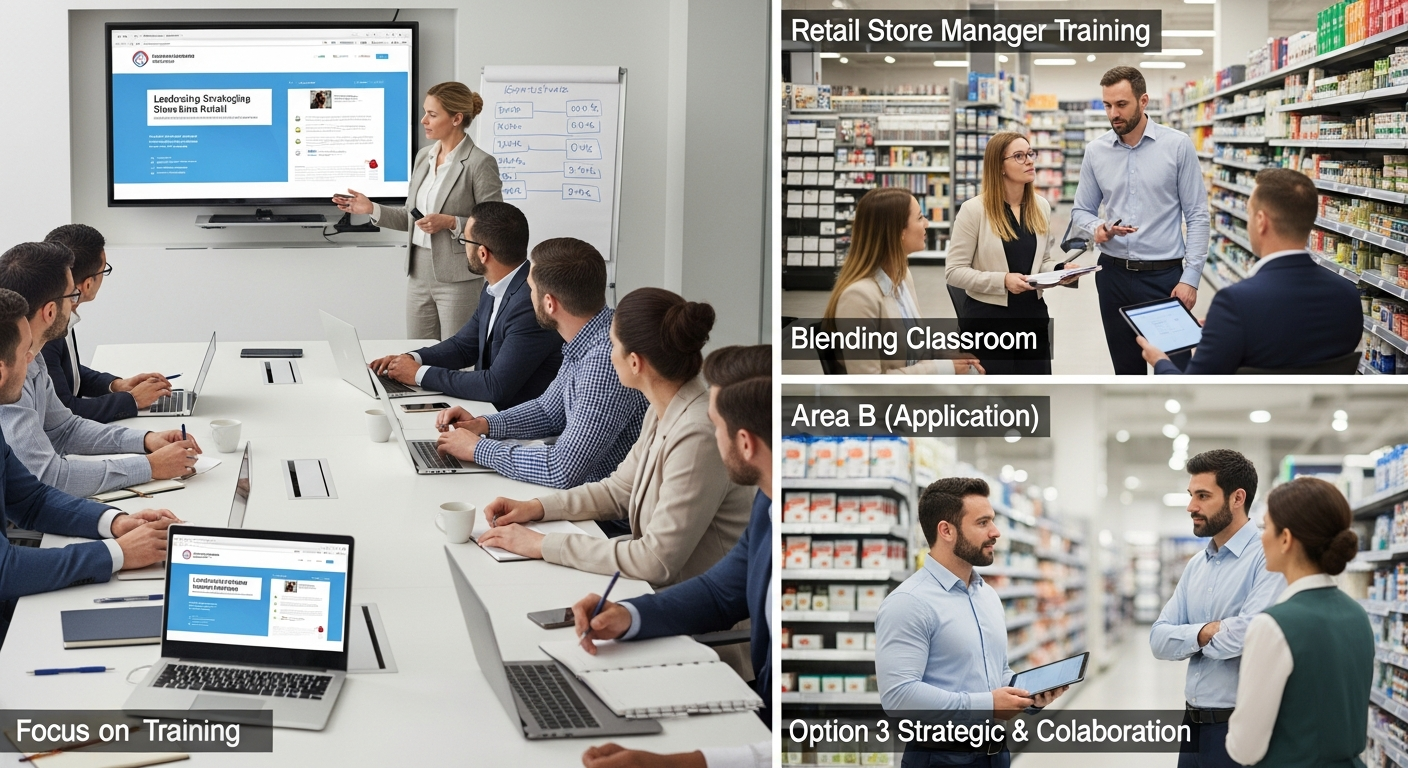
Unlocking Retail Excellence: The Essential Guide to Retail Store Manager Training
In the dynamic world of retail, the store manager isn't just a supervisor; they are the linchpin connecting corporate strategy with on-the-ground execution. They are leaders, mentors, sales drivers, problem-solvers, and brand ambassadors all rolled into one. Given the multifaceted nature of their role, effective retail store manager training is not merely an option but a critical investment for any retail business aiming for sustained success, profitability, and customer loyalty. This article delves into why comprehensive manager training is crucial, what key components it should cover, and how modern learning methodologies can revolutionize its delivery.
Why Retail Store Manager Training is Crucial for Business Success
The impact of a well-trained retail store manager reverberates across every aspect of a business. Their influence directly affects sales, customer satisfaction, employee retention, and overall operational health. Investing in robust training programs yields significant returns.
Boosting Sales and Profitability
Managers are directly responsible for achieving sales targets. Training equips them with advanced sales techniques, merchandising strategies, and promotional planning skills. A manager who understands how to analyze sales data, optimize product placement, and motivate their team to upsell and cross-sell can significantly drive revenue and improve the store's bottom line. They learn to identify opportunities, mitigate challenges, and implement localized strategies that resonate with their specific customer base, translating directly into increased profitability.
Enhancing Customer Experience
The customer experience in a retail store is a direct reflection of its management. A well-trained manager ensures high service standards, resolves customer complaints effectively, and fosters an environment where customer satisfaction is paramount. Training can cover conflict resolution, personalization techniques, and understanding customer psychology, empowering managers to cultivate loyalty and turn one-time shoppers into repeat customers. Excellent customer service, led by a capable manager, differentiates a brand in a competitive market.
Improving Employee Retention and Morale
High employee turnover is a costly problem in retail. Managers play a pivotal role in creating a positive work environment, mentoring staff, and fostering a sense of team cohesion. Training in leadership, communication, performance management, and conflict resolution provides managers with the tools to inspire, motivate, and retain their best employees. Engaged and supported employees are more productive, provide better service, and are less likely to seek opportunities elsewhere, saving the company significant recruitment and training costs.
Ensuring Operational Efficiency
From inventory management and scheduling to compliance with health and safety regulations, operational efficiency is key to a smooth-running store. Training programs provide managers with the knowledge to streamline processes, reduce waste, and manage resources effectively. This includes understanding the nuances of supply chain management, optimizing staffing levels, and maintaining store standards, all of which contribute to a more productive and cost-effective operation.
Adapting to Market Changes and Challenges
The retail landscape is constantly evolving, with new technologies, consumer trends, and economic shifts. A trained manager is better equipped to adapt to these changes, implement new strategies, and lead their team through periods of uncertainty. They learn to be proactive rather than reactive, positioning the store to thrive amidst disruption and stay ahead of the curve.
Key Components of an Effective Retail Store Manager Training Program
A comprehensive training program for retail store managers should address a broad spectrum of skills and knowledge areas essential for success.
Leadership and People Management
- Coaching and Mentoring: Developing staff potential, providing constructive feedback.
- Performance Management: Setting goals, conducting reviews, addressing underperformance.
- Team Building: Fostering collaboration, resolving interpersonal conflicts.
- Hiring and Onboarding: Effective recruitment practices and seamless integration of new hires.
- Delegation: Empowering employees and managing workload efficiently.
Sales and Merchandising Strategies
- Advanced Sales Techniques: Upselling, cross-selling, consultative selling.
- Visual Merchandising: Creating appealing displays, optimizing store layout.
- Product Knowledge: In-depth understanding of inventory and features.
- Promotional Planning: Executing marketing campaigns and in-store promotions.
Operational Excellence
- Inventory Management: Stock control, ordering, loss prevention.
- Scheduling and Workforce Management: Optimizing staffing levels for peak periods.
- Store Maintenance and Safety: Ensuring a safe and clean environment, compliance with regulations.
- Point-of-Sale (POS) Systems: Efficient transaction processing and troubleshooting.
Financial Management and KPI Analysis
- Budgeting and Expense Control: Managing store financials, reducing costs.
- Profit & Loss (P&L) Statement Interpretation: Understanding financial performance.
- Key Performance Indicator (KPI) Analysis: Using data to drive decisions and improve performance.
- Loss Prevention: Strategies to minimize theft and operational shrinkage.
Loss Prevention and Risk Management
- Security Procedures: Implementing protocols to prevent theft and ensure safety.
- Compliance: Adhering to legal and company policies.
- Emergency Preparedness: Training for various crisis scenarios.
Technology Integration and Digital Tools
- E-commerce Integration: Understanding omnichannel retail, managing click-and-collect.
- CRM Systems: Utilizing customer data to enhance service and personalize experiences.
- Analytics Tools: Interpreting data from various platforms to inform decisions.
Modern Approaches to Retail Manager Training
The way training is delivered is just as important as its content. Traditional, long-form classroom sessions often fall short in today's fast-paced retail environment. Modern training leverages technology and engaging methodologies to maximize effectiveness and retention.
Microlearning
Breaking down complex topics into small, digestible modules is ideal for busy retail managers who need to learn on the go. Microlearning modules can be completed in minutes, making it easier for managers to fit training into their demanding schedules. Platforms like MaxLearn Microlearning Platform excel in delivering this content, ensuring high engagement and knowledge retention through focused, relevant lessons.
Gamification
Integrating game-like elements into training makes learning more interactive, fun, and competitive. Quizzes, points, leaderboards, and badges motivate managers to complete modules and apply their learning in real-world scenarios. A Gamified LMS transforms routine training into an engaging experience, fostering better engagement and recall, crucial for managers needing to absorb and apply a vast amount of information quickly.
Adaptive Learning
Not all managers learn at the same pace or have the same skill gaps. Modern solutions embrace Adaptive Learning principles, tailoring the training content and pace to individual needs. This personalized approach ensures managers focus on areas where they need the most development, optimizing their learning journey and making training more efficient and impactful.
AI-Powered Tools
Artificial intelligence can revolutionize training delivery and content creation. An AI Powered Authoring Tool can dramatically streamline the creation and update of training materials, ensuring content remains current and relevant. AI can also provide personalized recommendations for learning paths, analyze manager performance to identify skill gaps, and even offer virtual coaching, making training more dynamic and responsive to individual and organizational needs.
Risk-focused Training
In retail, understanding and mitigating risks is paramount. This also extends to specialized Risk-focused Training, which educates managers on identifying potential threats—be it operational, financial, or security-related—and developing strategies to proactively address them. This ensures compliance, protects assets, and builds a more resilient store environment.
Implementing and Measuring Training Success
Effective training doesn't end when the modules are completed. It requires ongoing support and measurement.
- Continuous Learning: Training should be an ongoing process, not a one-time event. Regular refresher courses, updates on new policies, and opportunities for advanced development keep managers sharp.
- Performance Metrics: Track key performance indicators (KPIs) such as sales growth, customer satisfaction scores, employee turnover rates, and operational efficiency improvements before and after training to quantify its impact.
- Feedback and Iteration: Gather feedback from managers and their teams about the training program. Use this input to refine and improve the content and delivery methods continually.
- On-the-Job Coaching: Supplement formal training with practical, real-world coaching and mentorship from senior leaders to reinforce learning and ensure application.
Conclusion
Retail store managers are the heart of any successful retail operation. Their ability to lead, motivate, manage, and adapt directly influences a store's performance, customer loyalty, and employee satisfaction. Investing in comprehensive, modern retail store manager training is an investment in the future of your brand. By equipping these vital leaders with the right skills and knowledge through engaging, adaptive, and technology-driven learning solutions, retail businesses can unlock unprecedented levels of excellence, foster a thriving work environment, and ensure sustained growth in an ever-evolving market.
.jpg)


