

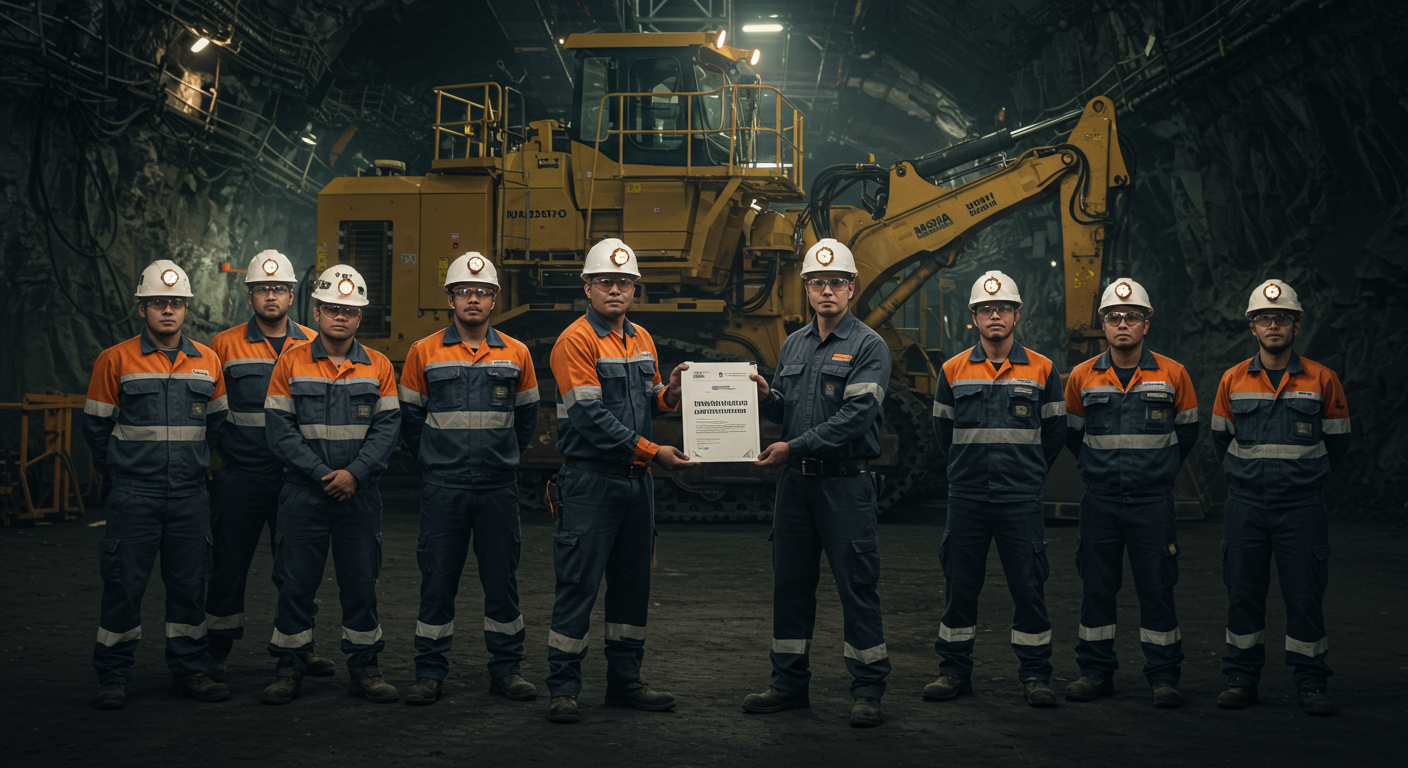
MSHA Mining Certification: Ensuring Safety and Compliance in the Mining Industry
The mining industry, a cornerstone of global infrastructure and technological advancement, is inherently fraught with risks. From subterranean depths to vast open pits, the extraction of valuable resources demands meticulous attention to safety. This is where the Mine Safety and Health Administration (MSHA) steps in, acting as the primary federal agency responsible for regulating and enforcing safety and health standards in U.S. mines. At the heart of MSHA's mission lies MSHA mining certification – a critical component designed to equip miners and other personnel with the knowledge and skills necessary to operate safely and minimize hazards.
MSHA certification isn't merely a bureaucratic hoop; it's a lifeline. It represents a commitment to protecting lives, preventing injuries, and fostering a culture of safety that permeates every level of a mining operation. This comprehensive guide will delve into the intricacies of MSHA mining certification, exploring its importance, requirements, types, and how modern training methodologies are revolutionizing compliance.
Understanding MSHA: The Guardian of Mining Safety
The Mine Safety and Health Administration (MSHA) was established under the Federal Mine Safety and Health Act of 1977. Its mandate is clear: to prevent death, illness, and injury from mining and to promote safe and healthful workplaces for U.S. miners. MSHA achieves this through various means, including developing and enforcing safety and health regulations, conducting mine inspections, investigating accidents, and providing training and technical assistance.
For anyone working in or around a mine, understanding MSHA's role is non-negotiable. Compliance with MSHA regulations is not optional; it is a legal requirement with significant consequences for non-adherence. MSHA certification is the tangible proof that an individual has undergone the necessary training to understand these regulations and apply safe work practices.
Who Needs MSHA Mining Certification?
The scope of MSHA certification is broad, covering virtually anyone who regularly works at a mine site. This includes:
- New Miners: Individuals who have never worked in a mine or have not completed MSHA-approved new miner training.
- Experienced Miners: Even those with years of experience must undergo annual refresher training to maintain their certification and stay updated on best practices and regulatory changes.
- Contractors: Any contractor or consultant performing work at a mine site, whether providing services or operating equipment, must comply with MSHA training requirements relevant to their tasks.
- Supervisors and Management: Those in leadership roles are not only required to be certified themselves but also bear the responsibility of ensuring their teams are properly trained and adhere to safety protocols.
- Maintenance and Support Staff: Personnel involved in maintaining equipment, performing repairs, or providing other support services at a mine site.
In essence, if you are regularly exposed to mining hazards, MSHA certification is a requirement designed to protect you and those around you.
Types of MSHA Certifications: Part 46 vs. Part 48
MSHA regulations divide mines into different categories, each with specific training requirements. The two primary categories for training are outlined in 30 CFR Part 46 and 30 CFR Part 48:
30 CFR Part 46: Surface Miner Training
Part 46 applies primarily to surface mining operations for stone, sand, gravel, cement, clay, colloidal phosphate, and other non-metal/non-coal mines. It is generally considered less stringent than Part 48, reflecting the differing risk profiles of surface operations. Key requirements include:
- New Miner Training: A minimum of 24 hours of training, covering topics like hazard recognition, statutory rights of miners, emergency procedures, first aid, and the use of self-rescue devices (if applicable).
- Annual Refresher Training: A minimum of 8 hours of training annually, to reinforce safety practices and update miners on new hazards, technologies, and regulations.
A crucial aspect of Part 46 is that mine operators have greater flexibility in developing and implementing their own training plans, provided they meet MSHA's criteria and are submitted for approval.
30 CFR Part 48: Underground and Surface Coal/Metal/Non-Metal Training
Part 48 applies to all underground mines (coal, metal, and non-metal) and all surface coal mines. Given the heightened risks associated with these environments, Part 48 requirements are more comprehensive and prescriptive. Key requirements include:
- New Miner Training: A minimum of 40 hours for underground miners, and 24 hours for surface coal miners, covering a vast array of topics from mine ventilation and roof control to electrical hazards, methane detection, and escapeways.
- Annual Refresher Training: Similar to Part 46, a minimum of 8 hours of annual training is required to keep skills sharp and knowledge current.
Part 48 training plans are typically more rigorously reviewed by MSHA, and specific curricula are often mandated by the agency.
The Certification Process and Essential Training Elements
Regardless of whether it's Part 46 or Part 48, the MSHA certification process generally involves:
- Initial Training: Completing the required hours of new miner training from an MSHA-approved instructor or training provider.
- Documentation: Maintaining meticulous records of all training received, including dates, topics, and instructor qualifications. These records are vital during MSHA inspections.
- Annual Refreshers: Participating in annual refresher training to keep the certification active.
Core elements covered in MSHA training typically include:
- Hazard recognition and avoidance
- Emergency response and evacuation procedures
- First aid and CPR
- Mine ventilation (underground)
- Roof, ground, and rib control
- Electrical safety
- Explosives safety (where applicable)
- Health hazards (e.g., dust, noise, chemicals)
- Miners' rights and responsibilities
- Use of personal protective equipment (PPE)
The Benefits of Robust MSHA Certification
Investing in comprehensive MSHA certification yields profound benefits for both individuals and the mining operations:
- Enhanced Safety: The most critical benefit is a reduction in accidents, injuries, and fatalities. Well-trained miners are better equipped to identify and mitigate risks.
- Legal Compliance: Avoidance of costly fines, penalties, and potential operational shutdowns due to MSHA violations.
- Improved Productivity: A safer workplace leads to fewer disruptions, higher morale, and ultimately, greater operational efficiency.
- Lower Insurance Premiums: A strong safety record and commitment to training can lead to reduced insurance costs.
- Stronger Safety Culture: Certification fosters a proactive safety mindset, transforming safety from a requirement into a shared value.
Leveraging Modern Training Solutions for MSHA Compliance
Traditional, lengthy classroom sessions can sometimes struggle with engagement and retention, especially for the critical, detailed information required by MSHA. Modern learning technologies offer powerful solutions to enhance MSHA compliance training:
- MaxLearn Microlearning Platform: Breaks down complex MSHA topics into bite-sized, digestible modules. This approach improves knowledge retention and makes training accessible anytime, anywhere, fitting into operational schedules without significant disruption.
- Gamified LMS: Incorporates game-like elements such as points, badges, and leaderboards to make MSHA training more interactive and engaging. This boosts motivation and knowledge recall, turning compliance into a more enjoyable and effective experience.
- Adaptive Learning: Tailors the MSHA training content to each miner's individual needs, strengths, and weaknesses. This ensures that miners receive personalized instruction, addressing specific knowledge gaps and making the learning process more efficient and effective.
- AI Powered Authoring Tool: Enables rapid development and updates of MSHA training content. This is crucial for staying current with evolving regulations, new technologies, and site-specific hazards, ensuring that training materials are always relevant and accurate.
- Risk-focused Training: Delivers targeted training that directly addresses the specific hazards present in a particular mine or job role. By focusing on the most relevant risks, miners gain practical, applicable knowledge that significantly improves their ability to work safely and prevent incidents.
These advanced tools not only ensure compliance but also elevate the overall quality and impact of safety training, leading to a more competent and secure workforce.
Consequences of Non-Compliance
The failure to comply with MSHA training and certification requirements can have severe repercussions. These include:
- Substantial monetary fines for both individuals and mining operations.
- Issuance of MSHA citations and orders, which can lead to production halts.
- Increased likelihood of accidents, injuries, and fatalities.
- Negative publicity and reputational damage for the mining company.
- Potential criminal charges in cases of gross negligence.
Conclusion
MSHA mining certification is more than just a regulatory obligation; it is a fundamental pillar of safety in one of the world's most demanding industries. It empowers miners with the knowledge to protect themselves and their colleagues, mitigates risks for mining operations, and reinforces the paramount importance of human life over profit. By embracing the rigorous standards set by MSHA and leveraging modern, engaging training solutions, the mining industry can continue to extract the resources we need while safeguarding the most valuable asset of all: its people. A commitment to continuous, high-quality MSHA training is not just good practice—it's essential for survival and success.
.jpg)


