

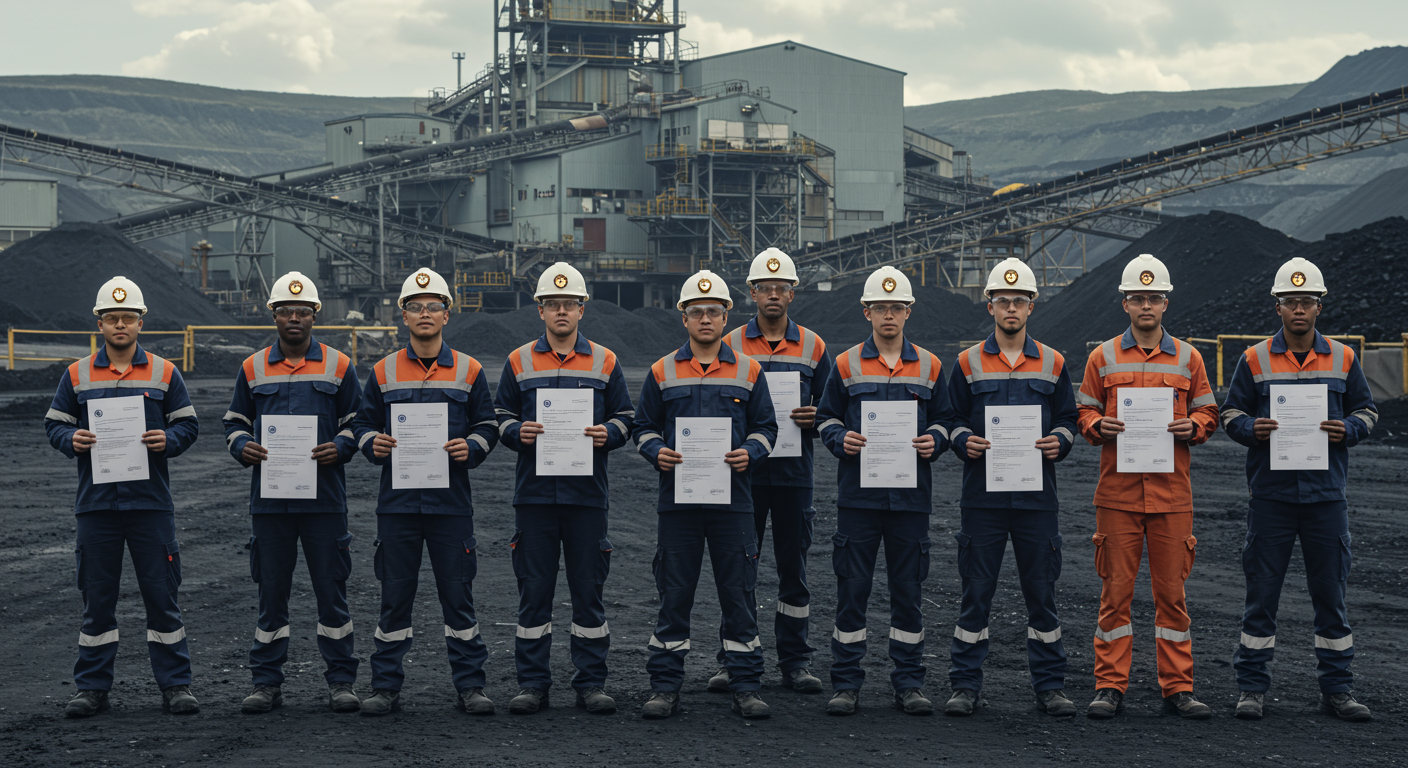
Mastering the Depths: The Essential Guide to Coal Mining Certification
The coal mining industry, a cornerstone of global energy production for centuries, operates under a demanding set of conditions. It's an environment where precision, expertise, and an unwavering commitment to safety are not just virtues but absolute necessities. Within this high-stakes landscape, one element stands paramount: Risk-focused Training and comprehensive certification. Coal mining certification isn't merely a piece of paper; it's a testament to an individual's readiness to perform critical tasks safely and effectively, safeguarding lives, protecting the environment, and ensuring the continuity of vital operations.
This article delves deep into the world of coal mining certification, exploring its fundamental importance, the various types available, the process of acquiring them, and how modern learning solutions are revolutionizing training delivery. Whether you're an aspiring miner, an experienced professional, or an industry stakeholder, understanding the nuances of certification is crucial for fostering a culture of excellence and safety in the mines.
Why Coal Mining Certification Matters
The significance of proper certification in coal mining cannot be overstated. It's a multi-faceted requirement that impacts every aspect of mining operations, from individual worker safety to global regulatory compliance and industry reputation.
Enhanced Safety Standards
Mining, by its very nature, involves inherent hazards. These can range from rockfalls and explosions to equipment malfunctions and respiratory illnesses caused by dust. Certification ensures that every worker, from the entry-level miner to the seasoned supervisor, possesses the knowledge and skills to identify, mitigate, and respond to these risks. Certified individuals are trained in emergency procedures, safe operating practices, hazard recognition, and the proper use of safety equipment, drastically reducing the potential for accidents and fatalities.
Legal and Regulatory Compliance
Coal mining is one of the most heavily regulated industries worldwide. Governments and regulatory bodies, such as the Mine Safety and Health Administration (MSHA) in the United States, mandate specific certifications for various roles. Non-compliance can lead to severe penalties, including hefty fines, operational shutdowns, and even criminal charges. Certification demonstrates that a mining operation adheres to these stringent legal requirements, maintaining its license to operate and its social responsibility.
Career Growth and Professional Development
For individuals, certification is a gateway to career advancement. It signifies competence, dedication, and a commitment to professional growth. Higher-level certifications open doors to supervisory roles, specialized positions, and increased earning potential. It’s an investment in one’s future within the industry, proving an individual’s capability to take on greater responsibilities and challenges.
Industry Trust and Reputation
A workforce that is comprehensively trained and certified builds trust – with regulators, investors, employees, and the public. It signals a commitment to operational excellence and ethical practices. Companies that prioritize robust certification programs enhance their reputation, attract top talent, and secure their standing as responsible industry leaders.
Types of Coal Mining Certifications
The array of certifications available in coal mining reflects the diverse roles and specialized skills required. These certifications often vary by region and specific regulatory bodies, but generally fall into several key categories:
Miner Certification (Entry-Level)
- Underground Miner Certification: Focuses on general mining principles, ventilation, roof support, haulage safety, electrical safety, first aid, and emergency response specific to subterranean environments.
- Surface Miner Certification: Covers safe operation of heavy equipment (trucks, excavators, dozers), blasting procedures, pit design, environmental regulations, and general safety protocols for surface operations.
Supervisor and Management Certifications
- Mine Foreman/Supervisor Certification: Requires extensive experience and knowledge of mining laws, safety management systems, accident investigation, leadership skills, and the ability to oversee complex operations and diverse teams.
- Mine Manager Certification: Focuses on strategic planning, financial management, environmental compliance, advanced safety protocols, and overall operational leadership.
Specialty Certifications
- Electrical Certification: For electricians working with high-voltage mining equipment, covering installation, maintenance, troubleshooting, and safety protocols unique to hazardous underground environments.
- Mechanical Certification: For mechanics maintaining and repairing heavy machinery, ensuring safe and efficient operation.
- Blaster Certification: Specific training and licensing for handling, transporting, and detonating explosives.
- Mine Rescue Certification: For highly trained teams specializing in emergency response, confined space rescue, first aid, and firefighting in mining incidents.
- Ventilation Technician Certification: Focuses on designing, monitoring, and maintaining mine ventilation systems to ensure air quality and control hazardous gases.
The Certification Process: A Journey of Learning
Acquiring coal mining certification typically involves a structured process designed to ensure thorough competency:
1. Eligibility Requirements
Candidates must meet specific age, educational, and sometimes experience prerequisites. For instance, many entry-level positions require a high school diploma or GED, while supervisory roles demand years of practical mining experience.
2. Comprehensive Training
This is the core of the certification process. Training can be delivered through various channels: classroom instruction, on-the-job training, simulations, and increasingly, digital learning platforms. The curriculum covers theoretical knowledge (regulations, geology, engineering principles) and practical skills (equipment operation, emergency drills).
3. Rigorous Examination
Following training, candidates must pass written and/or practical exams administered by regulatory bodies or certified institutions. These exams assess their understanding of safety protocols, operational procedures, and regulatory requirements.
4. Certification Issuance and Renewal
Upon successful completion, the certification is issued. Most certifications have an expiry date and require periodic renewal, which often involves refresher training and re-examination to ensure ongoing competency with evolving standards and technologies.
Challenges and Solutions in Certification Training
Traditional training methods for coal mining certification often face hurdles such as high costs, logistical complexities, engagement issues, and ensuring consistent knowledge retention across a diverse workforce. This is where innovative learning solutions come into play.
Modernizing Training with Digital Platforms
The advent of digital learning offers powerful solutions to these challenges, making certification training more accessible, effective, and engaging:
- MaxLearn Microlearning Platform: Platforms like MaxLearn are transforming how miners receive training. By breaking down complex topics into bite-sized, manageable modules, microlearning significantly improves retention and reduces training time without compromising depth. This approach is ideal for busy miners who need to learn critical information efficiently.
- Gamified LMS: Incorporating game-like elements into learning, such as points, badges, leaderboards, and interactive simulations, dramatically increases learner engagement and motivation. This makes the often-dry subject matter of regulations and safety protocols much more interesting and memorable.
- Adaptive Learning Paths: Not all learners are the same. Adaptive learning systems personalize the training experience, adjusting the content and pace based on an individual's prior knowledge, performance, and learning style. This ensures that each miner receives the most relevant and effective training, addressing their specific knowledge gaps.
- AI Powered Authoring Tool: Creating high-quality, up-to-date training content can be time-consuming and resource-intensive. AI-powered authoring tools streamline this process, enabling organizations to rapidly develop, update, and deploy engaging microlearning content, ensuring that training materials always reflect the latest safety standards and operational procedures.
- Risk-focused Training: By using data and analytics, modern platforms can identify common risk areas and tailor training to address them directly. This ensures that certification programs are not just comprehensive but also highly relevant to the specific hazards faced by miners, leading to more targeted and effective safety interventions.
The Future of Coal Mining Certification
As the coal mining industry continues to evolve, driven by technological advancements, environmental considerations, and changing energy demands, so too will its certification requirements. The future will likely see:
- Increased Emphasis on Digital Literacy: With the rise of automation and advanced machinery, miners will need certifications that include competencies in operating digital systems and interpreting data.
- Enhanced Environmental Certifications: A greater focus on sustainable mining practices, reclamation, and carbon capture technologies will necessitate new and updated environmental certifications.
- Continuous Micro-Certifications: Instead of infrequent, lengthy training sessions, the industry may move towards a model of continuous learning through micro-certifications, ensuring skills are always current and adaptable.
- VR/AR for Practical Training: Virtual and augmented reality will play a larger role in simulating hazardous environments for practical training, offering safe and cost-effective ways to practice complex procedures.
Conclusion
Coal mining certification is far more than a regulatory hurdle; it is the bedrock of safety, efficiency, and professionalism in an inherently challenging industry. By ensuring that every individual possesses the requisite knowledge and skills, certification programs protect lives, uphold legal standards, and foster sustainable operations.
As the industry moves forward, embracing innovative learning technologies like the MaxLearn Microlearning Platform, with its Gamified LMS, Adaptive Learning paths, and AI Powered Authoring Tool, will be crucial. These tools facilitate more engaging, accessible, and ultimately more effective Risk-focused Training, ensuring that the coal mining workforce is not just certified, but truly prepared for the demands of tomorrow. Investing in robust certification is investing in the future of the industry itself.
.jpg)


