

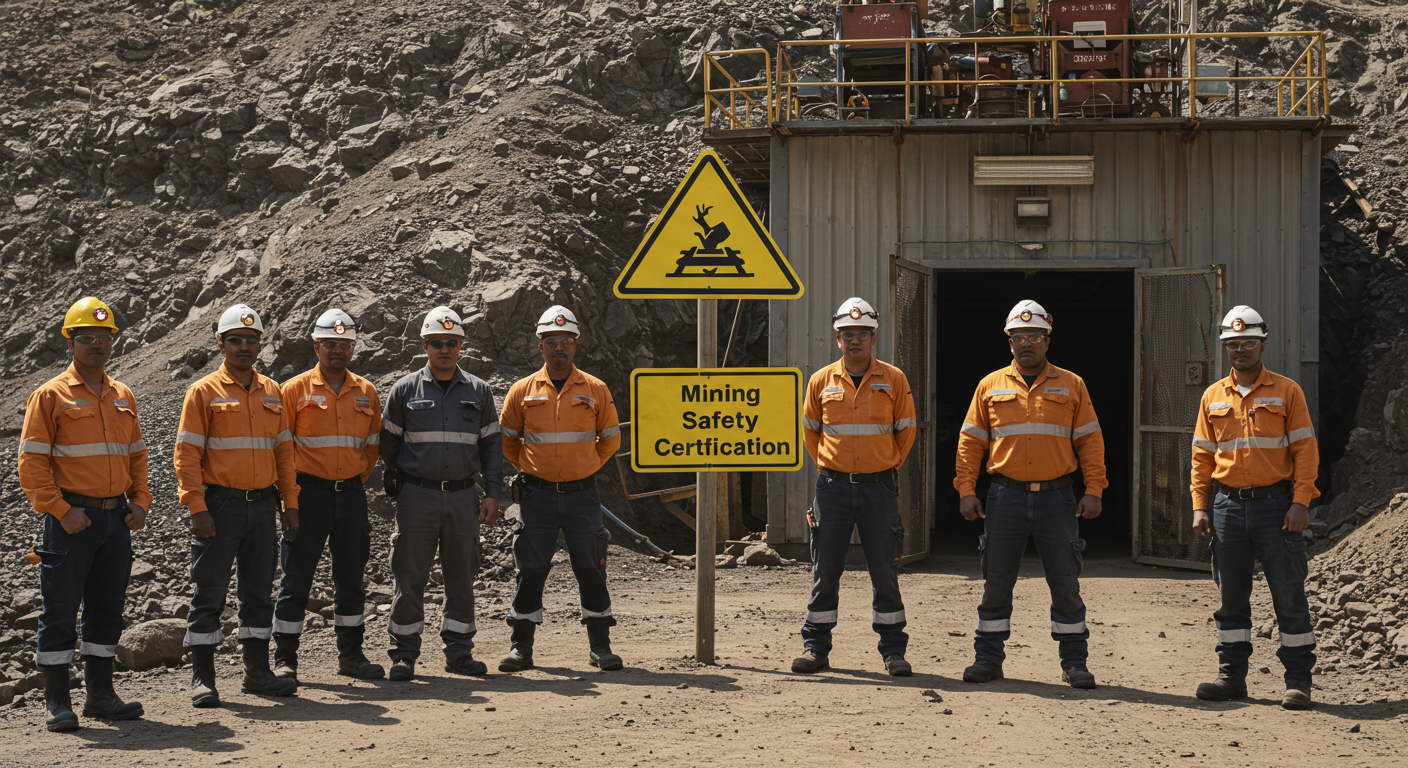
The Bedrock of Safety: Navigating Mining Safety Certification
The mining industry, a cornerstone of global economy and technological advancement, is inherently characterized by complex operations and significant risks. From underground tunnels to vast open pits, the extraction of valuable resources demands meticulous planning, advanced technology, and, above all, an unwavering commitment to safety. This commitment is formalized and enforced through comprehensive mining safety certification processes, which serve as the bedrock upon which safe and sustainable mining operations are built.
Mining safety certification isn't merely a bureaucratic hurdle; it is a critical framework designed to protect lives, safeguard the environment, and ensure operational continuity. It encompasses a wide array of standards, training protocols, and compliance measures aimed at mitigating hazards, preventing accidents, and fostering a culture where safety is paramount. Understanding the intricacies of this certification is vital for every stakeholder in the mining sector, from company executives to frontline workers.
Why Mining Safety Certification Matters
The importance of robust safety certification in mining cannot be overstated. Its impact resonates across multiple facets of the industry:
Protecting Lives
At its core, mining safety certification is about people. The industry, despite advancements, still faces risks of collapses, explosions, equipment malfunctions, and exposure to harmful substances. Proper certification ensures that workers are trained, equipped, and aware of potential dangers, drastically reducing the likelihood of injuries, fatalities, and occupational diseases. It’s a commitment to sending every miner home safely at the end of their shift.
Legal Compliance and Regulatory Adherence
Mining operations are heavily regulated globally. Governments and international bodies establish stringent safety standards and legal frameworks to govern the industry. Certification demonstrates adherence to these regulations, preventing severe penalties, fines, operational shutdowns, and legal liabilities that can arise from non-compliance. It also protects the company's social license to operate, a critical factor in today's responsible business environment.
Environmental Stewardship
Beyond human safety, certification often includes provisions for environmental protection. Safe mining practices extend to minimizing ecological footprints, managing waste, preventing pollution, and rehabilitating mined-out areas. This holistic approach ensures that resource extraction doesn't come at an irreversible cost to the planet.
Operational Efficiency and Business Continuity
A safe mine is an efficient mine. Frequent accidents lead to downtime, investigations, equipment damage, and a demoralized workforce, all of which incur significant financial losses. By contrast, a well-certified and safe operation minimizes disruptions, enhances productivity, improves worker morale, and protects the company’s reputation. Investors and stakeholders increasingly prioritize companies with strong safety records, viewing them as more stable and reliable.
Key Components of Mining Safety Certification
Achieving and maintaining mining safety certification involves a multi-faceted approach, integrating various elements into a cohesive safety management system:
Comprehensive Training Programs
Training is the cornerstone of mining safety. Certification mandates rigorous training programs that cover everything from basic safety awareness to highly specialized operational procedures.
- Initial Training: Mandatory for all new hires, covering general mine safety, emergency procedures, hazard identification, and site-specific rules.
- Refresher Training: Regular, periodic training to reinforce knowledge, update on new regulations, and address emerging risks.
- Specialized Training: Tailored for specific roles, equipment operation, hazardous material handling, and rescue operations. Modern solutions like the MaxLearn Microlearning Platform and a Gamified LMS are transforming how this vital training is delivered, making it more engaging, effective, and accessible.
Risk Assessment and Management
A systematic approach to identifying, evaluating, and controlling hazards is central to certification. This involves:
- Conducting thorough risk assessments for all tasks and areas.
- Implementing control measures, prioritized by the hierarchy of controls (elimination, substitution, engineering controls, administrative controls, PPE).
- Regular review and update of risk assessments. This proactive approach benefits significantly from Risk-focused Training, which helps employees understand and mitigate specific, critical hazards relevant to their roles.
Emergency Preparedness and Response
Mines must have robust plans in place for emergencies, including:
- Detailed evacuation procedures and routes.
- Well-equipped first aid stations and trained personnel.
- Mine rescue teams and specialized equipment.
- Regular drills and simulations to ensure prompt and effective response to incidents like fires, explosions, or collapses.
Equipment Safety and Maintenance
Machinery and equipment are integral to mining, and their safe operation is paramount. Certification requires:
- Regular inspection, maintenance, and certification of all machinery, vehicles, and tools.
- Adherence to manufacturer specifications and industry standards for equipment use.
- Comprehensive training for operators on safe operation and troubleshooting.
Health Surveillance and Occupational Hygiene
Protecting workers from long-term health risks is also a key component. This includes:
- Monitoring workers' exposure to dust, noise, vibration, and hazardous chemicals.
- Implementing controls to minimize exposure.
- Regular health surveillance programs for miners.
The Certification Process: What to Expect
The journey to mining safety certification typically involves several stages:
- Assessment and Audits: Independent third-party auditors or regulatory bodies conduct comprehensive assessments of a mine's safety management system, policies, procedures, and practices against established standards. This includes on-site inspections, document reviews, and interviews with personnel.
- Documentation: Extensive documentation is required, detailing safety policies, standard operating procedures (SOPs), risk assessments, training records, incident reports, and corrective actions.
- Continuous Improvement: Certification is not a one-time event. It demands a commitment to continuous improvement. Regular reviews, internal audits, and updates based on incident analysis, technological advancements, and regulatory changes are crucial. The adoption of methodologies like Adaptive Learning within training programs ensures that learning evolves with changing risks and operational needs, keeping safety knowledge evergreen and relevant.
The Role of Technology in Modern Mining Safety
Technological advancements are revolutionizing how mining safety certification is approached and maintained:
- Digital Training Platforms: As mentioned, platforms like the MaxLearn Microlearning Platform and Gamified LMS offer flexible, engaging, and trackable training solutions. They allow for consistent delivery of content, automated record-keeping, and personalized learning paths.
- AI and Data Analytics: Artificial intelligence can analyze vast datasets from sensors, equipment, and incident reports to predict potential hazards, identify trends, and recommend preventive measures, moving from reactive to predictive safety.
- AI Powered Authoring Tools: Creating custom, relevant safety content can be resource-intensive. Tools like an AI Powered Authoring Tool enable safety managers to rapidly develop and deploy specific training modules tailored to unique site conditions or new equipment, ensuring information is current and effective.
- Wearable Technology: Smart wearables can monitor workers' vital signs, detect hazardous atmospheres, track location, and alert supervisors in case of an emergency, adding an extra layer of real-time protection.
- Remote Monitoring and Automation: Automation of hazardous tasks and remote monitoring systems reduce human exposure to danger zones.
Challenges and Future Trends
Despite significant progress, challenges remain. Keeping up with rapid technological change, managing safety in remote and diverse geographical locations, and addressing the human factor (e.g., complacency, fatigue) are ongoing concerns. However, the future of mining safety is promising, driven by:
- Increased Automation and Robotics: Reducing human presence in high-risk areas.
- Enhanced AI Integration: For predictive analytics, real-time risk assessment, and autonomous safety systems.
- Personalized and Adaptive Learning: Tailoring training to individual worker needs, learning styles, and specific job roles for maximum impact.
- Digital Twins: Creating virtual replicas of mines for simulation, training, and predictive maintenance.
Conclusion
Mining safety certification is more than a compliance checklist; it is a dynamic, evolving commitment to safeguarding human life, protecting the environment, and ensuring the long-term viability of the mining industry. It demands continuous vigilance, investment in advanced technologies, and a culture that prioritizes safety at every level. As the industry continues to innovate, so too must its approach to safety, leveraging tools like the MaxLearn Microlearning Platform, Gamified LMS, and AI Powered Authoring Tool to build a safer, more sustainable future for mining worldwide. By embracing robust certification processes and cutting-edge solutions, the mining sector can continue to extract the resources vital for progress, all while upholding its fundamental responsibility to protect its most valuable asset: its people.
.jpg)


