

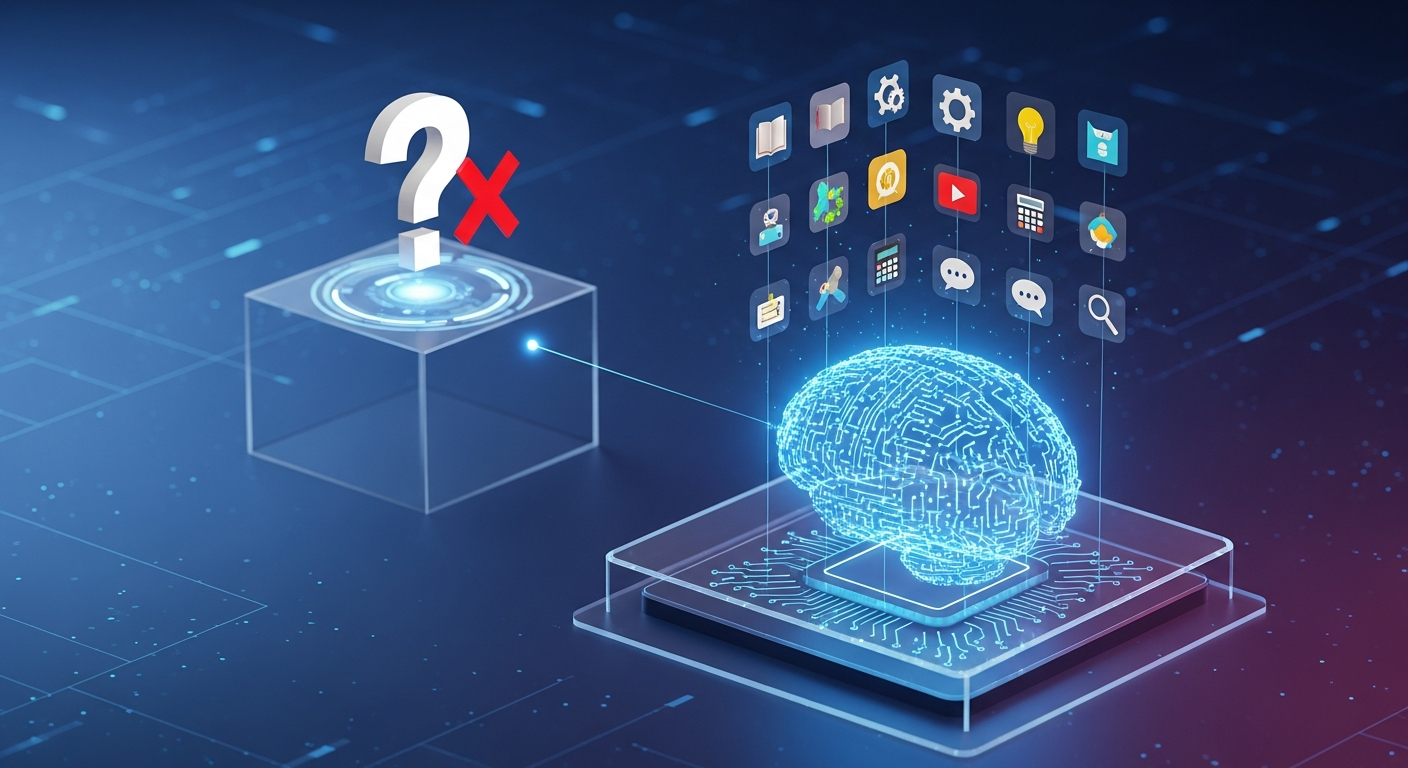
How AI-Driven Microlearning Platforms Eliminate Training Guesswork
In today's dynamic corporate landscape, effective employee training is no longer a luxury but a strategic imperative. Yet, for Vice Presidents, Directors, and Managers of Learning & Development, the process often feels like navigating a minefield of assumptions. Is the content truly relevant? Will learners retain the information? What's the measurable impact on performance and the bottom line? This pervasive "guesswork" not only drains resources but also hinders organizational growth across vital sectors like Compliance, Sales, Banking, Finance, Insurance, Retail, Pharma, Healthcare, Hospitality, Oil and Gas, and Mining.
The good news? The era of speculative training is rapidly fading, thanks to the revolutionary power of AI-driven microlearning platforms. These sophisticated Microlearning LMS solutions are transforming how organizations approach learning, replacing intuition with data, and guesswork with precision. They offer an intelligent, personalized, and highly efficient way to develop and retain talent, ensuring every training dollar delivers tangible value.
The High Cost of Training Guesswork
Before AI, L&D professionals often faced a daunting challenge: designing programs without precise insights into individual learner needs or the real-world application of knowledge. This led to several inefficiencies:
- One-Size-Fits-All Ineffectiveness: Generic courses failed to resonate with diverse learning styles and specific job roles, leading to disengagement and poor retention.
- Irrelevant Content: Learners often had to wade through vast amounts of information, much of which wasn't applicable to their immediate needs, wasting valuable time.
- Difficulty in Measuring ROI: Without clear data on individual progress, skill acquisition, and behavioral change, proving the return on investment for training initiatives remained elusive.
- Outdated Information: In fast-evolving industries, traditional training struggled to keep pace with new regulations, product launches, or technological advancements.
- Poor Knowledge Retention: Long, infrequent training sessions often resulted in the "forgetting curve" taking hold quickly, diminishing the long-term impact.
These challenges aren't just frustrating; they directly impact compliance rates, sales figures, customer satisfaction, and operational efficiency.
The AI-Driven Microlearning Revolution
Microlearning, at its core, involves delivering learning content in small, digestible chunks, typically 3-5 minutes long, focused on a single learning objective. When supercharged by artificial intelligence, this approach moves beyond simple content delivery to become a truly adaptive, proactive, and personalized learning experience.
An AI-driven learning management system leverages algorithms and machine learning to understand individual learners, curate relevant content, predict performance, and optimize the entire learning journey. This intelligent automation is what truly eliminates the guesswork from training, providing L&D leaders with actionable insights and unparalleled efficiency.
How AI Eliminates Guesswork: Key Mechanisms
Personalized Learning Paths
One of the most significant advancements AI brings to employee development is hyper-personalization. A common question for L&D leaders is: How can AI personalize employee training? The answer lies in its ability to analyze diverse data points – from pre-assessment scores, job roles, and past performance to learning styles and engagement patterns. This allows the system to tailor content delivery, recommending specific micro-lessons, modules, or even entire learning paths unique to each individual.
This Adaptive Learning approach ensures that every learner receives content that is precisely what they need, exactly when they need it, eradicating the inefficiencies of a one-size-fits-all model.
Dynamic Content Curation and Creation
The challenge of keeping training content current is immense, especially in sectors with rapid regulatory changes or product innovation. What role does artificial intelligence play in updating training materials? AI continuously monitors internal data (e.g., common errors, helpdesk queries) and external sources (industry news, regulatory updates) to identify knowledge gaps or areas where content needs refreshing. Furthermore, an AI Powered Authoring Tool can even assist in generating new content, questions, and scenarios, significantly reducing the manual effort involved in content maintenance and ensuring learning materials are always relevant and impactful.
Intelligent Skill Gap Analysis
Identifying skill gaps across a large workforce can be a laborious task. Can AI identify skill deficiencies across a workforce? Absolutely. Advanced learning content management system platforms utilize AI to analyze performance metrics, engagement rates, and assessment results at both individual and team levels. This allows for the proactive identification of specific skill gaps, predicting potential areas of weakness before they impact performance. This precise analysis enables L&D to deploy Risk-focused Training modules exactly where they're needed most, whether it's for compliance, technical skills, or soft skills.
Predictive Analytics for Performance and Retention
Beyond identifying current needs, AI offers powerful predictive capabilities. How does machine learning improve employee retention through training? By analyzing historical data and learner behavior, AI can predict which employees might be at risk of disengagement or even attrition due to a lack of development opportunities. It can also forecast the likelihood of successful course completion or proficiency gain. This allows L&D to intervene proactively, offering targeted support, mentorship, or additional resources, thereby boosting employee satisfaction and commitment. An enterprise learning management system powered by AI turns data into foresight.
Real-time Feedback and Engagement Boosters
Engagement is crucial for effective learning. What impact does artificial intelligence have on learner engagement? AI significantly enhances engagement through personalized nudges, smart reminders, and intelligent chatbots that provide instant support and answer common questions. Moreover, AI can dynamically integrate Gamified LMS elements, adapting challenges and rewards to individual learner preferences, ensuring the learning experience remains stimulating, interactive, and highly motivating. This leads to higher completion rates and better knowledge absorption.
Benefits Across Industries
The elimination of guesswork through AI-driven microlearning translates into tangible benefits across diverse industries:
- Compliance: In Banking, Finance, Insurance, and Pharma, AI ensures employees are consistently up-to-date with the latest regulations, reducing the risk of penalties and legal issues.
- Sales: Retail and B2B Sales teams benefit from real-time product knowledge updates and adaptive training on selling techniques, leading to improved conversion rates.
- Healthcare: Medical professionals receive timely updates on new protocols and drug information, enhancing patient care and safety.
- Hospitality: Staff can be quickly trained on customer service standards and operational procedures, improving guest experience.
- Oil and Gas & Mining: Critical safety procedures and new equipment operation can be delivered efficiently and reinforced regularly, mitigating high-risk scenarios.
The data-driven approach of these learning management solutions allows L&D leaders to demonstrate clear ROI, optimize budget allocation, and foster a culture of continuous improvement.
Choosing the Right Platform: What to Look For
When evaluating learning management software, look for a robust LCMS that integrates powerful AI capabilities with a microlearning framework. Key features should include:
- Personalization engines powered by AI.
- Automated content curation and an AI Powered Authoring Tool.
- Comprehensive analytics and reporting for skill gap identification and performance prediction.
- Gamified LMS elements to boost engagement.
- Scalability as a cloud based learning management system.
- A proven track record of supporting enterprise learning management needs.
For L&D professionals seeking to move beyond guesswork and into a realm of precision training, solutions like the MaxLearn LMS offer the integrated tools necessary to achieve these objectives.
Conclusion
The journey from traditional, often speculative, training methodologies to data-driven, impactful learning is being spearheaded by AI-driven microlearning platforms. For L&D Vice Presidents, Directors, and Managers, this represents an unprecedented opportunity to eliminate the guesswork that has long plagued corporate training. By leveraging artificial intelligence, organizations can ensure every learning initiative is personalized, relevant, engaging, and measurable, ultimately driving superior performance and sustained competitive advantage. Embrace the future of learning, where every training decision is informed, strategic, and impactful.


