

The Architecture of Effective Microlearning: Merging Neuroscience, VARK, and LMS Tech
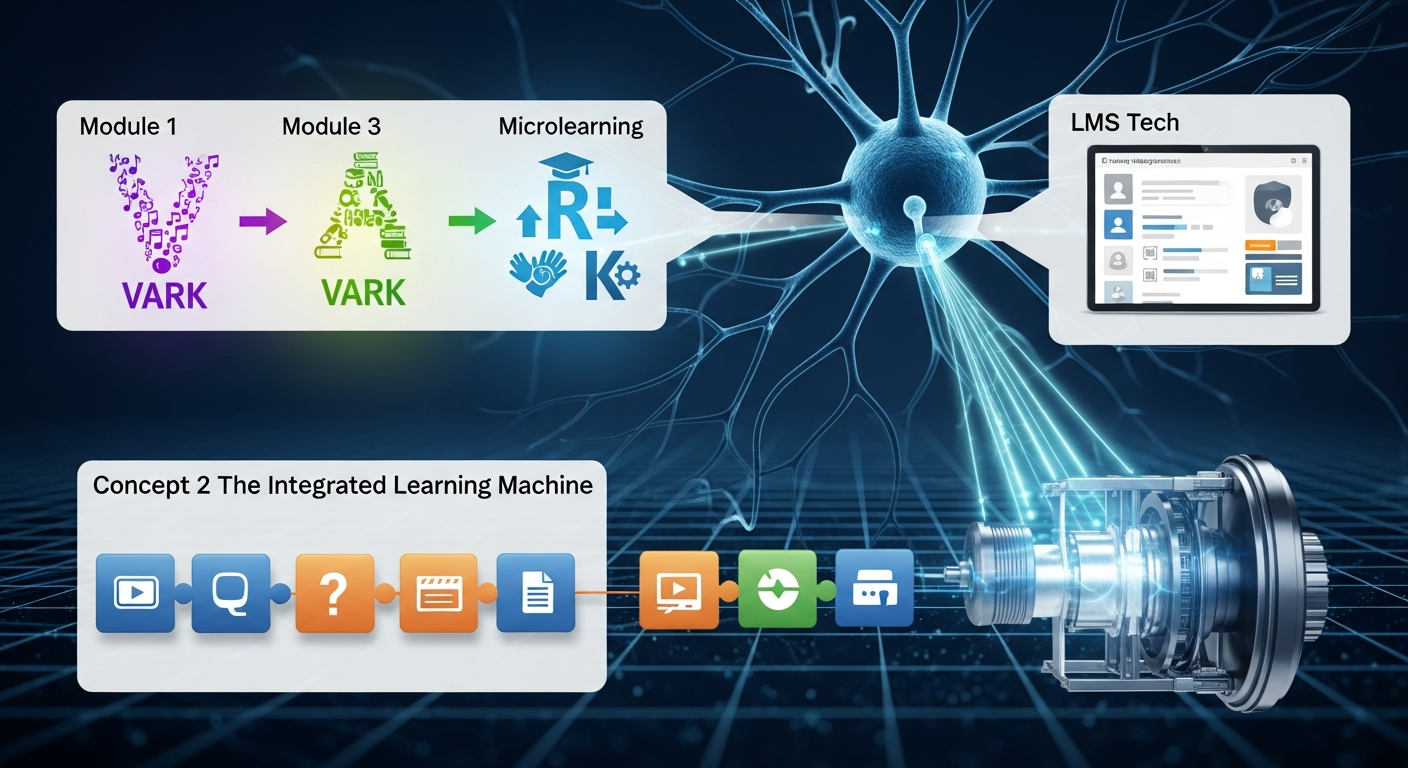
In today's fast-paced corporate environment, the demand for agile, effective, and engaging employee development has never been higher. As L&D leaders, Vice Presidents, Directors, and Senior Managers, you face the constant challenge of upskilling diverse teams across industries like Compliance, Sales, Banking, Finance, Insurance, Retail, Pharma, Health care, Hospitality, Oil and Gas, and Mining. Traditional lengthy training modules often struggle to compete with shrinking attention spans and the need for immediate applicability. This is where the sophisticated architecture of effective microlearning emerges as a game-changer, meticulously designed by integrating cutting-edge neuroscience, personalized VARK learning modalities, and powerful LMS technology.
The Neuroscientific Edge of Microlearning
Understanding the Brain's Learning Mechanisms
Neuroscience offers profound insights into how the human brain processes, stores, and retrieves information. Our brains are not designed for long, uninterrupted periods of intense focus; rather, they thrive on short, digestible bursts of information. This aligns perfectly with microlearning, which respects our natural cognitive architecture. Research indicates that the average human attention span is increasingly limited, making the traditional hour-long eLearning module less effective. Microlearning modules, typically 3-10 minutes in duration, prevent cognitive overload, allowing learners to absorb key concepts without mental fatigue.
By delivering content in small, focused chunks, microlearning leverages principles like spaced repetition and retrieval practice, crucial for long-term memory consolidation. Spaced repetition involves revisiting information at increasing intervals, strengthening neural pathways, while retrieval practice (through quick quizzes or interactive challenges) actively pulls information from memory, reinforcing learning. This neuroscientific foundation ensures that knowledge isn't just consumed but genuinely retained and readily applicable, transforming passive training into active, impactful learning experiences for your teams.
Personalizing Learning with VARK Modalities
Decoding Individual Learning Preferences
One of the enduring challenges in L&D is addressing the diverse learning styles within any given cohort. The VARK model—Visual, Auditory, Read/Write, and Kinesthetic—provides a robust framework for understanding these preferences. A visual learner thrives on infographics, diagrams, and videos; an auditory learner benefits from podcasts and narrated content; a read/write learner excels with text-based materials, manuals, and summaries; and a kinesthetic learner learns best through hands-on activities, simulations, and interactive exercises. A one-size-fits-all approach inevitably leaves a significant portion of your workforce disengaged and underserved.
Microlearning's Multi-Modal Advantage
Microlearning's inherent flexibility is its greatest asset in catering to VARK preferences. Its modular nature allows L&D professionals to create a rich tapestry of content formats for a single learning objective. Instead of a single text-heavy module, learners can choose from a short explanatory video (visual), a concise audio summary (auditory), a quick read-and-review document (read/write), or an interactive drag-and-drop exercise or quick simulation (kinesthetic). This multi-modal approach not only enhances engagement by offering choice but also significantly improves comprehension and retention by delivering information in the learner's preferred style. For critical areas like Risk-focused Training, this personalization ensures complex concepts resonate with every employee, reducing compliance gaps and improving performance.
The Technological Backbone: Advanced LMS Platforms
Beyond Content Delivery: Features that Drive Engagement
The synergy between neuroscience, VARK, and technology culminates in the modern Microlearning LMS. Far beyond being mere content repositories, today's advanced learning management software platforms are sophisticated ecosystems designed to optimize the learning journey. A robust cloud based learning management system ensures global accessibility, allowing employees across your enterprise to access training anytime, anywhere, on any device. Features like intuitive user interfaces, mobile-first design, and personalized dashboards are critical for an engaging experience.
Furthermore, a truly effective learning management system incorporates elements of gamification to boost motivation and engagement. A Gamified LMS transforms learning into an interactive experience with points, badges, leaderboards, and progress tracking, fostering healthy competition and a sense of achievement. For large organizations, an enterprise learning management system like MaxLearn LMS offers the scalability and administrative control necessary to manage complex training programs efficiently. It goes beyond simple content delivery, becoming a vital tool for fostering a continuous learning culture.
Leveraging Artificial Intelligence for Smarter Microlearning
The integration of artificial intelligence propels learning management solutions into a new era of personalization and efficiency. AI algorithms power Adaptive Learning paths, dynamically adjusting content and difficulty based on a learner's performance and preferences. This ensures that training is always relevant, challenging, and never redundant. An AI Powered Authoring Tool significantly reduces the time and effort required to create diverse microlearning content, empowering L&D teams to rapidly deploy tailored training modules. This intelligent content creation capability, whether through a dedicated Learning content management system (LCMS) or integrated within an lms learning management system, ensures that content is fresh, relevant, and consistently aligned with evolving business needs.
Integrating the Pillars: A Holistic Approach
The true power of microlearning lies in the synergistic integration of these three pillars. Neuroscience guides the optimal structure and timing of each micro-module, ensuring it aligns with natural cognitive functions for maximum retention. VARK principles dictate the diverse formats through which these modules are presented, guaranteeing that every learner receives information in a way that resonates with their individual style. Finally, the advanced LMS technology provides the intelligent platform that seamlessly delivers, manages, and analyzes this personalized, neuroscientifically-informed content at scale. This holistic approach transforms training from a necessary chore into an engaging, effective, and deeply personal growth experience for employees across all your segments and industries, from mastering complex banking regulations to enhancing sales techniques or adhering to stringent healthcare protocols.
Frequently Asked Questions on Next-Gen Learning
How can advanced analytics improve training outcomes?
Sophisticated analytics within an advanced platform allow L&D leaders to track granular data, including module completion rates, time spent, assessment scores, and even content preferences. This data provides invaluable insights into what's working, where learners struggle, and which content formats are most engaging. By identifying performance gaps and effective modules, organizations can continuously optimize their training programs, ensuring resources are directed towards the most impactful interventions and directly correlating training to improved business metrics.
What is the impact of tailored content on employee performance?
Tailored content significantly boosts employee performance by ensuring relevance and engagement. When learning materials speak directly to an individual's job role, skill gaps, and preferred learning style, it dramatically increases comprehension, retention, and the ability to apply new knowledge on the job. This direct application translates into faster skill acquisition, improved productivity, reduced errors, and a more confident, competent workforce, ultimately driving better business outcomes and fostering a culture of continuous development.
How does intelligent technology personalize learning journeys?
Intelligent technology leverages data about a learner's background, past performance, stated preferences, and even real-time interactions to create dynamic learning paths. This means recommending specific micro-modules, suggesting different content formats (video versus text), adjusting the pace of learning, and even providing personalized feedback or additional resources based on individual needs. This adaptive approach ensures that each employee receives a unique, highly relevant, and optimized learning experience that maximizes their potential and addresses their specific developmental requirements.
Conclusion
For L&D VPs, Directors, and Managers, mastering the architecture of effective microlearning is no longer optional but essential. By deliberately merging insights from neuroscience, leveraging VARK learning styles, and harnessing the power of an intelligent learning management system, you can build a training ecosystem that is not only highly efficient and scalable but profoundly impactful. This integrated strategy delivers personalized, engaging, and brain-friendly learning that drives real business results across your diverse organizational landscape, preparing your workforce for the challenges and opportunities of tomorrow.
.jpg)


