

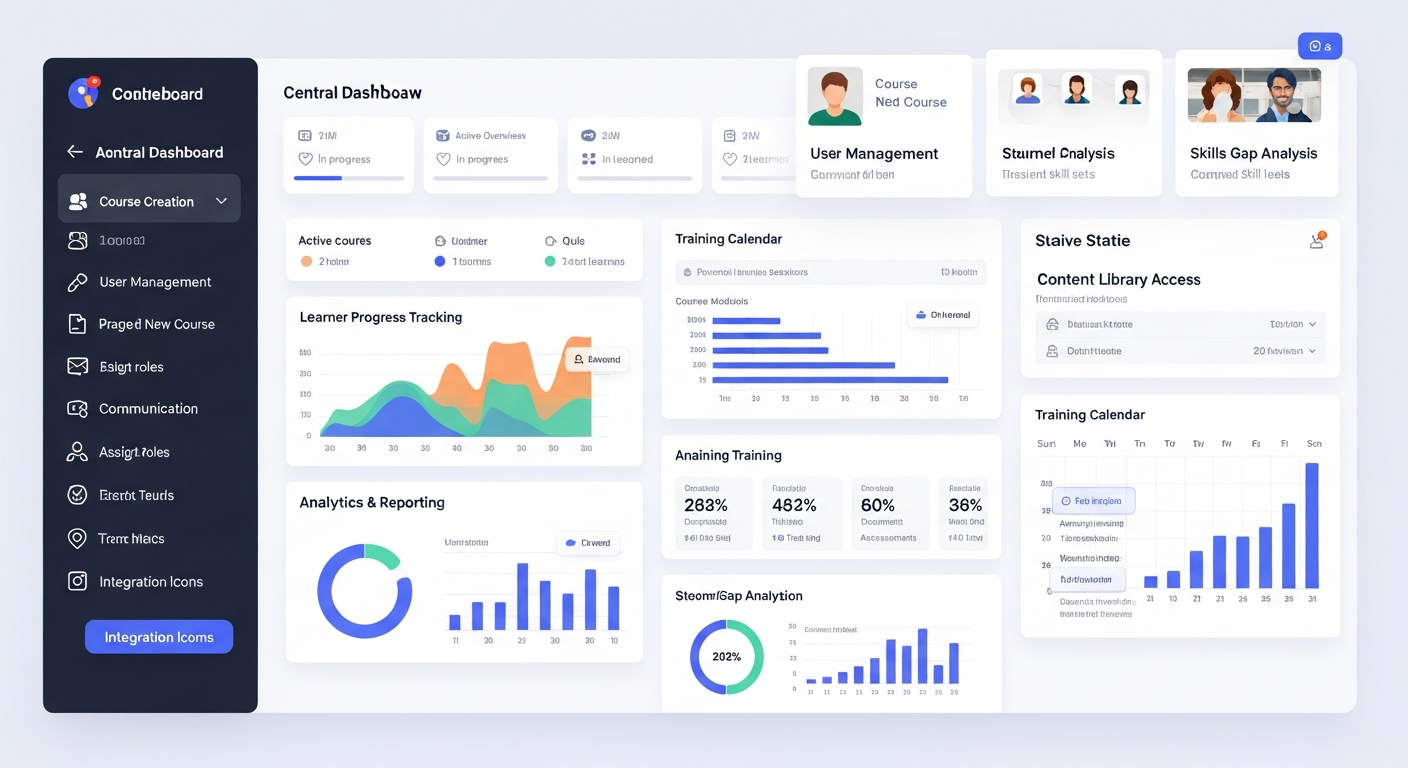
Unlocking Potential: The Transformative Power of Training Manager Software
In today's fast-evolving corporate landscape, continuous learning and development are not just buzzwords; they are critical pillars for business success. Organizations worldwide are recognizing the profound impact of a well-trained workforce on productivity, innovation, employee retention, and overall competitiveness. However, managing diverse training programs, tracking learner progress, ensuring compliance, and measuring ROI can quickly become an administrative nightmare without the right tools. This is where Training Manager Software steps in, revolutionizing how companies approach their learning and development initiatives.
A robust Training Manager Software solution is more than just a digital filing cabinet for courses; it's a strategic platform designed to streamline, automate, and optimize every aspect of your training operations. From initial planning and resource allocation to content delivery and performance analytics, this software empowers L&D professionals to move beyond manual processes and focus on creating truly impactful learning experiences. If your organization is serious about fostering a culture of continuous improvement and maximizing its human capital, understanding the full scope and benefits of Training Manager Software is essential.
What is Training Manager Software?
Training Manager Software, often synonymous with Learning Management Systems (LMS) but sometimes offering a more specialized focus on administrative and logistical elements, is a comprehensive digital platform designed to manage and deliver educational courses, training programs, and development initiatives within an organization. It acts as a central hub for all learning activities, bringing together learners, instructors, content, and administrative functions into a unified ecosystem.
At its core, Training Manager Software aims to simplify the complex task of corporate training. It replaces fragmented systems, spreadsheets, and manual communication with an integrated, automated approach. This allows businesses to not only deliver a wider range of training more efficiently but also to ensure that training aligns directly with strategic business objectives, fills critical skill gaps, and contributes directly to employee growth and organizational performance.
Key Features to Look For
To truly unlock the potential of your training programs, a comprehensive Training Manager Software should offer a suite of powerful features. When evaluating solutions, consider these critical functionalities:
- Learner Management: The ability to easily enroll, track, and manage learner profiles, groups, and progress. This includes individual learning paths, certification tracking, and communication tools.
- Course Management: Tools to create, organize, assign, and manage courses, modules, and learning materials. This often includes version control, prerequisites, and retirement processes.
- Scheduling & Logistics: For instructor-led training (ILT) or blended learning, features for managing calendars, venues, resources, instructors, and attendee registrations are crucial.
- Reporting & Analytics: Robust dashboards and customizable reports that provide insights into learner performance, course completion rates, training effectiveness, and ROI. This data is vital for continuous improvement.
- Compliance & Certification: Automated tracking for mandatory training, regulatory compliance, and professional certifications. It should alert users and managers about upcoming deadlines and renewals, ensuring your organization meets all necessary standards.
- Content Authoring & Integration: While some platforms offer built-in content creation tools, others excel at integrating with existing content libraries or third-party authoring tools. The flexibility to use various content types (videos, SCORM, quizzes, documents) is key.
- Communication & Collaboration Tools: Features like discussion forums, messaging, and announcements to foster a collaborative learning environment and facilitate interaction between learners and instructors.
- Mobile Accessibility: Ensuring learners can access training anytime, anywhere, from any device, enhancing flexibility and engagement.
Benefits of Implementing Training Manager Software
The strategic implementation of Training Manager Software yields a multitude of benefits that resonate across the entire organization:
- Increased Efficiency & Automation: Automates repetitive administrative tasks such as registration, scheduling, reminders, and record-keeping, freeing up L&D teams to focus on strategy and content quality.
- Improved Learner Engagement: Modern platforms often incorporate interactive elements, personalized learning paths, and user-friendly interfaces, leading to higher course completion rates and better knowledge retention. Platforms offering a Gamified LMS can significantly boost motivation and engagement.
- Better Data-Driven Decisions: Comprehensive reporting and analytics provide actionable insights into training effectiveness, identifying strengths, weaknesses, and areas for improvement. This allows L&D to demonstrate ROI and make informed decisions.
- Enhanced Compliance & Risk Management: Automated tracking and documentation of mandatory training ensure that your organization remains compliant with industry regulations and internal policies. This capability is vital for Risk-focused Training, mitigating potential liabilities and ensuring a well-prepared workforce.
- Scalability & Flexibility: Easily scale training programs up or down to accommodate growing teams, new hires, or evolving business needs without a proportionate increase in administrative overhead.
- Consistent Training Quality: Ensures that all employees receive the same high-quality training content, reducing inconsistencies and maintaining uniform standards across departments or global locations.
- Cost Reduction: By reducing reliance on external training providers, minimizing travel costs for in-person sessions, and streamlining administrative efforts, the software can lead to significant cost savings over time.
Choosing the Right Training Manager Software
Selecting the ideal Training Manager Software is a critical decision that requires careful consideration. Here's a guide to help you navigate the options:
Assess Your Needs
Begin by clearly defining your organization's specific training goals, target audience, budget, and the types of content you need to deliver. Do you primarily need to track compliance, deliver sales training, onboarding, or technical skills development? Understanding these priorities will narrow down your choices.
Consider User Experience
A user-friendly interface for both administrators and learners is paramount. If the software is cumbersome, adoption rates will suffer. Look for intuitive navigation, a clean design, and mobile responsiveness to ensure accessibility and ease of use.
Look for Advanced Features and Modern Methodologies
The best software goes beyond basic functionality. Explore platforms that integrate cutting-edge learning methodologies. For instance, consider a MaxLearn Microlearning Platform for delivering bite-sized, engaging content. Investigate solutions that offer Adaptive Learning capabilities to personalize learning paths based on individual needs and performance, ensuring more effective and efficient skill development. Additionally, an AI Powered Authoring Tool can dramatically accelerate content creation and enhance its quality, making the process smarter and more efficient.
Evaluate Support & Scalability
Ensure the vendor offers reliable customer support, training, and a clear roadmap for future updates and features. The software should also be able to scale with your organization's growth, accommodating an increasing number of users and evolving training demands without performance degradation.
Integrating Modern Learning Approaches
The most effective Training Manager Software platforms are those that embrace and facilitate modern learning strategies. They move beyond traditional classroom models to offer dynamic, engaging, and personalized experiences:
- Microlearning: Delivering content in short, focused bursts improves retention and fits into busy employee schedules.
- Gamification: Incorporating game-like elements such as points, badges, leaderboards, and challenges significantly boosts learner motivation and engagement, making learning more enjoyable and effective.
- Adaptive Learning: Utilizing algorithms to tailor content and pace to individual learner needs, ensuring that each employee receives the most relevant and challenging material for their skill level.
- AI-Powered Tools: Leveraging artificial intelligence for personalized recommendations, automated content generation, intelligent assessments, and predictive analytics to optimize the learning journey.
Conclusion
Training Manager Software is no longer a luxury but a necessity for any forward-thinking organization committed to nurturing its talent and staying competitive. By centralizing management, automating processes, and providing invaluable insights, it transforms corporate training from an administrative burden into a strategic asset. Investing in the right platform empowers L&D teams to deliver more effective, engaging, and measurable training programs, ultimately driving employee growth, fostering a culture of continuous learning, and propelling your business towards sustained success. Embrace the future of learning management and unlock your organization's full potential.
.jpg)


