

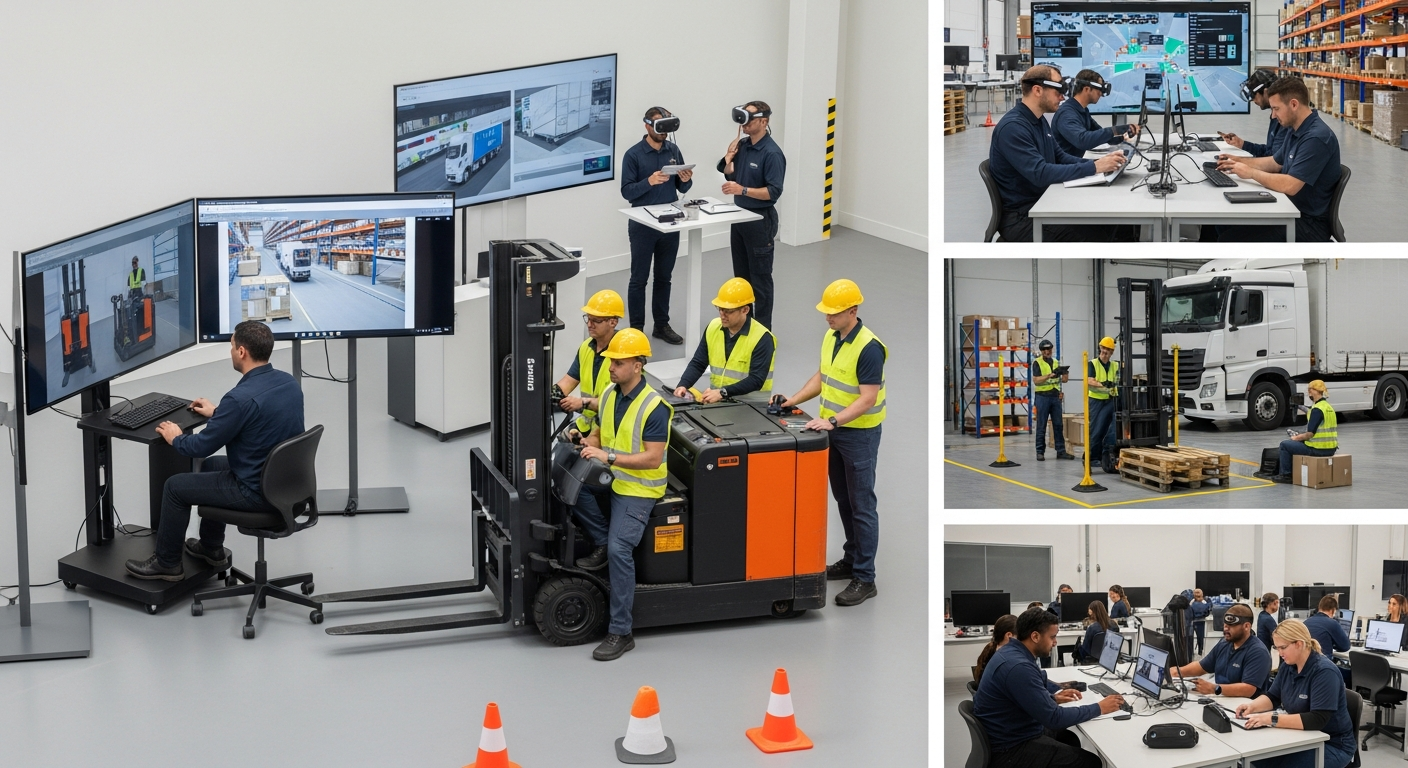
Training For Warehousing And Transport: Elevating Safety, Efficiency, and Compliance
The backbone of the global economy relies heavily on the efficient and safe operations of warehousing and transport. From the moment raw materials enter a facility to the final delivery of goods to a customer, every step is critical. Yet, this industry faces unique challenges: high-risk environments, rapid technological advancements, stringent regulatory compliance, and a persistent need for skilled labor. In such a dynamic landscape, effective training isn't just an option; it's a strategic imperative for success, sustainability, and competitive advantage.
Investing in comprehensive training programs for warehousing and transport personnel can dramatically improve safety records, boost operational efficiency, ensure regulatory adherence, and significantly enhance employee retention. This article will delve into why robust training is non-negotiable and explore modern approaches to empower your workforce for the future.
The Dynamic World of Warehousing and Transport
Warehousing and transport are no longer static industries. They are constantly evolving, driven by:
- Technological Advancements: Automation, robotics, AI-driven inventory management systems, IoT sensors, and telematics are reshaping how goods are stored, moved, and tracked.
- Increased Demand and Complexity: E-commerce growth, just-in-time inventory practices, and global supply chains demand faster, more accurate, and more flexible operations.
- Regulatory Scrutiny: Stricter environmental, safety (OSHA, DOT), and data privacy regulations require constant vigilance and adaptation.
- Skilled Labor Shortage: The industry grapples with attracting and retaining qualified personnel, making upskilling and reskilling existing employees crucial.
In this fast-paced environment, an untrained or undertrained workforce poses significant risks, including accidents, costly errors, compliance fines, and operational bottlenecks. This underscores the undeniable value of continuous, relevant training.
Why Effective Training is Non-Negotiable
The benefits of a well-trained workforce in warehousing and transport extend far beyond mere compliance.
1. Enhancing Safety and Reducing Accidents
Warehouses and transport operations inherently involve risks, from operating heavy machinery like forklifts and cranes to handling hazardous materials and navigating busy roadways. Proper safety training is paramount to minimizing accidents, injuries, and fatalities. It covers safe equipment operation, emergency procedures, hazard identification, and the correct use of Personal Protective Equipment (PPE).
By implementing Risk-focused Training, organizations can proactively address potential dangers, educate employees on best practices, and cultivate a culture where safety is everyone's priority. This not only protects employees but also reduces worker's compensation claims, insurance costs, and potential legal liabilities.
2. Boosting Operational Efficiency and Productivity
A trained employee understands the most efficient procedures for every task, from inventory picking and packing to loading trucks and optimizing routes. This leads to:
- Reduced errors and rework.
- Faster processing and turnaround times.
- Optimized use of equipment and resources.
- Minimized damage to goods and equipment.
When every team member is proficient, operations run smoother, bottlenecks are fewer, and overall productivity soars, directly impacting the bottom line.
3. Ensuring Compliance and Mitigating Legal Risks
The warehousing and transport sectors are heavily regulated. Non-compliance with federal, state, and local regulations (e.g., OSHA, DOT, EPA, hazardous materials transport rules) can lead to hefty fines, legal action, operational shutdowns, and severe reputational damage. Training ensures that all employees are aware of and adhere to the latest regulations, documentation requirements, and safety standards.
Ongoing compliance training helps companies navigate complex legal landscapes, maintain necessary certifications, and avoid costly penalties, safeguarding the business's longevity and integrity.
4. Retaining Talent and Fostering Growth
In an industry facing labor shortages, investing in employee development is a powerful retention tool. Employees who feel valued and see opportunities for growth are more engaged, loyal, and productive. Training provides pathways for career advancement, upskilling, and cross-training, making roles more interesting and challenging.
By equipping employees with new skills and knowledge, companies can reduce turnover rates, improve morale, and build a more resilient and adaptable workforce capable of meeting future demands.
Key Areas for Comprehensive Training Programs
Effective training programs for warehousing and transport must cover a wide range of topics tailored to specific roles and responsibilities.
Warehouse Operations Training
- Inventory Management: Proper use of Warehouse Management Systems (WMS), scanning technologies, cycle counting, and inventory reconciliation.
- Material Handling Equipment (MHE) Operation: Safe and certified operation of forklifts, pallet jacks, order pickers, reach trucks, and other MHE, including pre-operation checks and maintenance basics.
- Picking, Packing, and Shipping: Best practices for accurate order fulfillment, packaging standards, labeling, and preparation for shipment.
- Hazardous Materials Handling: Proper storage, labeling, documentation, and emergency response procedures for dangerous goods.
- Workplace Safety: General safety protocols, fall prevention, lockout/tagout procedures, fire safety, and emergency evacuation plans.
Transport and Logistics Training
- Driver Safety Training: Defensive driving techniques, hours of service regulations (HOS), fatigue management, pre-trip and post-trip inspections, and accident procedures.
- Load Securement: Proper techniques for securing various types of cargo to prevent shifting, damage, and accidents during transit.
- Route Optimization and Navigation: Efficient use of GPS, electronic logging devices (ELDs), and routing software to minimize fuel consumption and delivery times.
- Regulatory Compliance: Training on DOT regulations, cross-border shipping requirements, hazardous material transportation rules, and vehicle maintenance standards.
- Customer Service and Communication: Professional interaction with clients, problem-solving skills, and effective communication throughout the delivery process.
Modern Training Approaches for the Modern Workforce
Traditional, lengthy classroom sessions are often ill-suited for the fast-paced, shift-based nature of warehousing and transport. Modern training needs to be flexible, engaging, and accessible. Here are some effective approaches:
- Microlearning: Delivering content in short, bite-sized modules (MaxLearn Microlearning Platform is an excellent example). This approach is ideal for busy employees, allowing them to learn at their own pace during downtime, reinforce key concepts, and quickly grasp specific skills.
- Gamification: Incorporating game-like elements such as points, badges, leaderboards, and challenges can significantly boost engagement and motivation. A Gamified LMS transforms mundane training into an interactive and rewarding experience, leading to better knowledge retention.
- Adaptive Learning: Personalized learning paths that adjust to an individual's existing knowledge, pace, and learning style. Adaptive Learning ensures that employees receive training that is most relevant and challenging for them, optimizing time and improving outcomes.
- AI-Powered Tools for Content Creation: Leveraging an AI Powered Authoring Tool can dramatically speed up the creation and updating of training content, ensuring it remains current with evolving regulations and technologies.
- Blended Learning: Combining online modules (e-learning, simulations) with hands-on practical sessions (e.g., forklift certification, defensive driving). This approach leverages the strengths of both formats.
- Virtual Reality (VR) and Augmented Reality (AR) Simulations: Providing safe, immersive environments for practicing high-risk tasks, such as operating heavy machinery or navigating complex warehouse layouts, without real-world consequences.
Conclusion
In the high-stakes world of warehousing and transport, effective training is not just an expense; it's a vital investment in your company's future. It empowers your workforce to operate safely, efficiently, and compliantly, driving productivity and ensuring customer satisfaction. By embracing modern, engaging, and adaptive training methodologies, organizations can build a highly skilled, motivated, and resilient workforce ready to navigate the complexities and capitalize on the opportunities of tomorrow.
Prioritizing continuous, comprehensive training for every member of your warehousing and transport team is the definitive step towards a safer, more productive, and ultimately more profitable operation. Make training a cornerstone of your operational strategy, and watch your business thrive.
.jpg)


