

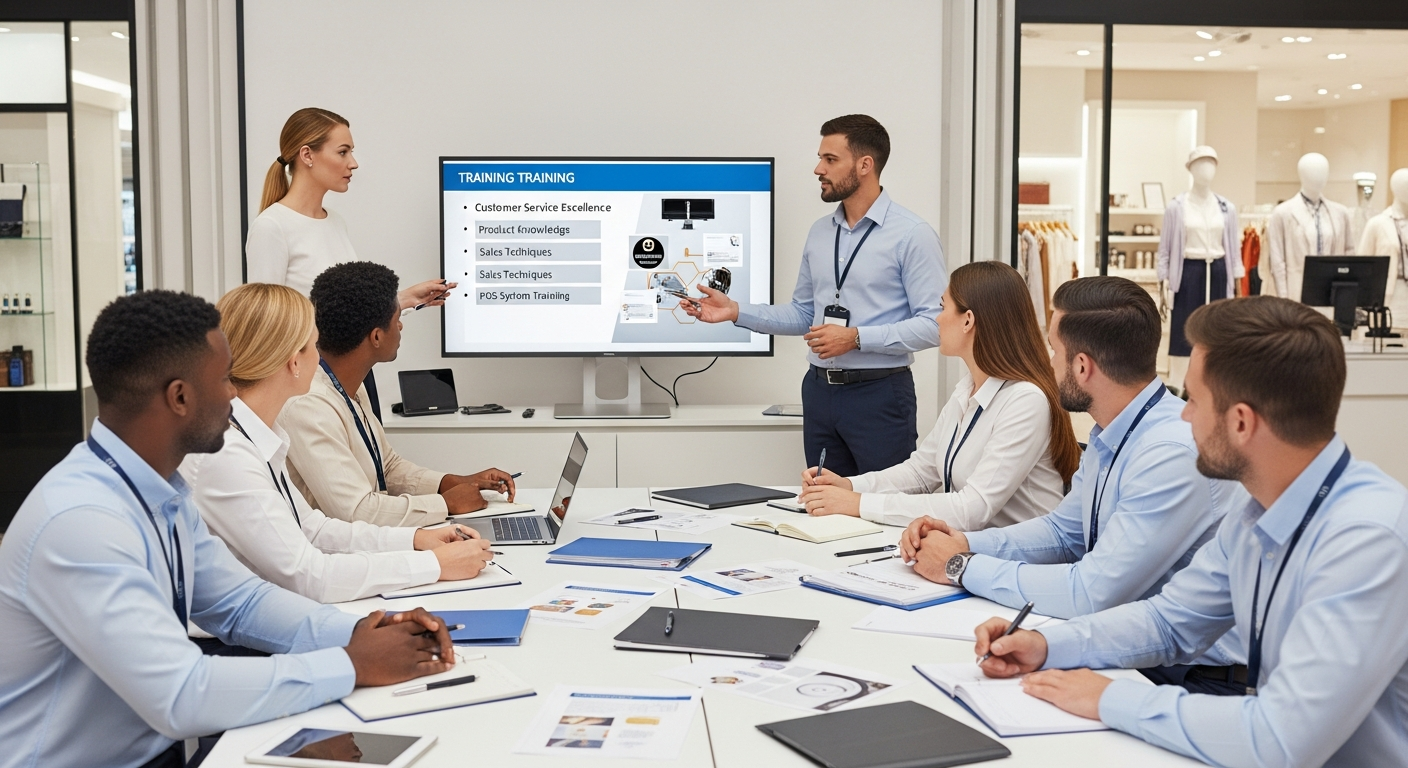
Elevating the Retail Experience: The Indispensable Role of Employee Training
In the dynamic world of retail, where consumer expectations are constantly evolving and competition is fierce, the success of any business hinges on one crucial asset: its employees. More than just transactional interactions, today's retail environment demands engaging, knowledgeable, and customer-centric service. This isn't an innate ability for most; it's a skill cultivated through deliberate and effective training. Investing in comprehensive training for retail employees is no longer a luxury but a strategic imperative that directly impacts customer satisfaction, brand loyalty, and ultimately, the bottom line. From understanding intricate product details to mastering the art of empathetic communication, well-trained staff are the frontline ambassadors who shape the customer journey and differentiate a brand in a crowded marketplace.
Why Retail Employee Training is More Critical Than Ever
The retail landscape has undergone a significant transformation. E-commerce has raised the bar for convenience, pushing brick-and-mortar stores to offer unique value propositions, often centered around personalized service and experiential shopping. This shift places immense pressure on retail employees to not only facilitate transactions but to become brand advocates, problem-solvers, and relationship builders. Without proper training, staff can feel overwhelmed, leading to high turnover, poor customer service, and missed sales opportunities. Conversely, a well-trained team feels empowered, confident, and motivated, creating a positive ripple effect throughout the entire organization and customer base.
The Tangible Benefits of a Trained Workforce:
- Enhanced Customer Experience: Knowledgeable staff provide quicker, more accurate assistance, leading to higher customer satisfaction and repeat business.
- Increased Sales and Upselling: Employees confident in product knowledge and sales techniques are more effective at closing sales and suggesting complementary items.
- Reduced Employee Turnover: Investing in training shows employees they are valued, boosting morale and reducing the costly cycle of hiring and retraining.
- Improved Brand Reputation: Consistent, high-quality service builds trust and positive word-of-mouth.
- Operational Efficiency: Well-trained employees are more productive, make fewer mistakes, and handle issues more efficiently.
- Adaptability to Change: Retail is constantly evolving. Training equips staff to embrace new technologies, products, and customer service strategies.
Key Areas for Comprehensive Retail Training
Effective retail training goes beyond a simple product demo. It encompasses a holistic approach to equip employees with a diverse skill set. A robust training program should cover several critical dimensions:
1. Product Knowledge and Merchandising
- In-depth understanding of product features, benefits, and specifications.
- Awareness of inventory levels and common stock questions.
- Techniques for effective product display and visual merchandising to attract customers.
- Understanding of product lifecycles and seasonal trends.
2. Customer Service Excellence
- Active listening and empathetic communication skills.
- Handling difficult customers and resolving complaints gracefully.
- Building rapport and establishing long-term customer relationships.
- Understanding customer needs and tailoring recommendations.
- Post-sale follow-up and loyalty program enrollment.
3. Sales Techniques and Closing Strategies
- Identifying customer needs through effective questioning.
- Presenting solutions and overcoming objections.
- Upselling and cross-selling relevant products.
- Understanding different customer personalities and adapting sales approaches.
- Mastering payment processing and point-of-sale (POS) systems.
4. Store Operations and Compliance
- Cash handling procedures and fraud prevention.
- Opening and closing store routines.
- Health, safety, and security protocols.
- Company policies regarding returns, exchanges, and discounts.
- Understanding and adhering to legal and ethical retail practices.
5. Brand Culture and Values
- Understanding the company's mission, vision, and values.
- How to embody the brand's identity in every customer interaction.
- Building team cohesion and a positive work environment.
Modern Approaches to Retail Employee Training
Traditional, lengthy classroom sessions are often impractical and ineffective for today's fast-paced retail environment. Modern training leverages technology and innovative methodologies to deliver engaging, accessible, and measurable learning experiences.
Microlearning: Learning in Bite-Sized Chunks
Retail employees often have limited time for training due to demanding schedules. MaxLearn Microlearning Platform provides short, focused bursts of information, making it easier for staff to learn and retain information without disrupting their work. These modules can be accessed on-demand, allowing employees to refresh their knowledge whenever needed, directly on the sales floor.
Gamification: Making Learning Engaging
To combat disengagement and make training more enjoyable, many retailers are adopting a Gamified LMS. By incorporating elements like points, badges, leaderboards, and challenges, gamification transforms mundane training into an interactive and competitive experience, significantly boosting participation and knowledge retention. This approach motivates employees to master new skills and improve performance.
Adaptive Learning: Personalized Training Paths
Every employee learns differently and has varying levels of prior knowledge. This is where the power of Adaptive Learning comes into play. By tailoring the learning path based on an individual's performance and existing knowledge, adaptive systems ensure that employees focus on areas where they need improvement, making training more efficient and effective. This personalized approach prevents frustration and maximizes learning outcomes.
AI-Powered Content Creation
Keeping training content current with new products, promotions, and policies can be a massive undertaking. Creating dynamic and relevant content can be streamlined with an AI Powered Authoring Tool. These tools can help generate, update, and customize training materials quickly, ensuring that employees always have access to the most up-to-date and pertinent information, even for large inventories or rapidly changing seasonal stock.
Risk-Focused Training: Protecting Your Business
Beyond sales and service, crucial areas like loss prevention and compliance can be effectively addressed through Risk-focused Training. This specialized training educates employees on how to identify and mitigate risks such as theft, fraud, and safety hazards, safeguarding both assets and reputation. It empowers staff to make informed decisions that protect the business from potential liabilities and ensure a secure environment for everyone.
Implementing a Successful Retail Training Program
Launching an effective training program requires careful planning and continuous evaluation:
- Assess Needs: Identify skill gaps and areas for improvement through performance reviews, customer feedback, and sales data.
- Set Clear Objectives: Define what employees should be able to do or know after completing the training.
- Choose the Right Platform: Select a learning management system (LMS) that supports modern training methodologies like microlearning, gamification, and adaptive paths.
- Develop Engaging Content: Use a variety of formats (videos, quizzes, interactive simulations) and ensure content is relevant and easy to understand.
- Provide Ongoing Support: Training is not a one-off event. Offer continuous learning opportunities, refresher courses, and access to resources.
- Measure and Evaluate: Track completion rates, knowledge retention, and most importantly, measure the impact on key performance indicators (KPIs) like sales, customer satisfaction, and employee turnover.
- Gather Feedback: Regularly solicit input from employees to refine and improve the training program.
Conclusion
In the fiercely competitive retail sector, employee training is no longer merely an operational task; it's a strategic investment with profound returns. By fostering a culture of continuous learning and equipping staff with the skills and confidence to excel, retailers can transform their workforce into a powerful competitive advantage. Embracing modern training methodologies—from microlearning to AI-powered content creation and adaptive, gamified platforms—ensures that training is not only effective but also engaging and tailored to the unique demands of the retail environment. Empowered employees lead to exceptional customer experiences, robust sales, and a resilient brand that thrives amidst change. Prioritizing comprehensive and modern retail employee training is not just about improving individual performance; it's about securing the future success and profitability of your entire retail enterprise.
.jpg)


