

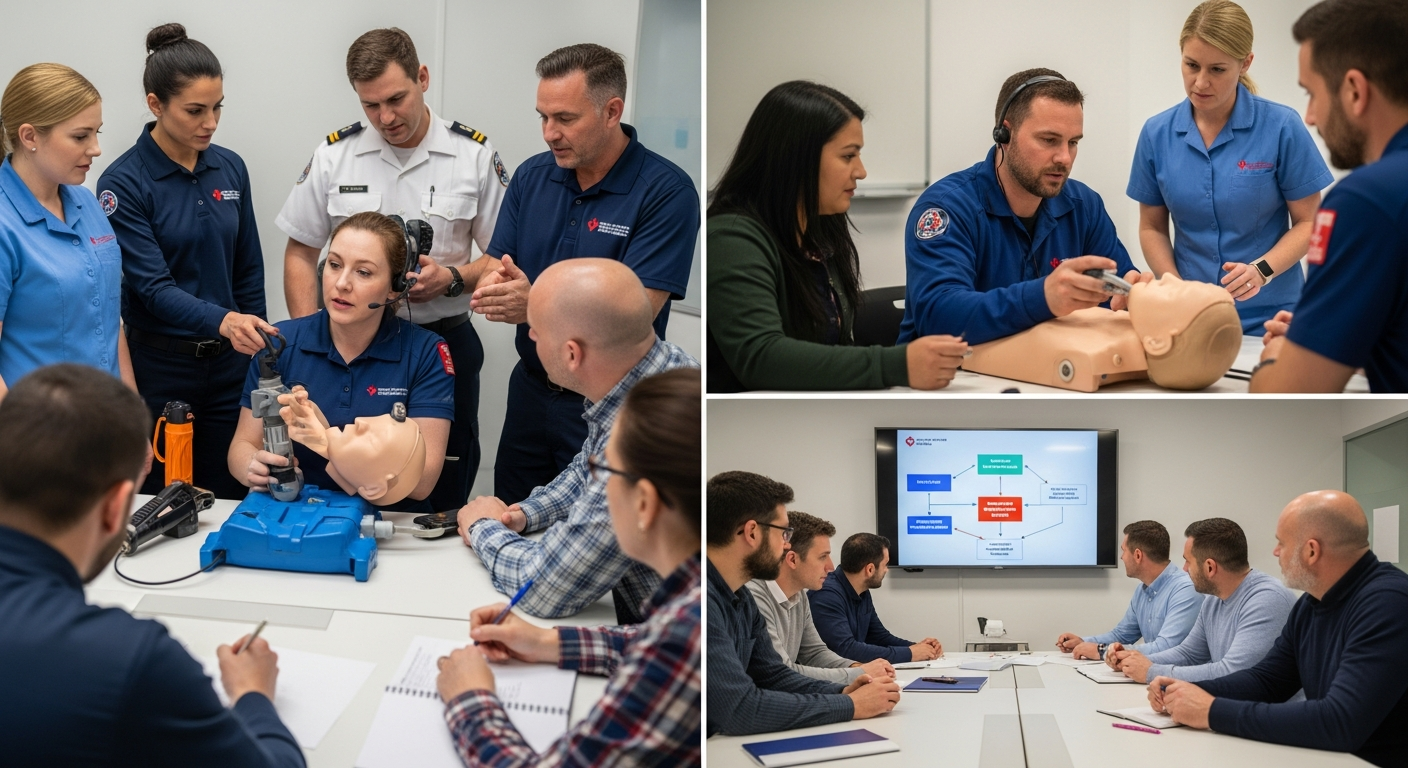
Empowering the Frontline: The Critical Role of Effective Training
Frontline workers are the backbone of any organization, serving as the direct interface between a business and its customers, products, or services. From retail associates and healthcare professionals to logistics personnel and manufacturing technicians, these individuals are vital to daily operations and customer satisfaction. Their actions directly impact brand reputation, efficiency, and safety. Yet, their training often faces unique challenges that can hinder their potential. In an increasingly dynamic business landscape, equipping these essential employees with the right skills, knowledge, and confidence through professional, engaging, and relevant training is not just beneficial—it's absolutely critical for success and sustainability.
Why Frontline Training is Crucial for Business Success
Effective training for frontline workers yields a cascade of positive outcomes that resonate throughout an organization.
Enhanced Customer Experience
Frontline staff are the face of your brand. Well-trained employees can confidently address customer queries, resolve issues efficiently, and provide an exceptional service experience, fostering loyalty and positive word-of-mouth. Inadequate training, conversely, can lead to frustrated customers and lost business.
Improved Safety and Compliance
In many sectors, frontline roles involve operating machinery, handling sensitive information, or adhering to strict health and safety protocols. Comprehensive training ensures workers understand and follow safety procedures, reducing accidents, minimizing risks, and ensuring compliance with industry regulations. This protects both employees and the business from potential liabilities.
Increased Efficiency and Productivity
Proper training equips workers with the skills to perform their tasks accurately and efficiently. This leads to fewer errors, less wasted time and resources, and improved operational workflows. When employees know exactly what to do and how to do it best, productivity naturally soars.
Reduced Turnover and Higher Morale
Investing in employee development shows staff that they are valued. This can significantly boost morale, job satisfaction, and commitment. Employees who feel competent and supported are more likely to stay with an organization, reducing the costly cycle of recruitment and retraining.
Adaptability to Change
The business world is constantly evolving, with new technologies, products, services, and procedures emerging regularly. Effective training programs ensure that frontline workers can quickly adapt to these changes, remaining agile and effective in their roles.
Common Challenges in Frontline Training
Despite its importance, training frontline staff comes with its own set of hurdles:
- Time Constraints: Frontline workers often operate on tight schedules, making it difficult to pull them away for lengthy training sessions.
- Diverse Learning Styles: A one-size-fits-all approach rarely works. Trainees come with varied educational backgrounds, technological proficiencies, and preferred learning methods.
- Engagement Issues: Traditional, passive training methods can lead to disengagement, poor retention, and a lack of application in real-world scenarios.
- Logistical Complexities: Coordinating training for a large, distributed workforce can be a significant operational challenge.
- Rapidly Evolving Information: In fast-paced industries, content can become outdated quickly, requiring continuous updates and refreshes.
Strategies for Delivering Impactful Frontline Training
Overcoming these challenges requires a modern, strategic approach to learning and development.
Embrace Microlearning
Break down complex topics into short, digestible modules. This approach, known as microlearning, is ideal for frontline workers who need to learn on the go or during short breaks. It focuses on single learning objectives, making information easier to absorb and retain. Consider utilizing a dedicated MaxLearn Microlearning Platform to deliver these bite-sized lessons effectively.
Leverage Gamification for Engagement
Transform learning into an interactive and enjoyable experience. Incorporating elements like points, badges, leaderboards, and challenges can significantly boost engagement and motivation. A Gamified LMS can make training feel less like a chore and more like an achievement, driving better completion rates and knowledge retention.
Implement Adaptive Learning Paths
Recognize that not all learners start from the same point or require the same information. Adaptive Learning tailors content delivery based on an individual's existing knowledge, performance, and learning pace. This personalized approach ensures workers receive the specific training they need, maximizing efficiency and relevance.
Focus on Scenario-Based & Hands-On Training
Theoretical knowledge is important, but practical application is paramount for frontline roles. Use simulations, role-playing, and hands-on exercises that mimic real-world situations. This helps workers develop problem-solving skills and gain confidence in their abilities before facing actual customer or operational challenges.
Ensure Continuous Learning and Refreshers
Training shouldn't be a one-off event. Regular refreshers, performance support tools, and ongoing learning opportunities are crucial to reinforce knowledge, update skills, and introduce new information as needed. This fosters a culture of continuous improvement.
Utilize Technology for Content Creation
Developing engaging and up-to-date training content can be resource-intensive. Tools like an AI Powered Authoring Tool can significantly streamline the content creation process, enabling L&D teams to quickly produce high-quality, relevant training materials, even for rapidly changing information.
Prioritize Risk-focused Training
For roles where safety, compliance, or critical decision-making is paramount, Risk-focused Training is indispensable. This type of training specifically addresses potential hazards, emergency procedures, and protocols for managing high-stakes situations, ensuring frontline workers are prepared to mitigate risks effectively and respond appropriately when challenges arise.
Gather Feedback and Assess Effectiveness
Regularly solicit feedback from trainees and supervisors. Implement assessments to gauge knowledge retention and skill application. This data is invaluable for refining training programs, identifying areas for improvement, and demonstrating ROI.
Implementing a Modern Training Solution
To effectively implement these strategies, organizations should seek out a robust Learning Management System (LMS) that caters specifically to the needs of frontline workers. Key features to look for include:
- Mobile accessibility, allowing training anytime, anywhere.
- Intuitive user interface for ease of use.
- Support for various content formats (videos, quizzes, interactive modules).
- Robust reporting and analytics capabilities.
- Scalability to accommodate growing workforces.
- Integration capabilities with existing HR systems.
Conclusion
Frontline workers are the unsung heroes who keep businesses running and customers happy. Investing in their training is not merely an expense; it's a strategic investment in the future of your organization. By adopting modern, engaging, and adaptive training methodologies—such as microlearning, gamification, and AI-powered content creation—businesses can empower their frontline teams to excel, enhance operational efficiency, improve customer satisfaction, and build a resilient workforce ready to face any challenge. Prioritizing effective and continuous training is key to unlocking the full potential of your most valuable asset: your people on the frontline.
.jpg)


