

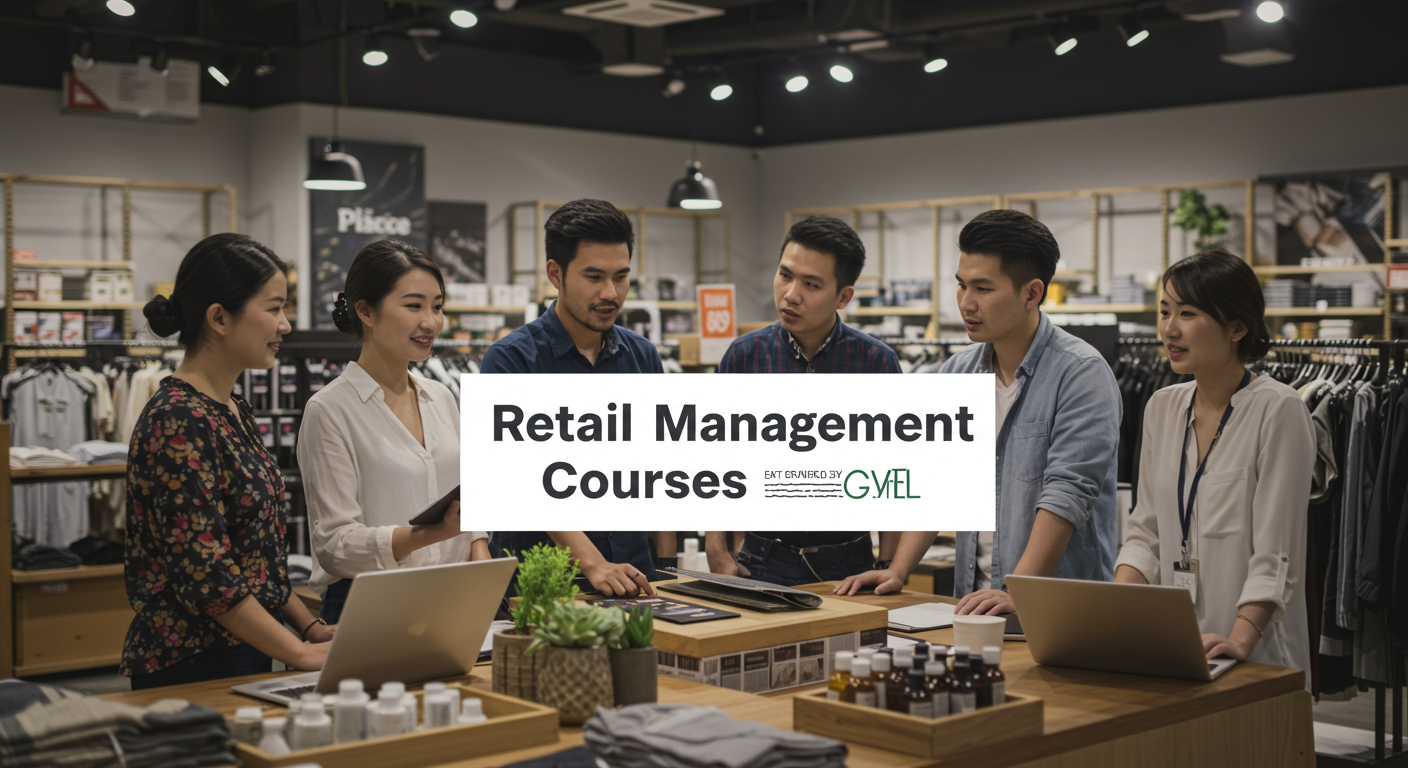
Mastering the Modern Marketplace: Why Retail Management Courses Are Essential
In the dynamic world of commerce, the retail sector stands as a colossal engine driving economies and shaping consumer experiences. From bustling storefronts to sophisticated e-commerce platforms, retail is a complex ecosystem demanding a unique blend of strategic foresight, operational excellence, and unparalleled customer focus. As this industry continues its rapid evolution, fueled by technological advancements and shifting consumer behaviors, the demand for skilled professionals capable of navigating its intricacies has never been higher. This is precisely where specialized retail management courses become not just beneficial, but absolutely essential for aspiring leaders and seasoned veterans alike.
A comprehensive retail management education equips individuals with the knowledge and tools to excel in this competitive landscape, transforming challenges into opportunities and driving sustainable growth. It's about more than just selling products; it's about understanding market trends, managing intricate supply chains, fostering exceptional customer loyalty, and harnessing the power of data to make informed decisions.
What is Retail Management?
Retail management encompasses the entire spectrum of processes involved in successfully running a retail business. It's an expansive field that requires overseeing everything from product procurement and inventory control to sales, marketing, human resources, and customer service. At its core, retail management is about maximizing profitability while consistently delivering value and satisfaction to the customer. It involves strategic planning to meet sales targets, optimizing store layouts for enhanced shopping experiences, managing diverse teams, and adapting to technological shifts like omnichannel retailing and personalization.
The modern retail manager is not just an administrator but a visionary, a problem-solver, and a data analyst, all rolled into one. They must possess the agility to respond to real-time market changes, the empathy to understand diverse customer needs, and the leadership to inspire their teams to deliver peak performance.
Why Pursue Retail Management Courses?
Investing in a retail management course is an investment in your career and the future of the retail sector. These programs offer a structured pathway to acquire specialized knowledge and practical skills that are directly applicable to real-world retail challenges.
Career Advancement and Leadership Opportunities
For those looking to move beyond entry-level positions, retail management courses provide the foundational knowledge and strategic thinking required for leadership roles such as store manager, district manager, buyer, merchandiser, or even executive positions. They help build a robust understanding of business operations, financial management, and people leadership, paving the way for significant career progression.
Adapt to Industry Evolution
The retail landscape is constantly changing. E-commerce, mobile shopping, social commerce, and artificial intelligence are not just buzzwords but integral parts of today’s retail strategy. Modern courses keep you abreast of these changes, providing insights into digital marketing, data analytics, supply chain innovations, and consumer psychology. This prepares you to implement cutting-edge strategies and stay competitive.
Develop Essential Soft Skills
Beyond technical knowledge, these courses often emphasize the development of critical soft skills. Communication, negotiation, problem-solving, decision-making, team leadership, and conflict resolution are paramount in managing diverse teams and interacting with customers. Practical exercises, case studies, and group projects within the curriculum help hone these indispensable skills.
Networking Opportunities
Enrolling in a reputable program connects you with industry professionals, experienced faculty, and a cohort of peers who share similar career aspirations. This network can be invaluable for mentorship, job opportunities, and collaborative ventures throughout your career.
Key Topics Covered in Retail Management Courses
A comprehensive retail management curriculum typically covers a broad array of subjects designed to provide a holistic understanding of the business.
Store Operations and Management
This module delves into the day-to-day running of a retail outlet, including staffing, scheduling, inventory receiving, store maintenance, security, and compliance with regulations. It focuses on optimizing efficiency and ensuring a smooth customer journey.
Merchandising and Inventory Management
Students learn the art and science of product selection, display, pricing, and promotion. This also includes crucial aspects of inventory control, demand forecasting, stock replenishment, and loss prevention to maximize sales and minimize waste.
Customer Experience and Service Excellence
Understanding customer behavior, building loyalty programs, handling complaints effectively, and creating memorable shopping experiences are central to this area. The focus is on turning one-time buyers into lifelong advocates.
Retail Marketing and Branding
From traditional advertising to digital marketing strategies, social media engagement, and brand storytelling, this component covers how to attract, engage, and retain customers through effective communication and consistent brand identity.
Retail Technology and E-commerce
Exploring point-of-sale (POS) systems, customer relationship management (CRM) software, e-commerce platforms, data analytics tools, and mobile retail strategies prepares students for the digital-first retail environment.
Financial Management for Retail
This module teaches budgeting, sales forecasting, profit and loss analysis, managing operational costs, and understanding key financial metrics crucial for business sustainability and growth.
Supply Chain and Logistics in Retail
Students gain insight into the intricate network of suppliers, distributors, and logistics providers that bring products from manufacturer to customer, focusing on efficiency, cost-effectiveness, and timely delivery.
Who Should Enroll?
Retail management courses cater to a diverse audience:
- Aspiring Retail Professionals: Individuals new to the industry who want a strong foundation.
- Current Retail Employees: Sales associates, team leaders, or department managers seeking advancement.
- Entrepreneurs: Those planning to launch their own retail venture.
- Career Changers: Professionals from other fields looking to transition into the dynamic retail sector.
Choosing the Right Retail Management Course
When selecting a retail management course, consider several factors to ensure it aligns with your career goals and learning style:
- Curriculum Relevance: Ensure the course content is up-to-date and covers modern retail practices, including e-commerce and digital strategies.
- Faculty Expertise: Look for instructors with significant industry experience who can provide real-world insights.
- Practical Experience: Programs that offer internships, case studies, or practical projects provide invaluable hands-on experience.
- Learning Format: Decide if an on-campus, online, or hybrid program best suits your schedule and learning preferences. For busy professionals, online learning platforms offer unparalleled flexibility. Many leverage a MaxLearn Microlearning Platform to deliver digestible, impactful content. These platforms often feature a Gamified LMS to boost engagement and retention.
- Accreditation and Recognition: Verify the course or institution's accreditation to ensure the qualification is widely recognized and respected. Look for courses that employ Adaptive Learning methodologies, tailoring content to individual progress and needs. The best programs also utilize advanced tools, such as an AI Powered Authoring Tool, to create dynamic and relevant learning materials quickly.
The Future of Retail and Continuous Learning
The retail landscape is in a constant state of flux. Consumer expectations are higher, technology is advancing at an unprecedented pace, and global events can reshape markets overnight. In an industry characterized by rapid shifts, continuous learning is not a luxury but a necessity. Retail leaders must stay ahead of trends, adapt to new technologies, and anticipate market changes. This often means engaging in ongoing professional development, seeking out specialized certifications, and utilizing modern learning solutions.
Embracing a mindset of lifelong learning ensures that retail professionals remain agile, innovative, and resilient in the face of disruption. Investing in Risk-focused Training, for instance, can equip managers to navigate economic downturns, supply chain disruptions, and evolving consumer preferences with greater resilience. The future of retail belongs to those who are prepared to learn, unlearn, and relearn continually.
Conclusion
Retail management courses are more than just academic pursuits; they are strategic investments in a thriving career within one of the world's most exciting and impactful industries. By providing a blend of theoretical knowledge and practical skills, these programs empower individuals to become effective leaders, innovators, and problem-solvers in a sector that continues to redefine itself. Whether you're aiming for a promotion, planning a career shift, or looking to sharpen your entrepreneurial edge, a specialized education in retail management is your gateway to mastering the modern marketplace and shaping the future of commerce.
.jpg)


