

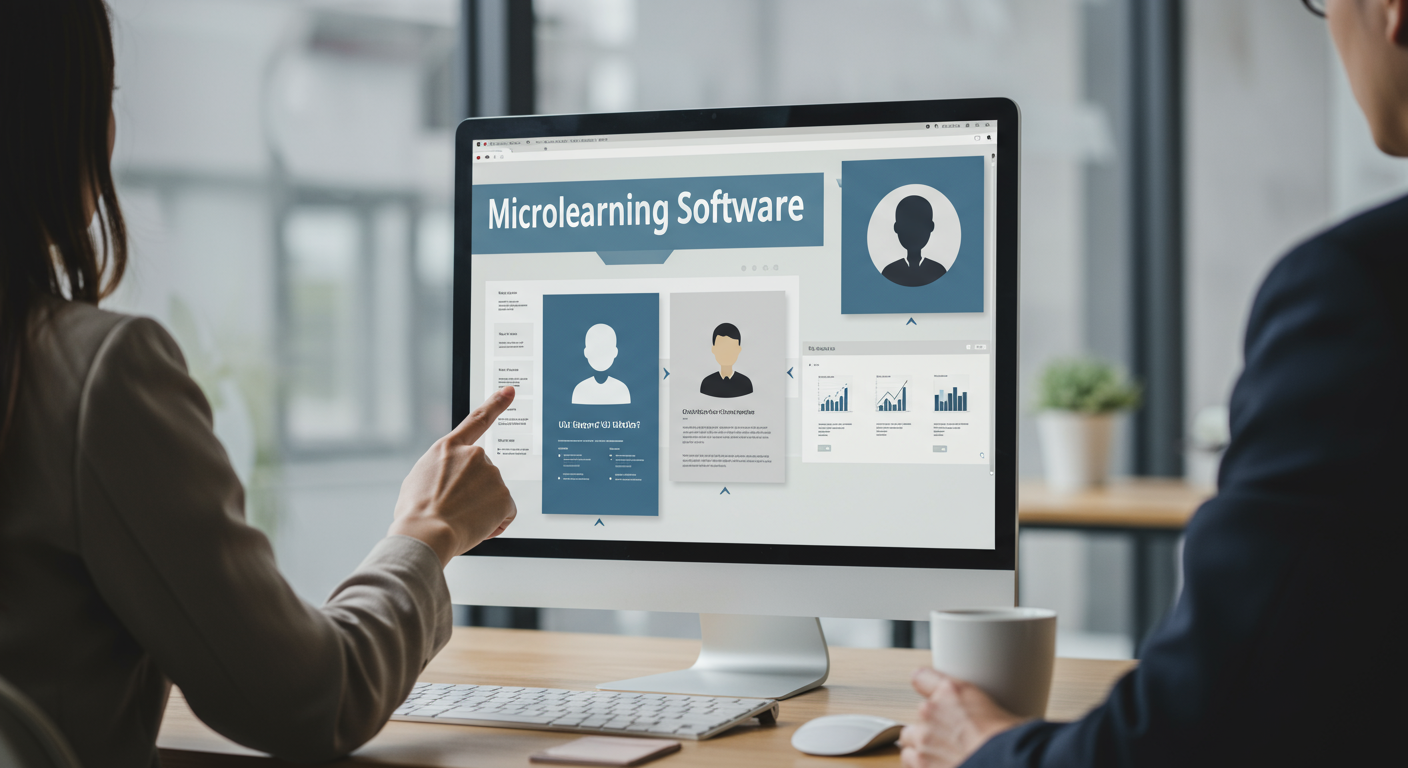
Unlocking Learning Potential: The Transformative Power of Microlearning Software
In a world that thrives on speed and efficiency, traditional long-form learning methods often fall short of meeting the demands of modern learners and organizations. Attention spans are shrinking, knowledge gaps emerge rapidly, and the need for continuous skill development has never been more critical. Enter Microlearning Software – a revolutionary approach to education and training that delivers knowledge in digestible, bite-sized chunks, perfectly suited for the contemporary digital landscape.
This article delves into the essence of microlearning software, exploring its core functionalities, the profound benefits it offers, and why it has become an indispensable tool for businesses, educators, and individuals alike. If you're looking to enhance engagement, boost knowledge retention, and create a truly agile learning environment, understanding the power of microlearning is your first step.
What Exactly is Microlearning Software?
At its heart, microlearning software is a specialized platform designed to deliver learning content in short, focused bursts, typically ranging from a few seconds to 10 minutes. Unlike a conventional Learning Management System (LMS) that might host lengthy courses, microlearning software prioritizes conciseness, relevance, and immediate applicability. It’s about delivering "just-in-time" and "just-enough" information to address specific learning objectives or performance gaps.
These platforms leverage various multimedia formats – short videos, interactive quizzes, infographics, quick simulations, and brief articles – to convey key concepts efficiently. The goal is to make learning accessible, engaging, and integrated seamlessly into the learner's workflow or daily routine, rather than requiring significant dedicated time away from other tasks.
Why Microlearning Software Now? The Modern Learning Landscape
The rise of microlearning software isn't just a trend; it's a direct response to fundamental shifts in how we work, live, and consume information:
- Shrinking Attention Spans: The digital age has conditioned us to process information quickly. Microlearning aligns with this reality, making learning less intimidating and more approachable.
- Need for Continuous Learning: Industries evolve at a breakneck pace, necessitating constant upskilling and reskilling. Microlearning provides a flexible way to stay current without extensive time commitments.
- Mobile-First Culture: Most microlearning solutions are optimized for mobile devices, allowing learners to access content anytime, anywhere – during a commute, between meetings, or on a coffee break.
- Workforce Demands: Employees need quick access to specific information to perform their jobs effectively. Microlearning facilitates this by providing targeted knowledge on demand.
- Cost and Time Efficiency: Developing and delivering microlearning content can often be more cost-effective and faster than creating elaborate traditional courses, offering a higher ROI for training initiatives.
Key Features of Effective Microlearning Software
A robust Microlearning Platform typically boasts a suite of features designed to maximize learning impact and user experience:
Bite-sized Content Delivery
This is the cornerstone. The software must be adept at hosting and delivering short modules that convey specific learning points. Think about concise video tutorials, quick interactive lessons, and summary infographics.
Interactive and Engaging Formats
To combat disengagement, leading platforms incorporate elements that make learning fun and sticky. This often includes features found in a Gamified LMS, such as points, badges, leaderboards, challenges, and interactive quizzes that provide immediate feedback, transforming learning into an enjoyable and competitive experience.
Personalization and Adaptability
One size rarely fits all in learning. Advanced microlearning software uses algorithms to tailor content pathways to individual learner needs, preferences, and performance. This is the essence of Adaptive Learning, ensuring that learners receive content most relevant to their unique learning journey and skill gaps.
Robust Authoring Tools
The ability to create high-quality, engaging microlearning content quickly is crucial. Modern platforms feature intuitive authoring tools, and some even go a step further by incorporating an AI Powered Authoring Tool. This can significantly reduce development time and costs by assisting with content generation, structuring, and even identifying optimal learning pathways.
Analytics and Reporting
Effective microlearning software provides comprehensive analytics dashboards. These tools allow administrators to track learner progress, identify areas of difficulty, measure engagement rates, and assess the overall effectiveness of the training. This data is invaluable for refining content and proving ROI.
Mobile Accessibility
Given the on-the-go nature of modern learning, seamless functionality across all devices – smartphones, tablets, and desktops – is non-negotiable. Content must be responsive and accessible at any time, from anywhere.
Benefits of Implementing Microlearning Software
Adopting a microlearning strategy with specialized software yields a multitude of advantages:
- Improved Knowledge Retention: Shorter learning bursts reduce cognitive overload, making information easier to absorb and recall.
- Higher Engagement Rates: Interactive, gamified, and relevant content keeps learners motivated and actively participating.
- Reduced Training Time & Costs: Efficient content creation and quicker consumption translate to significant savings in both time and budget.
- Enhanced Learner Satisfaction: Learners appreciate the flexibility and convenience of learning on their own terms.
- Quick Skill Development: Address skill gaps rapidly, allowing employees to apply new knowledge almost immediately.
- Supports Compliance & Risk-focused Training: Deliver critical updates and compliance training effectively and frequently, ensuring employees are always up-to-date on essential procedures and regulations.
Choosing the Right Microlearning Platform
Selecting the ideal microlearning software requires careful consideration of your organization's specific needs and goals. Here are key factors to evaluate:
- Ease of Use: For both learners and administrators. Intuitive interfaces are key.
- Content Creation Capabilities: Does it have robust built-in authoring tools, or does it integrate well with external ones?
- Integration: Can it integrate with your existing HR systems, CRM, or other essential business tools?
- Scalability: Can the platform grow with your organization's needs, accommodating more users and content?
- Reporting and Analytics: Does it provide the data insights you need to measure impact?
- Support and Community: Look for responsive customer support and a community of users for best practices.
Real-World Applications of Microlearning Software
Microlearning software is incredibly versatile and applicable across various sectors:
- Corporate Training: Onboarding new employees, sales training, product knowledge updates, leadership development, and compliance training.
- Customer Education: Providing quick tutorials and FAQs for product use, troubleshooting, and feature adoption.
- Healthcare: Delivering vital updates on medical procedures, new equipment, and patient care protocols to busy medical professionals.
- Education: Supplemental learning, concept reinforcement, and test preparation for students.
- Field Service: Providing "just-in-time" repair guides or technical specifications to technicians on site.
The Future of Learning is Micro
As the pace of change continues to accelerate, the demand for adaptable, efficient, and learner-centric education will only grow. Microlearning software stands at the forefront of this evolution, offering a sustainable and effective model for continuous professional development and personal growth. It empowers individuals and organizations to stay agile, informed, and competitive in an ever-evolving world.
Conclusion
Microlearning software is more than just a passing trend; it's a fundamental shift in how we approach learning and development. By breaking down complex information into digestible, engaging modules, these platforms unlock higher engagement, better retention, and more efficient skill acquisition. For any organization serious about fostering a culture of continuous learning and maximizing its human potential, investing in the right microlearning solution is not just an option—it's a strategic imperative for future success.
.jpg)


