

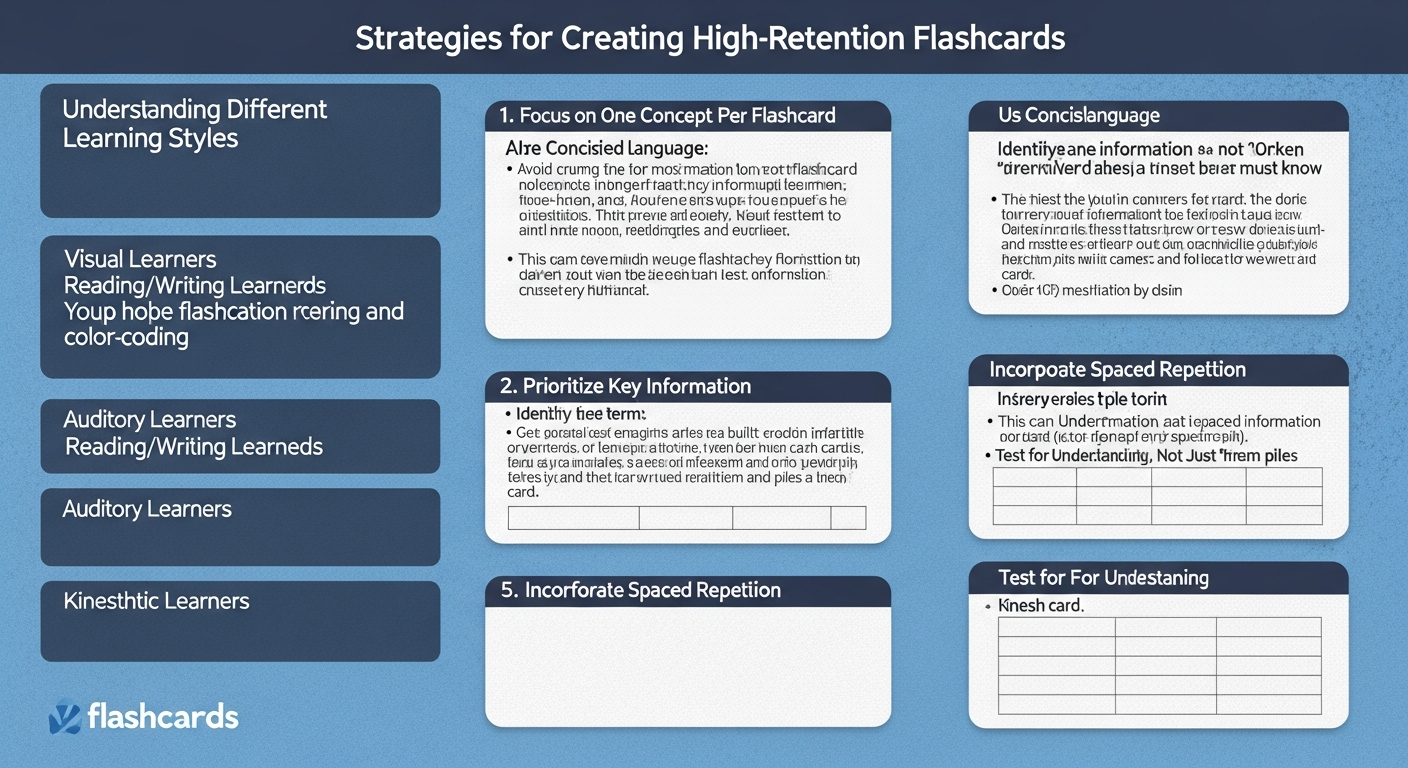
How to Create High-Retention Flashcards for Every Type of Workplace Learner
In today's fast-paced corporate environment, where knowledge is power and continuous learning is non-negotiable, L&D leaders face a persistent challenge: ensuring that training sticks. For Vice Presidents, Directors, and Senior Managers in L&D across industries like Compliance, Sales, Banking, Finance, Insurance, Retail, Pharma, Healthcare, Hospitality, Oil and Gas, and Mining, the goal isn't just to deliver content, but to embed it deeply into the minds of their teams. Traditional learning methods often fall short, leading to forgotten information and underutilized skills. This is where the humble flashcard, reimagined and strategically deployed, emerges as a powerful tool for creating truly Microlearning LMS content and high-retention learning.
Far from a relic of academic rote memorization, modern flashcards, especially when integrated into a sophisticated learning management system (LMS), offer an unparalleled method for efficient, personalized, and effective knowledge acquisition. This article will guide L&D professionals through crafting flashcards that resonate with every type of workplace learner, ensuring maximum recall and practical application.
The Cognitive Powerhouse: Why Flashcards Boost Retention
The effectiveness of flashcards isn't anecdotal; it's rooted in robust cognitive science, primarily the principles of active recall and spaced repetition. Active recall forces learners to retrieve information from memory rather than passively re-reading it, strengthening neural pathways. Spaced repetition, on the other hand, strategically reintroduces information at increasing intervals, targeting the moments just before a learner is likely to forget. Together, these mechanisms transform short-term memory into long-term knowledge retention.
For industries grappling with complex regulations (Compliance, Finance), vast product knowledge (Sales, Pharma, Retail), or critical safety protocols (Healthcare, Oil and Gas, Mining), this scientific approach to learning is invaluable. A well-designed learning content management system (LCMS) can manage and deploy these flashcards efficiently, becoming a central component of an enterprise learning strategy.
Understanding Your Diverse Workplace Learners
Workforces are inherently diverse, comprising individuals with varied backgrounds, experiences, and—crucially—learning preferences. To create high-retention flashcards, it's essential to understand the primary learning styles:
- Visual Learners: Absorb information best through images, diagrams, charts, and videos.
- Auditory Learners: Learn effectively by listening to spoken words, discussions, and audio explanations.
- Reading/Writing Learners: Prefer information presented as text, enjoying reading, taking notes, and writing summaries.
- Kinesthetic (Tactile) Learners: Learn best through doing, hands-on activities, simulations, and interactive experiences.
An effective lms learning management system acknowledges this diversity, offering flexible content formats. The challenge for L&D is to create flashcards that cater to all these styles simultaneously, maximizing engagement and retention across the board.
Strategic Elements for High-Retention Flashcard Creation
1. Keep it Concise and Focused
Each flashcard should target a single, clear concept. Overloading a card dilutes its effectiveness for active recall. Think micro-lessons – digestible chunks of information that can be easily remembered and retrieved. This approach aligns perfectly with the principles of Microlearning LMS.
2. Embrace Multimedia Richness
For visual learners, incorporate relevant images, infographics, and short video clips. Auditory learners benefit from audio prompts, pronunciations (especially critical in Pharma or Healthcare), or concise explanations. This multi-sensory approach caters to diverse preferences and enhances memorability. Imagine a flashcard for a banking professional showing a quick animation of a financial transaction, or a healthcare worker seeing a diagram of an anatomical structure.
3. Vary Question Formats
Beyond simple question-and-answer, utilize multiple-choice, true/false, fill-in-the-blank, and even short open-ended questions that encourage critical thinking. This engages different cognitive processes and prevents monotony.
4. Integrate Scenarios and Case Studies
Contextual learning is powerful. For Compliance, Banking, Finance, or any industry with complex decision-making, present a mini-scenario on one side of the flashcard and ask for the correct action or regulation on the other. This translates theoretical knowledge into practical application, reducing risks through Risk-focused Training.
5. Gamify the Experience
Turn flashcard review into an engaging challenge. Incorporate points, streaks, badges, or leaderboards. A Gamified LMS can transform the often-tedious process of review into an enjoyable competition, significantly boosting motivation and sustained engagement.
6. Provide Immediate, Constructive Feedback
After a learner attempts an answer, instant feedback is crucial. Not just 'right' or 'wrong', but explanations, references to source material, or further context. This immediate reinforcement solidifies correct understanding and rectifies misconceptions promptly.
7. Implement Spaced Repetition Systems (SRS)
While the concept is simple, the execution of optimal spaced repetition can be complex. Modern learning management software can automatically schedule reviews based on a learner's performance, ensuring that challenging cards appear more frequently and mastered cards less often. This intelligent scheduling is key to long-term retention.
Tailoring Flashcards with Technology for Optimal Impact
The true power of high-retention flashcards is unleashed when combined with modern eLearning technology, particularly an advanced cloud based learning management system.
Leveraging AI for Next-Generation Flashcards
Artificial Intelligence (AI) is transforming how we create, deliver, and optimize learning content, making it a game-changer for flashcard development:
- Personalized Content Creation: AI can analyze learner data to identify knowledge gaps and generate tailored flashcards addressing specific weaknesses.
- Adaptive Delivery: An AI-powered learning management solutions system can dynamically adjust the difficulty and frequency of flashcards based on individual performance, providing truly Adaptive Learning paths.
- Automated Content Generation: With an AI Powered Authoring Tool, L&D teams can rapidly convert existing training materials (e.g., manuals, videos, presentations) into interactive flashcard decks, saving immense time and resources.
- Predictive Analytics: AI can predict when a learner is likely to forget information, prompting timely review and intervention, crucial for high-stakes industries.
Intelligent Questions for L&D Leaders: Unlocking Potential
As L&D leaders consider integrating these advanced methods, certain questions naturally arise regarding the intelligent application of technology:
A question often asked by L&D leaders: How can artificial intelligence revolutionize learning content development and retention?
Artificial intelligence empowers L&D teams to move beyond manual content creation, offering an AI Powered Authoring Tool that rapidly transforms raw data into engaging flashcards. It personalizes learning paths, ensuring that each employee receives content most relevant to their role and knowledge gaps, ultimately leading to superior retention within the learning content management system.
Considering diverse global teams, what smart strategies ensure flashcards are always relevant and impactful to specific groups and industries?
Intelligent systems analyze learner demographics, performance data, and job roles to deliver contextually appropriate content. This means a flashcard for a sales professional in one region might be subtly different from one for a compliance officer in another, reflecting local regulations or market nuances. This capability is essential for effective enterprise learning management across varied industries like Hospitality or Oil and Gas, adapting content automatically based on their specific needs and location.
Many inquire about optimal learning paths: How do intelligent systems fine-tune flashcard delivery to maximize individual knowledge retention and skill acquisition?
Intelligent systems leverage sophisticated algorithms to analyze learning patterns, predict forgetting curves, and dynamically adjust spaced repetition intervals for each individual. By understanding exactly when and what a learner needs to review, these systems ensure that every interaction is maximally effective, turning rote memorization into true Adaptive Learning and delivering profound results within a modern cloud based learning management system.
Implementing for Success: Best Practices
- Pilot Programs: Test new flashcard strategies with a small group to gather feedback and refine the approach before a full rollout.
- Integrate Seamlessly: Ensure flashcard modules are fully integrated with your existing LMS, such as MaxLearn LMS, allowing for centralized tracking, reporting, and learner management.
- Encourage User-Generated Content: Empower employees to create and share flashcards on specific topics, fostering a culture of peer learning and knowledge sharing.
- Regular Updates: Especially in industries like Pharma, Finance, or Compliance, content changes frequently. Establish a process for regularly updating flashcards to maintain accuracy and relevance.
Conclusion
The strategic deployment of high-retention flashcards, powered by the latest in eLearning technology, offers L&D leaders a potent solution to the perennial challenge of knowledge retention. By understanding diverse learner types and leveraging the scientific principles of active recall and spaced repetition, enhanced by AI and a robust learning management system, organizations can transform their training programs.
Investing in tools that facilitate the creation and delivery of intelligent, personalized flashcards is not just about adopting a new learning method; it's about making a strategic move towards a more knowledgeable, skilled, and resilient workforce. Explore how a modern MaxLearn LMS can empower your team to create engaging, high-retention learning experiences for every type of workplace learner, driving performance and competitive advantage across all your enterprise segments.
.jpg)


