

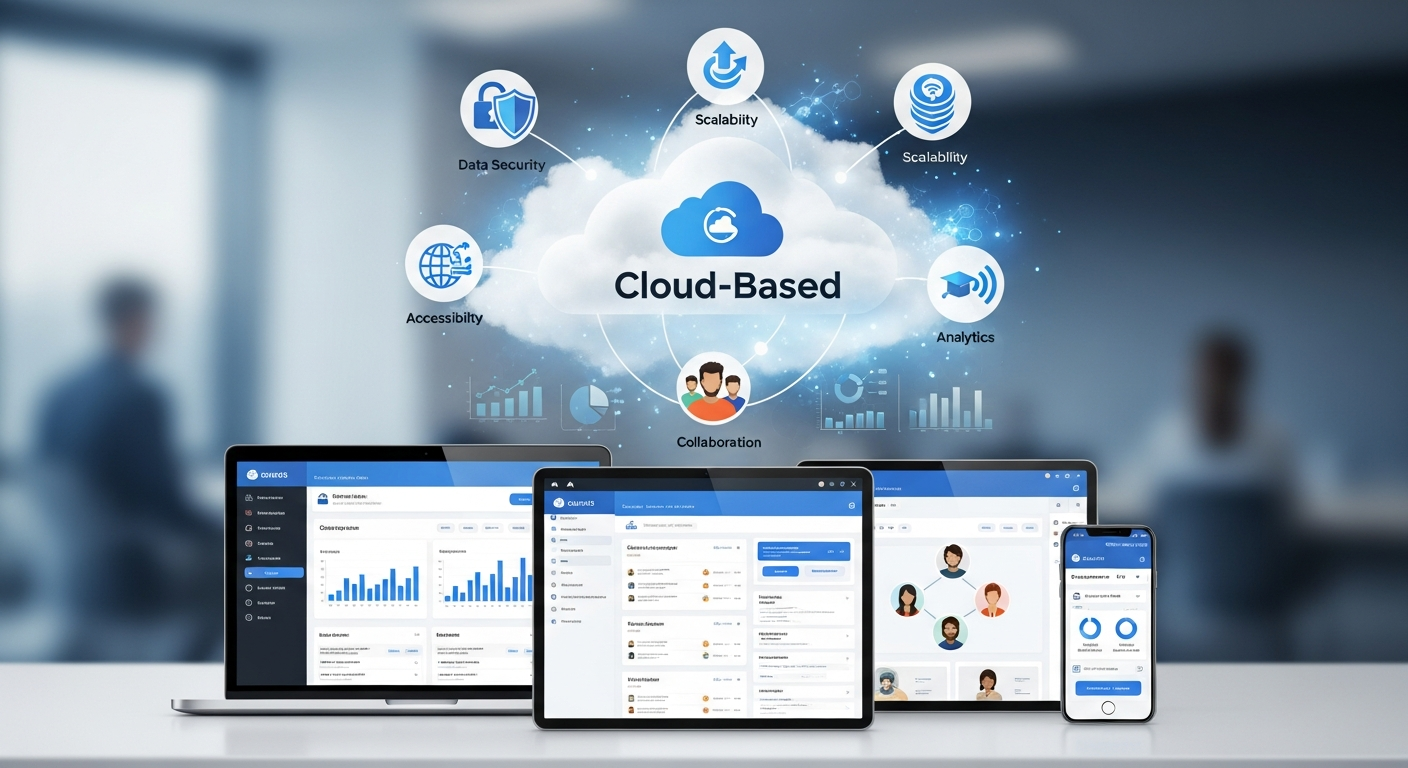
Unlocking Strategic Advantage: The Power of a Cloud Based Learning Management System for Enterprise L&D
In today's fast-paced corporate environment, the efficacy and agility of learning and development (L&D) programs are paramount for organizational success. Vice Presidents, Directors, and Senior Managers of L&D are constantly seeking innovative solutions to empower their workforce, ensure compliance, drive sales performance, and foster continuous growth. This is where a cloud based learning management system emerges not just as a tool, but as a strategic imperative.
Traditional learning infrastructure often struggles with scalability, accessibility, and the rapid deployment of critical training. An on-premise learning management system can be a bottleneck, demanding significant IT resources, hefty upfront investments, and constant maintenance. The modern enterprise requires a more dynamic, flexible, and intelligent approach to talent development.
What Exactly is a Cloud Based Learning Management System?
At its core, a cloud based learning management system (LMS) is a software application for the administration, documentation, tracking, reporting, and delivery of educational courses or training programs, hosted entirely on the internet. Unlike traditional software installed on local servers, a cloud LMS is accessed via a web browser, meaning your organization's learning content and user data reside securely in the cloud.
This approach fundamentally transforms how L&D teams operate, offering unparalleled ease of access, robust scalability, and significant cost efficiencies. It functions as a centralized hub for all your enterprise learning management needs, from onboarding new hires to continuous professional development.
Why Cloud Matters for Modern Enterprise L&D
For L&D leadership navigating complex organizational structures and diverse learning needs, the benefits of a cloud learning management software are transformative:
- Unmatched Scalability and Flexibility: Whether you're training a small team or thousands of employees across global offices, a cloud-based solution effortlessly scales to meet demand. This is crucial for industries like Retail with seasonal hiring fluctuations, or Pharma and Banking with evolving regulatory landscapes.
- Global Accessibility, Anytime, Anywhere: Employees can access training materials from any device, at any time, in any location. This empowers remote workforces, supports international teams, and ensures that critical information, such as Compliance or Health care protocols, is always available.
- Significant Cost Efficiency: By eliminating the need for expensive hardware, server maintenance, and dedicated IT staff, a cloud LMS shifts capital expenditures (CapEx) to predictable operational expenses (OpEx), freeing up budget for content creation and strategic initiatives.
- Rapid Deployment and Updates: Implement new training programs and update existing ones almost instantly. This agility is vital for industries like Finance and Insurance, where regulations change frequently, or Sales, where product knowledge needs constant refreshing. Security patches and feature enhancements are also handled automatically by the provider.
- Data-Driven Insights and Analytics: Advanced reporting features provide deep insights into learner progress, engagement levels, and training effectiveness. L&D leaders can track completion rates for Risk-focused Training, identify knowledge gaps, and demonstrate the ROI of their programs.
Key Features to Look for in a Cloud LMS
When evaluating learning management solutions, consider these essential features:
- Intuitive User Interface: A clean, easy-to-navigate interface encourages learner adoption and reduces support queries.
- Robust Content Management (LCMS capabilities): The best systems integrate robust learning content management system (LCMS) functionalities, allowing L&D teams to create, store, and manage a vast library of learning materials efficiently.
- Mobile Learning Support: With a growing mobile workforce, responsive design for smartphones and tablets is non-negotiable.
- Integration Capabilities: Seamless integration with existing HRIS, CRM, and other enterprise systems streamlines workflows and data synchronization.
- Advanced Engagement Tools: Look for features like Gamified LMS elements to boost motivation and Microlearning LMS capabilities for digestible, on-demand content.
- Personalization and Adaptive Learning: Tailoring content to individual learner needs maximizes impact.
Cloud LMS Across Diverse Industries
The versatility of a cloud based lms learning management system makes it indispensable across various sectors:
- Compliance-Heavy Industries (Banking, Finance, Insurance, Pharma, Healthcare, Oil and Gas, Mining): Ensures employees are up-to-date with ever-changing regulations and certifications. Risk-focused Training can be deployed rapidly and tracked meticulously, mitigating organizational exposure.
- Sales-Driven Organizations (Retail, Pharma, Banking): Delivers product knowledge, sales methodologies, and soft skills training directly to sales teams, impacting revenue generation. Rapid content creation with an AI Powered Authoring Tool ensures sales enablement content is always current.
- Service Industries (Hospitality): Standardizes service excellence, operational procedures, and employee onboarding, crucial for brand consistency and customer satisfaction.
AI in Cloud-Based Learning: The Future is Now
The integration of Artificial Intelligence (AI) takes a cloud LMS from effective to revolutionary. L&D leaders are increasingly asking:
How can artificial intelligence personalize the learning journey for each employee?
AI algorithms can analyze a learner's past performance, preferences, job role, and career goals to recommend highly relevant content and construct truly Adaptive Learning paths. This ensures that every learner receives training precisely tailored to their needs, boosting engagement and retention, and maximizing their development impact within the organization.
What impact does AI have on content creation and delivery, especially for dynamic industries?
AI can significantly accelerate content development. An AI Powered Authoring Tool can help L&D teams rapidly generate initial drafts of courses, quizzes, or even micro-learning modules based on existing documentation or prompts. This is invaluable for industries like Oil and Gas or Mining, where operational procedures are complex and often updated, or in Healthcare, where medical advancements require constant training refreshers. Furthermore, AI can optimize content delivery, suggesting the best format (video, text, interactive) and timing for each learner.
How can AI enhance the relevance and effectiveness of training for specific roles or locations within a global enterprise?
AI-driven analytics can identify critical skills gaps unique to specific departments, roles, or geographical regions. For instance, in an international Banking firm, AI could highlight distinct compliance training needs for employees in different countries, ensuring localized and relevant programs. It can also help identify high-performing learning strategies for specific cohorts, allowing L&D to replicate success across the enterprise.
Can AI assist L&D in proactively identifying and addressing emerging skill requirements or compliance changes?
Absolutely. AI can monitor external trends, industry news, and internal performance data to predict future skill demands or impending regulatory changes. This foresight allows L&D teams to develop proactive training programs, such as new Risk-focused Training, before they become urgent, ensuring the workforce is always prepared and compliant. This proactive capability transforms L&D from a reactive function into a strategic foresight partner.
Choosing the Right Cloud LMS Partner
Selecting the ideal cloud based enterprise learning management solution requires careful consideration. Look beyond features to the provider's reputation, customer support, and commitment to innovation. Solutions like MaxLearn LMS exemplify a comprehensive approach, offering a robust platform designed for the complexities of modern corporate learning.
Your chosen learning management software should be a partner in your L&D strategy, not just a vendor. It should empower your team to focus on pedagogical excellence and strategic impact, rather than administrative overhead.
Conclusion
For L&D Vice Presidents, Directors, and Managers, the decision to adopt a cloud based learning management system is a strategic investment in the future of their organization. It promises not just operational efficiencies but unlocks the potential for truly personalized, engaging, and impactful learning experiences across every segment and industry. By embracing the cloud and leveraging intelligent features, L&D leaders can solidify their role as essential drivers of business performance, innovation, and competitive advantage.
.jpg)


