

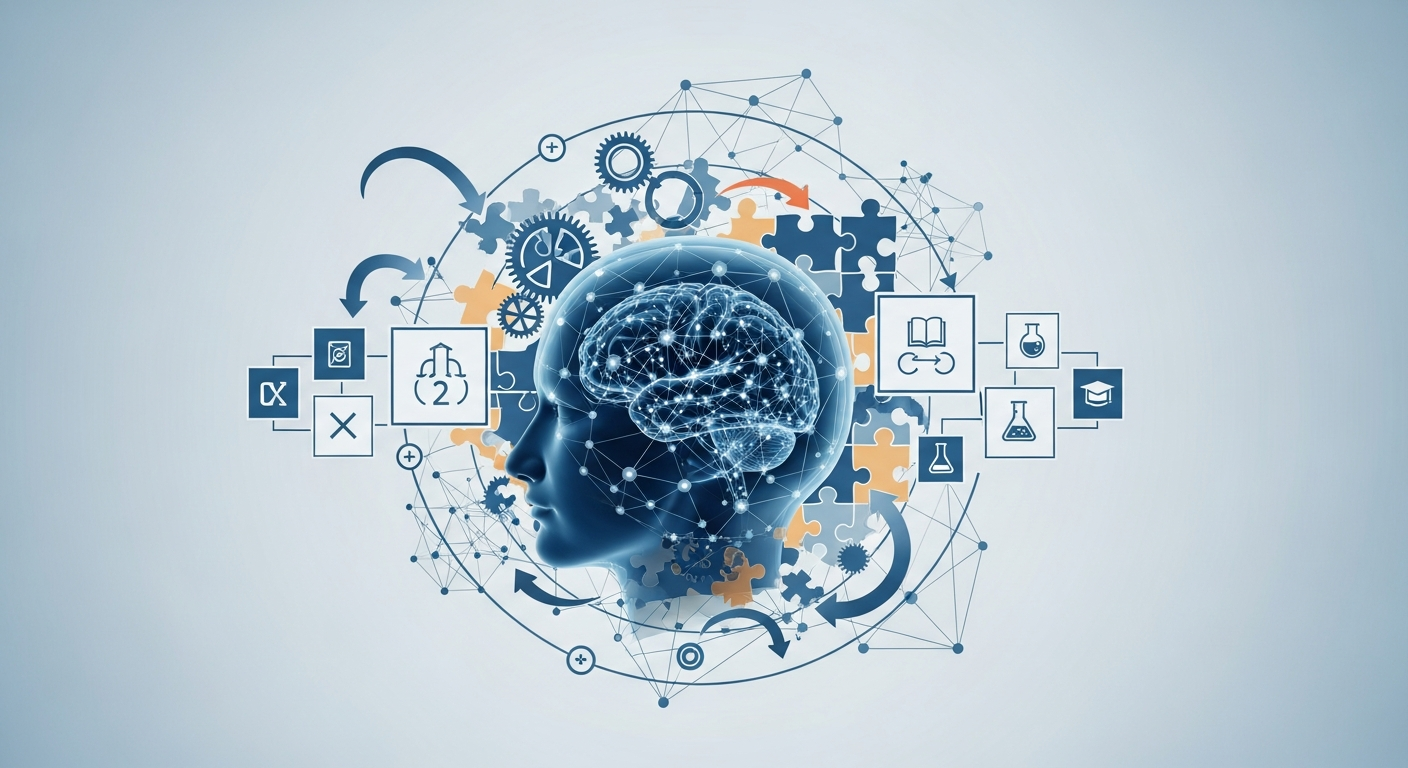
Building Cognitive Connections: Applying Behavioral Learning Theories to Micro-Lessons
In today’s fast-paced corporate environment, the quest for effective, scalable, and engaging learning solutions is constant. For L&D leaders across industries—from Compliance to Sales, Banking to Healthcare, and beyond—the challenge lies in not just delivering information, but ensuring it sticks, transforms behavior, and drives performance. This is where the strategic convergence of micro-lessons and foundational behavioral learning theories offers a powerful blueprint for success. It’s about more than just breaking down content; it’s about architecting pathways to deep cognitive connections.
The Micro-Lesson Imperative: Beyond Attention Spans
Micro-lessons have emerged as a dominant force in corporate training, lauded for their ability to fit into busy schedules and cater to dwindling attention spans. But their power extends far beyond mere convenience. When designed with a deep understanding of how humans learn and retain information, micro-lessons can become highly potent tools for behavior change and skill mastery. This is where behavioral learning theories provide the essential framework, turning bite-sized content into brain-friendly learning experiences.
Foundational Theories for Cognitive Stickiness in Micro-Lessons
Integrating established psychological principles ensures that your micro-lessons do more than just deliver information—they foster genuine understanding and lasting retention. Here’s how key behavioral learning theories can be practically applied:
1. Cognitive Load Theory: Optimizing Mental Resources
-
The Theory: Cognitive Load Theory posits that learners have a limited capacity for processing new information at any given time. Learning materials should minimize extraneous cognitive load (unnecessary mental effort) and maximize germane cognitive load (mental effort contributing to understanding).
-
Micro-Lesson Application: By their very nature, micro-lessons excel at reducing extraneous load. They present single concepts or tasks, eliminating information overload. L&D professionals can further optimize by:
- Stripping Down to Essentials: Each micro-lesson should have one clear learning objective. Eliminate jargon, excessive text, and distracting visuals.
- Chunking Information: Presenting complex topics in small, manageable chunks within a micro-lesson sequence. For instance, a compliance training on anti-money laundering could break down into distinct micro-lessons on "Identifying Suspicious Transactions," "Reporting Procedures," and "Legal Ramifications."
- Using Multimedia Wisely: Combining relevant visuals with concise audio narration to leverage both visual and auditory processing channels effectively, without redundancy (e.g., don't show text and read the exact same text).
2. Spaced Repetition: Solidifying Long-Term Memory
-
The Theory: Spaced repetition is an evidence-based learning technique that involves reviewing previously learned material at increasing intervals over time. This counters the "forgetting curve" and moves information from short-term to long-term memory.
-
Micro-Lesson Application: Micro-lessons are ideally suited for spaced repetition because they are quick and easy to revisit. An effective Microlearning LMS can automate this process:
- Automated Reminders: Schedule short, follow-up micro-lessons or quizzes days, weeks, or even months after initial exposure.
- Varied Formats: A concept introduced via a video micro-lesson can be reinforced with an interactive infographic or a quick scenario-based quiz later.
- Adaptive Sequencing: An Adaptive Learning system can identify knowledge gaps and automatically re-present relevant micro-lessons until mastery is achieved.
3. Retrieval Practice: Strengthening Neural Pathways
-
The Theory: Retrieval practice (or the "testing effect") involves actively recalling information from memory rather than passively re-reading it. This effortful recall strengthens memory traces and improves long-term retention.
-
Micro-Lesson Application: Micro-lessons provide excellent opportunities for low-stakes, frequent retrieval practice:
- Mini-Quizzes and Polls: End each micro-lesson with a short, challenging quiz question or a poll to immediately test understanding.
- Flashcards: Digital flashcards integrated within a learning management software allow learners to self-test on key terms and concepts.
- Scenario-Based Questions: Present a brief scenario and ask learners to apply what they've learned to make a decision, simulating real-world application, especially critical in Risk-focused Training.
4. Social Learning Theory (Bandura): Learning Through Observation
-
The Theory: Albert Bandura’s Social Learning Theory emphasizes that learning occurs through observing, imitating, and modeling others’ behavior, attitudes, and emotional reactions.
-
Micro-Lesson Application: Micro-lessons can effectively leverage social learning:
- Demonstration Videos: Short video micro-lessons showing experts performing a task or demonstrating a desired sales technique.
- Role-Playing Scenarios: Interactive micro-lessons where learners observe a scenario and then choose how they would respond, seeing the consequences of different choices.
- Peer Examples: Showcasing best practices from colleagues within the organization can be highly motivating and impactful, particularly in sales or customer service training.
5. Operant Conditioning (Skinner): Reinforcing Desired Behaviors
-
The Theory: B.F. Skinner’s Operant Conditioning focuses on how consequences of behavior influence the likelihood of that behavior recurring. Positive reinforcement strengthens desirable behaviors.
-
Micro-Lesson Application: Immediate and specific feedback within micro-lessons can serve as powerful reinforcement:
- Instant Feedback: Provide immediate feedback on quizzes or interactive exercises, explaining correct answers and guiding learners.
- Gamification Elements: Incorporate points, badges, leaderboards, and progress bars through a Gamified LMS to provide positive reinforcement and motivate learners. This transforms the learning management system into an engaging experience.
- Certification/Completion Recognition: Acknowledge successful completion of a micro-lesson pathway or module, offering a sense of achievement.
Intelligent Systems and the Future of Micro-Lesson Design
As L&D embraces digital transformation, artificial intelligence stands ready to elevate the application of behavioral learning theories in micro-lessons. Consider these perspectives on how advanced intelligence can optimize your learning content management system:
How can intelligent systems enhance content discovery and summarization for micro-lessons?
Sophisticated algorithms can analyze vast repositories of information, identifying core concepts and extracting key takeaways. For L&D, this means an intelligent LMS can quickly suggest relevant source material or even generate initial drafts of micro-lesson content by summarizing lengthy documents. This drastically reduces the time human designers spend on research and content parsing, allowing them to focus on pedagogical refinement and creative delivery.
What role can advanced algorithms play in generating personalized micro-lesson content?
Generative capabilities enable platforms to create highly tailored micro-lessons on the fly. Based on a learner's prior performance, role, department, and learning style preferences, an AI Powered Authoring Tool can assemble or even generate unique micro-lesson sequences, examples, and assessment questions. This ensures that each learner receives content optimally suited to their individual needs, maximizing engagement and effectiveness. Imagine an enterprise learning management system that dynamically adjusts compliance training scenarios based on a manager's specific team challenges or a sales professional's territory data.
Beyond automation, how does AI truly augment the capabilities of L&D professionals in crafting impactful micro-lessons?
Intelligent augmentation empowers L&D teams by providing data-driven insights and predictive analytics. An lms learning management system can analyze learner engagement patterns, identify common points of confusion, and predict potential knowledge gaps before they impact performance. This allows L&D professionals to proactively refine micro-lessons, offer targeted interventions, and continuously improve the learning journey. It transforms an administrator into a strategic learning architect, making the learning management system a true partner in development.
Implementing a Cognitively-Driven Micro-Lesson Strategy
For L&D leaders looking to build stronger cognitive connections with their micro-lessons, consider these strategic steps:
- Audit Existing Content: Evaluate current micro-lessons against the behavioral theories. Are they truly bite-sized? Do they encourage retrieval?
- Invest in the Right Platform: A robust, cloud based learning management system is crucial. Look for a MaxLearn LMS that supports spaced repetition, gamification, and offers analytics to track progress. A modern learning management system should also ideally integrate with an LCMS for streamlined content creation and management.
- Pilot and Iterate: Start with a specific training need, apply these principles, and gather feedback. Data from your learning management software will be invaluable.
- Empower Your Team: Train your instructional designers on these behavioral principles and the capabilities of your learning management solutions.
Conclusion: Bridging Theory and Practice for Lasting Impact
The true power of micro-lessons lies not just in their brevity, but in their potential to harness the science of learning. By deliberately applying behavioral learning theories—Cognitive Load, Spaced Repetition, Retrieval Practice, Social Learning, and Operant Conditioning—L&D professionals can transform micro-lessons into highly effective tools for building durable cognitive connections. With the added intelligence of AI, the future of corporate learning promises even more personalized, engaging, and impactful experiences. It’s time to move beyond mere content delivery and embrace a scientifically-backed approach to knowledge mastery and behavior change within your organization.
.jpg)


