

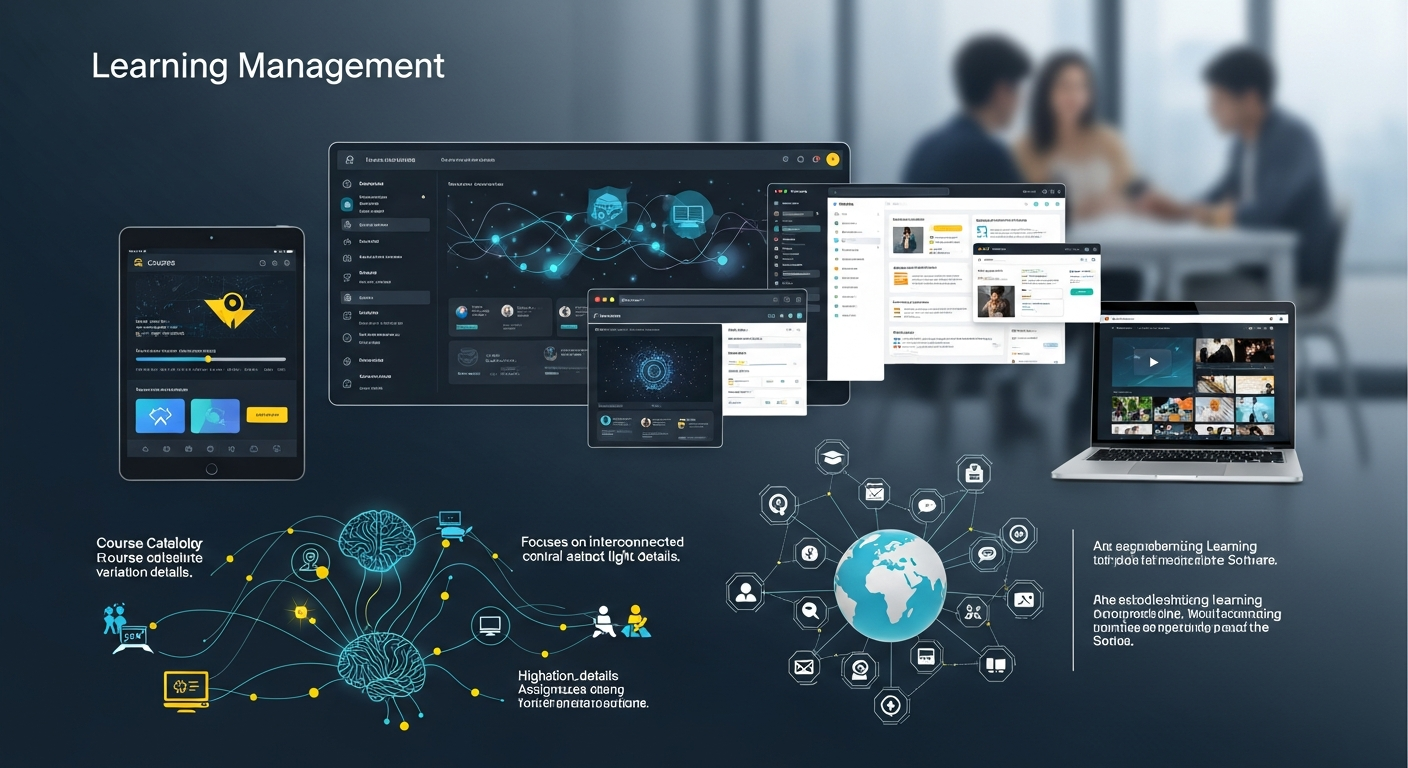
Elevating L&D: The Strategic Imperative of Advanced Learning Management Software
In today's fast-paced corporate world, the role of Learning & Development (L&D) is no longer merely administrative; it's a strategic linchpin for business growth, compliance, and employee retention. Vice Presidents, Directors, and Senior Managers of L&D face the monumental task of upskilling workforces across diverse industries—from Compliance and Sales to Banking, Finance, Insurance, Retail, Pharma, Healthcare, Hospitality, Oil and Gas, and Mining. Traditional training methods often fall short in delivering the scalable, engaging, and measurable results required. This is where cutting-edge learning management software steps in, transforming potential challenges into profound opportunities.
For organizations seeking to cultivate a high-performing, adaptable, and compliant workforce, investing in a robust learning management system is no longer optional—it's essential. This article delves into how modern learning management solutions empower L&D leaders to optimize training delivery, boost engagement, ensure compliance, and drive measurable business impact.
The Evolving Landscape of Corporate Learning
The demands on L&D professionals have never been higher. Rapid technological advancements, evolving regulatory frameworks, and the need for continuous skill development mean that static training programs are obsolete. A global workforce requires standardized yet personalized learning experiences. Ensuring employees in Pharma adhere to the latest FDA guidelines, sales teams master new product features, or banking professionals understand intricate financial regulations, all while maintaining engagement, is a complex endeavor.
This dynamic environment necessitates a centralized, efficient, and intelligent approach to talent development. The solution lies in sophisticated learning management solutions that can adapt to changing needs and deliver impactful results.
What is Learning Management Software?
At its core, learning management software is a digital platform designed to administer, document, track, report on, and deliver educational courses or training programs. More than just a content repository, a modern lms learning management system provides a comprehensive ecosystem for all learning activities. From onboarding new hires to continuous professional development, it automates workflows, personalizes learning paths, and provides invaluable insights into learner performance and program effectiveness.
For large organizations, the focus shifts to enterprise learning management, which offers advanced features like extensive integration capabilities, robust security, scalability for millions of users, and sophisticated reporting tailored for strategic decision-making. Coupled with a strong learning content management system (LCMS), it becomes an end-to-end solution for content creation, delivery, and management.
Key Benefits for L&D Leaders
Streamlined Training Delivery
An advanced learning platform centralizes all training materials, making them easily accessible anytime, anywhere. This consistency is vital for industries like Healthcare and Mining, where standard operating procedures and safety protocols are paramount. With a cloud based learning management system, deployment is fast, updates are seamless, and training can be rolled out across multiple locations simultaneously without geographical constraints.
Enhanced Learner Engagement
Dull, didactic training is a thing of the past. Modern solutions incorporate features designed to captivate learners. A Gamified LMS introduces elements like points, badges, leaderboards, and challenges, turning learning into an enjoyable and competitive experience. This approach significantly improves completion rates and knowledge retention, particularly important for complex topics in Finance and Insurance.
Actionable Insights and Reporting
One of the most powerful aspects of modern LMS platforms is their ability to generate detailed reports. L&D leaders can track individual and team progress, identify knowledge gaps, measure course effectiveness, and demonstrate the ROI of training initiatives. These data-driven insights are invaluable for refining strategies and proving the value of L&D to the executive board.
Compliance and Risk Mitigation
For highly regulated sectors such as Pharma, Banking, and Oil and Gas, maintaining compliance is non-negotiable. An LMS automates compliance training, tracks certifications, and provides an auditable trail of all learning activities. This ensures that employees are always up-to-date with mandatory regulations, significantly reducing organizational risk. Implementing Risk-focused Training through a robust platform ensures critical safety and regulatory knowledge is effectively disseminated and retained.
Scalability and Flexibility
As organizations grow or pivot, their training needs evolve. A flexible learning management system can scale to accommodate a growing number of users, new departments, and diverse training programs without requiring significant infrastructure changes. This adaptability is crucial for dynamic industries like Retail and Hospitality, which experience seasonal shifts and rapid changes in employee profiles.
The Power of Specialized Features
Beyond the core functionalities, certain advanced features elevate the impact of learning platforms:
- Microlearning: Perfect for busy professionals, Microlearning LMS delivers information in bite-sized, digestible modules. This approach enhances retention and fits seamlessly into an employee's workday, making it highly effective for just-in-time training in Sales or quick policy updates in Compliance.
- Adaptive Learning: Leveraging sophisticated algorithms, Adaptive Learning tailors content and learning paths to each individual's needs, pace, and prior knowledge. This personalized approach maximizes engagement and ensures that every learner gets the most relevant training, addressing specific skill gaps more efficiently.
- AI-Powered Content Creation: The arduous task of developing engaging learning content can be significantly streamlined with intelligent tools. An AI Powered Authoring Tool can assist in generating course outlines, drafting content, creating quizzes, and even translating materials, drastically cutting down development time and costs.
Navigating the Future with Intelligent Learning Solutions
As technology continues to advance, so too does the potential of learning platforms. L&D leaders are increasingly looking for solutions that not only manage learning but actively enhance it through intelligent capabilities.
How can intelligent platforms optimize learning paths and content delivery for individual employees?
Modern learning platforms leverage sophisticated algorithms to analyze a learner's performance, preferences, and job role. By identifying knowledge gaps and areas for improvement, these systems can dynamically recommend personalized learning modules, resources, and even peer connections. This ensures that each employee receives the most relevant and efficient training, accelerating skill acquisition and maximizing individual potential. The system learns from every interaction, continuously refining its recommendations for peak effectiveness.
In a geographically dispersed organization, how do these systems ensure consistent and impactful learning experiences across diverse regions and cultures?
For global enterprises, intelligent learning solutions are equipped with features like multi-language support, localized content delivery, and culturally sensitive design templates. These platforms enable L&D teams to create a unified learning experience that maintains consistent quality and messaging, while also allowing for customization to resonate with local nuances. Employees, whether in Mumbai or Manchester, access the same high-quality training, fostering a cohesive global workforce and ensuring standard compliance practices are met universally.
Beyond basic tracking, how can these advanced solutions provide deeper insights and adapt to evolving business needs in real-time?
Advanced learning platforms go beyond simple completion rates, utilizing predictive analytics to forecast future skill demands and identify emerging trends in learning effectiveness. They can analyze vast datasets to pinpoint which training methods yield the best performance outcomes, recommend proactive interventions for struggling learners, and even suggest content modifications based on real-time feedback and business performance metrics. This continuous feedback loop allows the system to adapt and evolve its strategy, ensuring L&D remains agile and perfectly aligned with the organization's strategic objectives.
Choosing the Right Learning Management Software
Selecting the ideal learning management system requires careful consideration of an organization’s specific needs, budget, and future goals. Key factors include ease of use, integration capabilities with existing HR systems, security protocols, vendor support, and, crucially, the ability to deliver engaging and measurable learning outcomes. Solutions like MaxLearn LMS exemplify the comprehensive capabilities required by today's leading L&D departments, offering a blend of innovative features and robust functionality.
The synergy between a powerful learning management software and a forward-thinking L&D strategy is undeniable. By embracing these sophisticated tools, L&D leaders can not only meet the current demands of a dynamic business environment but also proactively shape a future where learning is continuous, engaging, and directly contributes to organizational success.
.jpg)


