

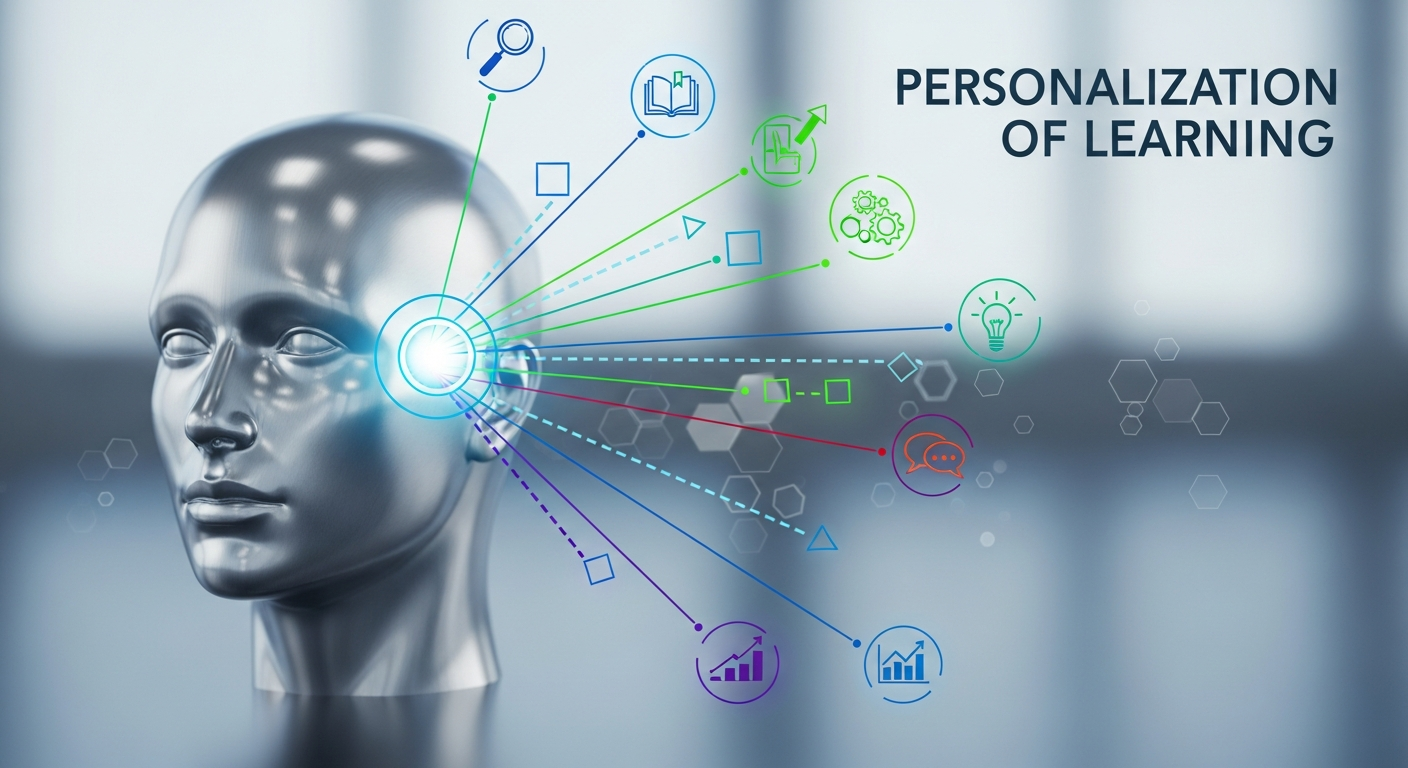
Unlocking Potential: The Power of Personalized Learning in Corporate L&D
In today's fast-evolving business landscape, the traditional "one-size-fits-all" approach to corporate training is rapidly becoming obsolete. As L&D leaders, Vice Presidents, Directors, and Senior Managers, you understand the imperative of developing a highly skilled, engaged, and adaptable workforce. The answer to this challenge lies in the strategic adoption of personalized learning – a dynamic approach that tailors educational content and experiences to individual employee needs, preferences, and performance goals.
This article delves into why personalized learning is not just a trend, but a fundamental shift necessary for driving business growth, ensuring compliance, and fostering innovation across diverse industries like Banking, Finance, Insurance, Retail, Pharma, Health care, Hospitality, Oil and Gas, and Mining.
What is Personalized Learning?
Personalized learning is an educational framework that customizes the learning experience for each individual. Unlike traditional models where all learners follow the same curriculum at the same pace, personalization considers a learner's existing knowledge, learning style, role, career aspirations, and even their current performance data to deliver relevant content at the right time and in the most effective format. This often involves leveraging advanced technologies, including a robust Microlearning LMS, to manage and deliver tailored content.
The Undeniable Benefits for Enterprise L&D
The transition to personalized learning offers a multitude of advantages for organizations committed to elevating their L&D initiatives:
- Increased Engagement and Retention: When learning is directly relevant and impactful, employees are more likely to stay engaged, complete training, and retain information. This is particularly crucial in sectors like sales, where continuous skill development drives performance.
- Enhanced Skill Development: Personalized pathways allow employees to focus on specific skills gaps or areas for advancement, leading to more efficient and targeted upskilling and reskilling efforts. This is vital for complex roles in finance or healthcare.
- Improved Performance and Productivity: Well-trained employees who have mastered relevant skills perform better, reduce errors, and contribute more effectively to organizational goals. This translates to better customer service in retail or greater operational efficiency in oil and gas.
- Better Compliance and Risk Management: In highly regulated industries such as banking, insurance, and pharma, personalized compliance training ensures that every employee understands and adheres to specific regulations pertinent to their role, significantly reducing Risk-focused Training. A sophisticated learning management system can track and verify completion, providing an auditable trail.
- Cost-Effectiveness: By eliminating irrelevant content and shortening training times, personalized learning optimizes L&D budgets, making training delivery more efficient and impactful.
- Data-Driven Insights: A modern LMS provides analytics on learner progress, content effectiveness, and skill mastery, allowing L&D teams to continuously refine their strategies. This data can inform future content development and help identify top performers or areas needing intervention.
How Technology Fuels Personalization
The widespread adoption of personalized learning wouldn't be possible without technological advancements, particularly in learning management software and artificial intelligence. A cutting-edge lms learning management system acts as the backbone, facilitating content delivery, tracking progress, and managing user data.
Here’s how technology transforms learning personalization:
Adaptive Learning Pathways
Utilizing algorithms, an enterprise learning management solution can dynamically adjust the learning path based on a learner's interactions, performance, and preferences. If an employee masters a concept quickly, they can skip ahead; if they struggle, the system can provide additional resources or alternative explanations. This is the essence of Adaptive Learning, ensuring that no two learning journeys are exactly alike.
AI-Powered Content Curation and Recommendation
Artificial intelligence plays a pivotal role in personalizing content. An AI Powered Authoring Tool can analyze vast amounts of content, identify relevance to specific roles or skills, and recommend resources that align with an individual's learning history and goals. This ensures that a sales professional receives training relevant to their specific product line or a healthcare worker gets updates pertinent to their specialization.
Interactive and Gamified Experiences
Engagement is key to effective learning. A Gamified LMS leverages elements like points, badges, leaderboards, and challenges to make the learning experience more interactive and enjoyable. This encourages participation and healthy competition, particularly effective for compliance training in banking or skill development in hospitality.
Scalable Content Management
A robust Learning content management system (LCMS) is essential for handling the diverse and extensive content required for personalized learning. It allows L&D teams to create, store, manage, and deploy a wide array of learning modules efficiently across different departments and regions. This is crucial for large organizations operating globally in sectors like mining or pharmaceutical.
Addressing Common Questions for L&D Leaders
How does artificial intelligence enhance learning pathways?
AI algorithms analyze learner data, including previous performance, knowledge gaps, and content consumption patterns, to recommend the most relevant modules, articles, videos, or exercises. This dynamic adjustment ensures that each learner receives a bespoke experience that efficiently closes skill gaps and accelerates proficiency, much like a personal tutor guiding their progress. For instance, in a pharmaceutical company, AI can ensure a researcher is directed to the latest regulatory updates specific to their drug development stage.
Can personalized learning strategies adapt to diverse global workforces?
Absolutely. Modern learning management solutions, especially those that are a cloud based learning management system, are designed with scalability and localization in mind. They can host content in multiple languages, cater to different cultural contexts, and adapt delivery methods based on regional infrastructure or regulatory requirements. This ensures that employees in different geographic locations, whether in banking or oil and gas, receive relevant and accessible training tailored to their specific environment.
What advanced instructional design principles underpin effective personalized learning?
Effective personalized learning is built on principles such as chunking information into digestible micro-lessons, emphasizing active recall and spaced repetition, incorporating real-world scenarios and simulations, and providing immediate, constructive feedback. It also relies heavily on competency-based frameworks, ensuring that learning outcomes are tied directly to job roles and organizational objectives. These principles, when combined with a sophisticated MaxLearn LMS, create a powerful and impactful learning environment.
Implementing Personalized Learning in Your Organization
Embarking on a personalized learning journey requires strategic planning and the right technological partners. Here are key steps for L&D leaders:
- Assess Current Needs: Identify specific skill gaps, compliance requirements, and business objectives across departments (e.g., sales, operations, customer service).
- Choose the Right Technology: Invest in a comprehensive learning management software that supports personalization features like adaptive pathways, AI-driven recommendations, and gamification. Look for a solution that acts as a robust LCMS.
- Develop Modular Content: Break down complex topics into smaller, digestible learning modules. This facilitates quick updates and easier personalization.
- Leverage Data Analytics: Continuously monitor learner progress and engagement data to refine content and learning paths.
- Pilot and Scale: Start with a pilot program in a specific department or for a particular training need, gather feedback, and then scale your efforts across the organization.
Conclusion
The future of corporate L&D is undeniably personalized. By moving beyond generic training programs, L&D leaders can unlock unprecedented levels of employee engagement, skill development, and overall organizational performance. Investing in a powerful LMS that embraces personalization and artificial intelligence is no longer a luxury but a strategic necessity for any enterprise looking to thrive in the modern economy. Embrace personalized learning, and empower your workforce to reach their full potential, driving innovation and growth across every segment of your business.
.jpg)


