

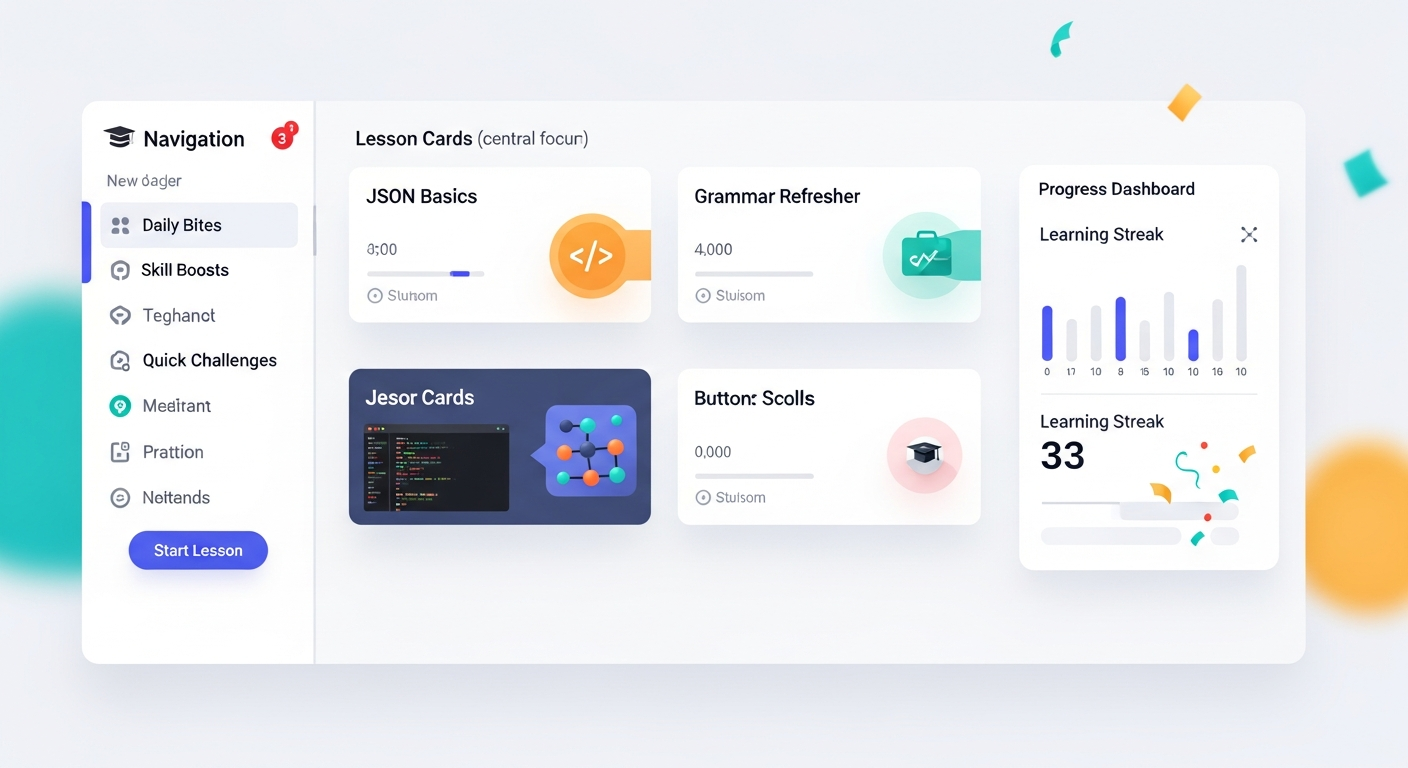
Unlocking Potential: The Strategic Imperative of Microlearning Software for L&D Leaders
In today's fast-paced corporate environment, the traditional approach to corporate training is increasingly proving inadequate. Vice Presidents, Directors, and Senior Managers in Learning & Development face immense pressure to deliver impactful training solutions that foster continuous skill development, ensure compliance, and drive organizational growth, all while contending with shrinking attention spans and demanding work schedules. This is where Microlearning LMS emerges not just as a trend, but as a strategic imperative.
Microlearning software offers a powerful paradigm shift, breaking down complex information into digestible, bite-sized modules that can be consumed quickly and efficiently. For L&D leaders across diverse sectors—from the critical regulatory landscapes of Banking, Finance, and Pharma, to the dynamic customer-facing roles in Sales and Retail, and the high-stakes environments of Oil & Gas and Healthcare—adopting a robust microlearning solution is no longer a luxury but a necessity for maintaining a competitive edge and cultivating a highly skilled, adaptable workforce.
What Exactly is Microlearning Software?
At its core, microlearning software refers to a digital platform or an advanced learning content management system (LCMS) designed to create, deliver, manage, and track short, focused learning units. These units, typically ranging from 2 to 10 minutes, concentrate on a single learning objective, skill, or piece of information. Unlike lengthy courses, microlearning modules are highly specific and often delivered in a variety of engaging formats, including short videos, infographics, quizzes, interactive simulations, and mini-games.
The beauty of this approach lies in its alignment with how adults naturally learn and retain information in the digital age. It accommodates busy schedules, reduces cognitive overload, and facilitates 'just-in-time' learning, enabling employees to access relevant information precisely when they need it most—whether it's a quick refresher before a client call or an urgent update on a new compliance regulation.
Why Microlearning Software is Indispensable for Modern L&D
The challenges facing L&D professionals are multifaceted: declining engagement in traditional training, rapid obsolescence of skills, the need for continuous upskilling, and the pressure to demonstrate ROI. Microlearning software directly addresses these pain points:
- Enhanced Engagement and Retention: Short, focused content is less intimidating and more appealing, leading to higher completion rates and better knowledge retention. When coupled with features like a Gamified LMS, motivation and active participation soar.
- Agility and Speed to Market: Industries like Sales, Banking, and Pharma constantly introduce new products, services, or regulations. Microlearning allows for rapid content creation and deployment, ensuring your workforce is always up-to-date with minimal downtime.
- Reduced Training Costs and Time: By optimizing content length and delivery, microlearning significantly cuts down on development time and overall training expenditure, freeing up resources for more strategic L&D initiatives.
- Personalized Learning Paths: Modern microlearning platforms, often leveraging Adaptive Learning capabilities, can tailor content delivery based on individual learner performance, roles, and knowledge gaps, ensuring relevance and maximizing impact.
- Critical for Compliance Training: In regulated sectors such as Finance, Healthcare, and Oil & Gas, frequent updates on policies, safety protocols, and ethical guidelines are mandatory. Microlearning provides an efficient way to disseminate crucial Risk-focused Training, ensuring all employees are informed and compliant, mitigating potential legal and financial risks.
Key Features to Prioritize in Microlearning Software
When evaluating different microlearning solutions, L&D leaders should look for a comprehensive platform that supports end-to-end learning processes:
- Intuitive Content Authoring: The ability to easily create, edit, and publish micro-content without extensive technical skills is paramount. Look for tools that support various media types and interactivity. An AI Powered Authoring Tool can dramatically speed up content development and suggest relevant modules.
- Mobile-First Design: Employees increasingly learn on the go. The software must offer a seamless, responsive experience across all devices, from desktops to smartphones and tablets.
- Robust Analytics and Reporting: Detailed insights into learner progress, completion rates, knowledge gaps, and engagement levels are crucial for demonstrating ROI and refining training strategies.
- Integration Capabilities: The chosen learning management software should integrate smoothly with existing HRIS, CRM, and other enterprise systems for a unified data ecosystem.
- Personalization and Adaptive Paths: The system should be capable of delivering tailored learning experiences, guiding learners through content based on their individual needs and past performance.
- Engagement Features: Beyond gamification, look for features like social learning, discussion forums, and achievement badges to foster a dynamic learning community.
- Scalability and Security: For large enterprises, the platform must be able to handle a vast number of users and ensure data privacy and security, adhering to industry standards.
The AI-Driven Edge: Leveraging Intelligence in Microlearning
How can artificial intelligence optimize the delivery of microlearning content?
Artificial intelligence significantly enhances content delivery by analyzing learner preferences, performance data, and engagement patterns. It can then dynamically recommend the most relevant and impactful micro-modules at optimal times, ensuring 'just-in-time' and 'just-for-me' learning experiences. AI algorithms can also predict when a learner might forget information and trigger timely refreshers.
What role does AI play in personalizing learning experiences within microlearning platforms?
AI is fundamental to personalization. By processing vast amounts of individual learner data—including their roles, previous scores, skill gaps, and learning styles—AI can construct highly individualized learning paths. This ensures that each employee receives content tailored to their specific developmental needs, accelerating skill acquisition and improving overall effectiveness.
Can AI improve content creation efficiency for microlearning modules?
Absolutely. AI-powered tools can automate various aspects of content creation, such as generating initial drafts from existing long-form content, suggesting relevant media assets, and even creating interactive quizzes. This significantly reduces the time and resources required to produce high-quality microlearning modules, allowing L&D teams to be more agile.
How does AI assist in analyzing learner performance and identifying knowledge gaps in microlearning?
AI excels at processing large datasets of learner interactions and performance metrics. It can identify patterns, pinpoint specific areas where learners struggle, and detect collective knowledge gaps across teams or departments. This intelligent analysis provides L&D leaders with actionable insights to refine content, target interventions, and prove the efficacy of their training programs.
Implementing Microlearning Software Across Industries
The versatility of microlearning software makes it a powerful tool for virtually any industry:
- Compliance: In Banking, Finance, and Insurance, microlearning facilitates continuous updates on regulatory changes, anti-money laundering (AML), and data privacy policies, often delivered through a Risk-focused Training approach to minimize organizational exposure.
- Sales: For Sales teams, micro-modules can provide rapid product knowledge updates, refine pitch techniques, offer objection handling strategies, and deliver competitive intelligence, all accessible before a client meeting.
- Healthcare: Healthcare professionals can quickly learn about new medical procedures, equipment updates, patient safety protocols, or medication changes in concise, easy-to-digest formats.
- Oil & Gas and Mining: These sectors benefit from microlearning for critical safety briefings, equipment operation refreshers, and environmental regulation updates, ensuring compliance and reducing workplace incidents.
- Retail and Hospitality: Training on new POS systems, customer service best practices, seasonal product lines, or cleanliness protocols can be efficiently delivered and reinforced.
Choosing the Right Microlearning Solution for Your Enterprise
Selecting the ideal microlearning platform requires careful consideration of your organization’s unique needs, culture, and long-term L&D strategy. Look for a solution that offers robust features, excellent user experience, strong analytics, seamless integration capabilities, and scalability to grow with your enterprise. A dedicated Microlearning LMS can be the cornerstone of transforming your training initiatives from a reactive function into a proactive driver of business success.
Conclusion
Microlearning software represents a fundamental shift in how organizations approach talent development. For L&D Vice Presidents, Directors, and Managers, embracing this technology is not just about adopting a new tool; it's about strategically investing in a more agile, engaging, and effective learning ecosystem. By delivering targeted, accessible, and impactful learning experiences, microlearning empowers employees, ensures compliance, and ultimately drives the continuous growth and success of your organization in an ever-evolving global landscape.
.jpg)


