

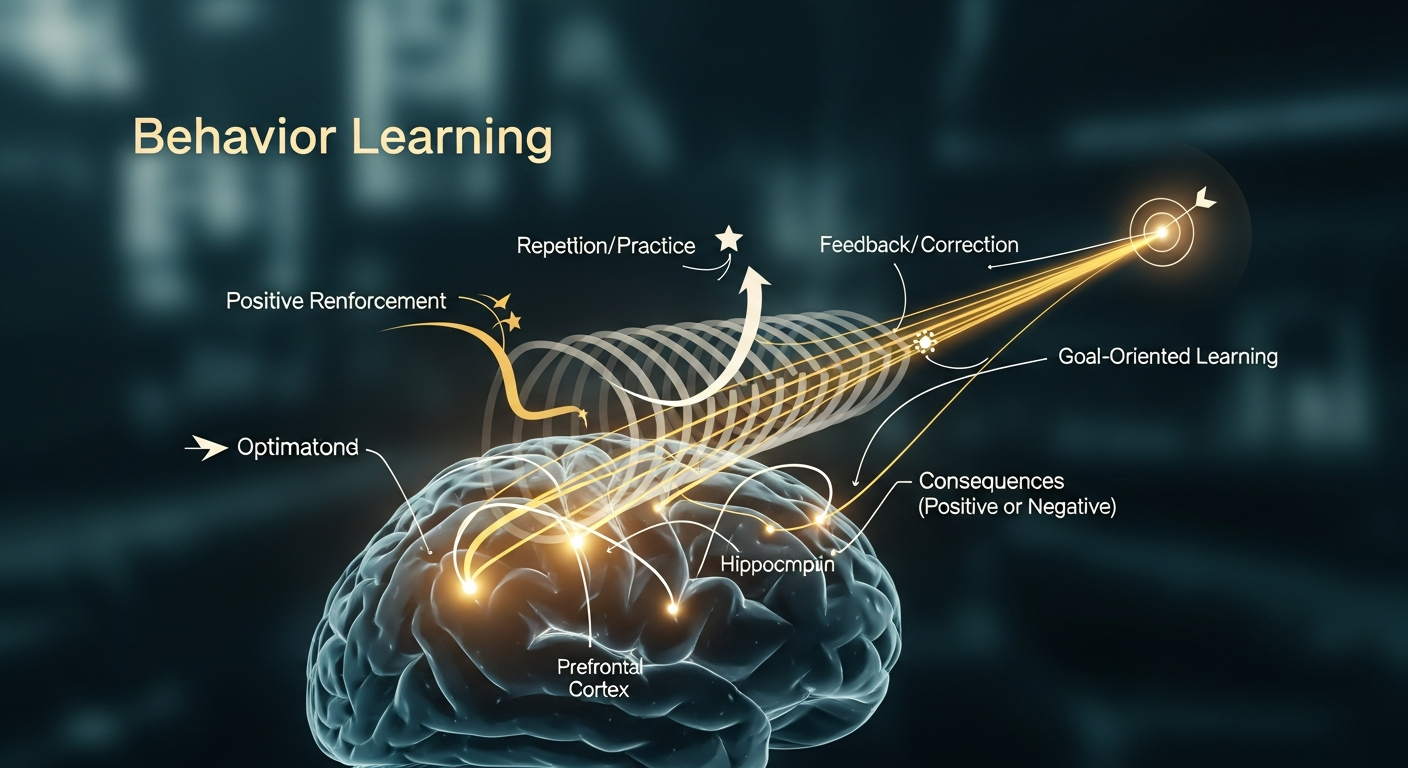
Mastering Behavior Learning: The L&D Imperative for Corporate Excellence
In today's rapidly evolving business landscape, the ability of an organization to adapt, innovate, and thrive hinges not just on the skills its workforce possesses, but critically, on their behaviors. For Vice Presidents, Directors, Senior Managers, and Managers of Learning & Development, understanding and effectively implementing behavior learning strategies is no longer a luxury—it's a strategic imperative. This article delves into the nuances of behavior learning, its pivotal role across diverse industries, and how advanced eLearning solutions are transforming its efficacy.
What is Behavior Learning and Why Does it Matter?
Behavior learning, in the corporate context, refers to the systematic process of influencing, shaping, and reinforcing specific actions, attitudes, and decision-making patterns among employees to achieve desired organizational outcomes. It moves beyond rote memorization of facts or procedural steps, aiming instead at the deeper cultivation of habits, ethical considerations, and soft skills that directly impact performance, culture, and compliance.
Think about a sales professional whose product knowledge is impeccable but consistently struggles with active listening. Or a healthcare worker who knows safety protocols but occasionally cuts corners under pressure. These are behavioral gaps, and traditional training often falls short in addressing them. Effective behavior learning targets these underlying patterns, providing the tools and environment for sustained change.
The Critical Role of Behavior Learning Across Industries
The impact of behavior learning resonates profoundly across every sector, from highly regulated industries to customer-facing services. Consider these examples:
- Compliance: In industries like Banking, Finance, and Insurance, behaviors related to ethical conduct, data privacy, and regulatory adherence are paramount. Missteps can lead to colossal fines, reputational damage, and loss of trust. Behavior learning, particularly Risk-focused Training, instills a culture of vigilance and accountability, directly mitigating organizational risk.
- Sales: Beyond product specifications, sales success hinges on behaviors: negotiation skills, empathy, resilience, and effective communication. Behavior learning for sales teams translates into higher conversion rates, stronger client relationships, and improved market penetration.
- Retail and Hospitality: Customer experience is the ultimate differentiator. Behaviors such as proactive service, problem-solving, and maintaining a positive attitude directly impact customer satisfaction and loyalty.
- Pharma and Healthcare: Patient safety and care quality are non-negotiable. Behavior learning ensures adherence to critical protocols, fosters collaborative team dynamics, and promotes compassionate interaction, directly impacting patient outcomes.
- Oil and Gas & Mining: Safety is paramount. Behavioral safety training can significantly reduce incidents by fostering a culture where safe practices are instinctive and immediate. Operational efficiency also benefits from behavioral consistency and adherence to best practices.
Challenges in Driving Behavioral Change Through Learning
Despite its evident importance, implementing effective behavior learning faces several hurdles:
- Engagement and Retention: Sustaining learner engagement, especially for abstract behavioral concepts, can be difficult. How do you ensure learners don't just "pass" but internalize and apply new behaviors?
- Measuring Impact: Quantifying changes in behavior and attributing them directly to training can be complex.
- Scalability: Delivering personalized, impactful behavioral training across a large, geographically dispersed workforce.
- Relevance: Ensuring the training content is directly applicable and perceived as relevant to the learner's day-to-day role.
Leveraging Modern eLearning for Enhanced Behavior Learning
To overcome these challenges, L&D leaders are increasingly turning to innovative eLearning solutions that integrate cutting-edge technology and pedagogical approaches. Many L&D leaders often wonder, "How can intelligent systems and modern learning platforms truly foster a culture of behavioral excellence within my organization?" The answer lies in the synergistic application of several key components:
The Power of Personalized and Engaging Learning
Traditional, one-size-fits-all training rarely leads to sustained behavioral change. This is where Adaptive Learning shines. By tailoring the learning path to individual needs, knowledge gaps, and preferred learning styles, it ensures that employees receive the most relevant interventions. Furthermore, engaging formats are crucial. Gamified LMS platforms transform mundane training into interactive experiences, using points, badges, leaderboards, and scenarios to motivate learners and reinforce desired behaviors through immediate feedback and recognition.
Another powerful approach is Microlearning LMS. Breaking down complex behavioral concepts into short, digestible modules makes learning more accessible, less intimidating, and easier to fit into busy schedules. This approach facilitates repeated exposure and practice, which is vital for behavioral reinforcement.
Intelligent Content Creation and Delivery
For L&D teams tasked with developing vast amounts of relevant and impactful content, tools like an AI Powered Authoring Tool are game-changers. Such tools can rapidly generate scenario-based training, simulations, and interactive exercises that specifically target behavioral development. This significantly reduces content development time and ensures a higher quality, more engaging output.
Many organizations ask, "Where can I find effective strategies for fostering ethical behavior or improving leadership skills across our diverse global teams?" The answer often lies in utilizing a robust LMS or learning management system that can deliver this rich content. A modern learning management software provides the infrastructure for hosting, delivering, and tracking behavioral training at scale. For large enterprises, an enterprise learning management system, especially a cloud based learning management system, offers the flexibility and scalability needed for global deployment.
The Role of Advanced Learning Platforms
A comprehensive learning management solutions suite, like MaxLearn LMS, is more than just a content repository. It's a strategic partner in behavior learning. These platforms often incorporate sophisticated analytics to track not just course completion, but engagement patterns, behavioral assessments, and even pre- and post-training performance metrics. This allows L&D leaders to identify areas where behavioral interventions are most effective and where further support is needed.
Furthermore, an integrated Learning content management system (or LCMS) within a broader lms learning management system ensures that behavioral content can be easily created, updated, and deployed consistently across the organization, maintaining relevance and accuracy, particularly in compliance-driven environments.
Measuring Impact and Sustaining Behavioral Change
The ultimate goal of behavior learning is sustained change. L&D leaders need to answer, "How do we truly know if our training has translated into real-world behavioral improvements and measurable business impact?" This requires a robust measurement strategy:
- Pre- and Post-Assessments: Beyond knowledge tests, these can include behavioral simulations, peer feedback, or self-assessments to gauge changes in actions and attitudes.
- Performance Data Integration: Correlate training completion and engagement with key performance indicators (KPIs) relevant to the desired behaviors (e.g., sales conversion rates, safety incident reports, customer satisfaction scores).
- Ongoing Reinforcement: Behavioral change is not a one-time event. Use follow-up microlearning modules, coaching, and performance support tools to reinforce desired behaviors over time.
- Feedback Loops: Establish mechanisms for employees to receive regular feedback on their behavior, both from managers and peers, and for L&D to refine training based on real-world outcomes.
Conclusion: The Future is Behavior-Driven
For L&D professionals at the executive and managerial levels, embracing advanced behavior learning methodologies is crucial for driving organizational success. By strategically integrating technologies such as adaptive learning, gamification, and AI-powered content creation within a robust learning management ecosystem, you can move beyond mere knowledge transfer to cultivating the critical behaviors that define high-performing teams and resilient organizations. The investment in sophisticated behavior learning is an investment in a future where your workforce consistently acts in alignment with your strategic objectives, fostering innovation, ensuring compliance, and delivering unparalleled value across all industries.
.jpg)


