

Conquering the Forgetting Curve: Strategies for Lasting Knowledge in the Modern Enterprise
In today's fast-paced world, knowledge is power, but memory is fleeting. Employees across every sector are constantly learning new processes, technologies, and compliance regulations. Yet, a significant portion of this valuable information can be lost shortly after training. This phenomenon, known as the Forgetting Curve, poses a substantial challenge to organizations striving for efficiency, innovation, and continuous improvement. Understanding and actively combating this natural decline in retention is not just beneficial—it's critical for sustained success in industries from Finance to Healthcare, and from Retail to Mining.
What is the Forgetting Curve?
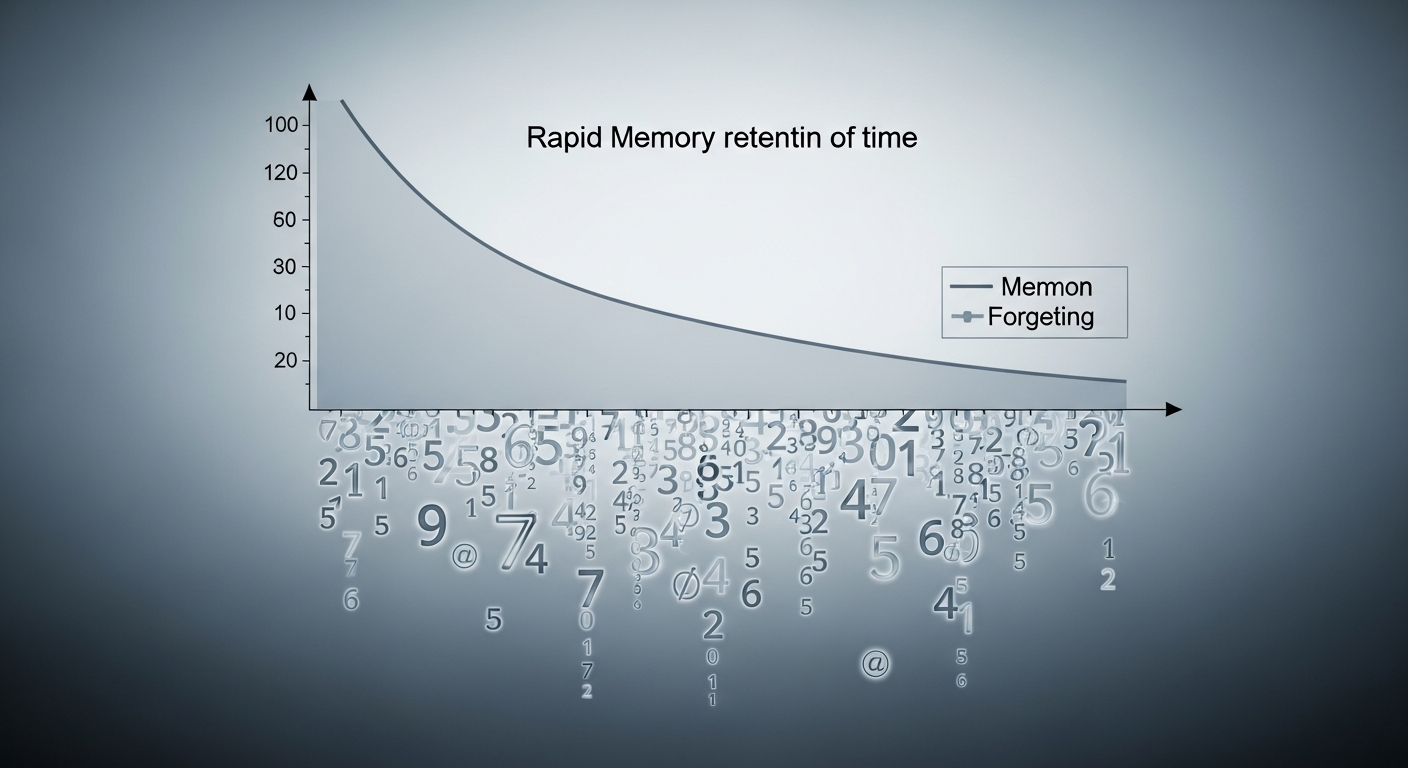
The Forgetting Curve, first conceptualized by German psychologist Hermann Ebbinghaus in the late 19th century, illustrates the rate at which newly acquired information is forgotten over time if no attempt is made to retain it. Ebbinghaus's research showed that within hours of learning, a significant amount of information can be lost, with the rate of forgetting leveling off over subsequent days. Without reinforcement, recall drops dramatically, leading to decreased performance, increased errors, and a significant return on investment loss for training initiatives.
For businesses, this isn't just an academic concept; it's a tangible obstacle. Think about a new product launch in Retail, updated safety protocols in Oil and Gas, intricate financial regulations in Banking, or critical patient care procedures in Healthcare. If employees forget key details, the consequences can range from lost sales and compliance breaches to serious safety incidents and compromised patient well-being.
The Impact Across Key Industries
The implications of the Forgetting Curve ripple through various sectors, each facing unique challenges:
- Insurance & Banking: Frequent regulatory changes, new product features, and complex financial instruments demand constant updates. Forgetting compliance details can lead to hefty fines, while a lack of product knowledge can hinder sales and client service.
- Retail: Product knowledge, sales techniques, customer service protocols, and seasonal promotions are vital. High employee turnover exacerbates the problem, making continuous, effective training essential.
- Mining & Oil and Gas: Safety protocols, equipment operation, and emergency procedures are non-negotiable. Forgetting critical information can have catastrophic consequences, impacting lives and the environment.
- Healthcare: Patient care relies on precise medical knowledge, treatment protocols, and medication administration. Knowledge decay can lead to medical errors, impacting patient outcomes and trust.
- Pharma: Understanding complex drug mechanisms, clinical trial data, and strict regulatory guidelines is paramount. The Forgetting Curve can compromise drug development, sales, and adherence to compliance standards.
In every industry, the goal is not just to teach, but to ensure that learning sticks and is readily accessible when needed. This is where modern L&D strategies become indispensable.
Strategies to Combat Knowledge Decay
Fortunately, the Forgetting Curve is not an insurmountable barrier. Organizations can implement scientifically proven strategies and leverage technology to transform how their employees learn and retain information.
1. Spaced Repetition
Instead of cramming information into one session, spaced repetition involves revisiting content at increasing intervals. This reinforces memory pathways, moving information from short-term to long-term memory. Modern learning platforms can automate this process, scheduling timely reminders and quizzes.
2. Active Recall
Simply re-reading notes is less effective than actively trying to retrieve information from memory. Quizzes, flashcards, and self-testing prompt learners to recall information, strengthening their understanding and retention. This can be integrated through interactive elements within training modules.
3. Microlearning
Breaking down complex topics into short, focused, digestible chunks (microlearning modules) prevents cognitive overload and makes learning more approachable. These bite-sized modules are easier to consume, reinforce, and integrate into busy work schedules. A MaxLearn Microlearning Platform excels at delivering content in this highly effective format.
4. Personalized and Adaptive Learning
Not everyone learns at the same pace or in the same way. Adaptive Learning tailors the learning experience to individual needs, identifying knowledge gaps and providing targeted content. This ensures learners focus on what they don't know, maximizing efficiency and retention.
5. Gamification and Engagement
Making learning fun and interactive dramatically increases engagement. Points, badges, leaderboards, and challenges can motivate learners to complete modules, revisit content, and apply their knowledge. A Gamified LMS transforms mundane training into an engaging experience, fostering competition and continuous learning.
6. Contextual and Just-in-Time Learning
Providing information precisely when and where it's needed—whether through performance support tools, quick reference guides, or integrated in-app help—ensures that knowledge is immediately applicable and less likely to be forgotten.
Leveraging Technology to Reinforce Learning
Modern Learning & Development (L&D) technologies are at the forefront of the fight against the Forgetting Curve. Platforms that integrate artificial intelligence, machine learning, and advanced analytics offer sophisticated ways to deliver, manage, and optimize learning experiences.
For example, an AI Powered Authoring Tool can help L&D teams create highly effective and personalized content much faster, enabling them to respond to dynamic business needs with agility. Such tools can even suggest optimal content structures or identify areas where learners might struggle.
Furthermore, for industries like Mining, Oil and Gas, Healthcare, and Finance, where stakes are incredibly high, specialized Risk-focused Training can be designed and delivered through these platforms. This ensures critical safety, compliance, and procedural knowledge is reinforced continuously, directly mitigating operational risks.
Common Questions on Sustaining Knowledge
How can advanced analytics predict when employees are likely to forget critical information?
Modern learning platforms use sophisticated algorithms to analyze a learner's performance data, including quiz scores, completion times, and patterns of incorrect answers. By tracking how quickly certain concepts are mastered and subsequently revisited, these systems can identify individual forgetting patterns. This allows the platform to proactively suggest review modules or refresher courses at optimal intervals, before significant knowledge decay occurs. This predictive capability ensures timely interventions, maximizing retention and application of essential skills.
What role does intelligent learning play in tailoring learning paths to individual needs?
Intelligent learning, driven by machine learning, is pivotal in creating highly personalized educational journeys. It assesses each employee's existing knowledge, learning style, and performance data to dynamically adjust the content, pace, and sequence of learning modules. If an employee quickly grasps a concept, they can advance faster; if they struggle, the system offers additional resources, different explanations, or practice exercises. This ensures that every learner receives the most relevant and effective instruction, making the learning process more efficient and engaging, ultimately leading to stronger, more lasting comprehension.
How can modern learning platforms ensure crucial information is accessible and relevant at the point of need?
Modern platforms integrate various features to ensure information is not only learned but also readily available. This includes mobile accessibility, allowing employees to access bite-sized learning modules or quick reference guides directly from their devices, whether they're on a factory floor, in a financial institution, or serving a customer. Contextual learning tools, such as embedded performance support within operational software or searchable knowledge bases, provide just-in-time information. By delivering the right knowledge at the exact moment of application, these platforms bridge the gap between learning and doing, making retention more practical and immediate.
How do organizations measure the real-world impact of combating knowledge decay?
Measuring the impact involves a multi-faceted approach. Beyond traditional assessment scores, organizations track key performance indicators (KPIs) directly linked to the learned content. For instance, in sales, they might measure increased product sales or reduced customer complaints; in manufacturing, reduced error rates or improved safety incident reports; in healthcare, better patient outcomes or compliance adherence. Advanced learning analytics can correlate training completion and retention rates with these business outcomes, providing concrete evidence of the value of proactive learning strategies. This allows businesses to quantify the return on investment (ROI) of their efforts to overcome knowledge gaps.
Conclusion
The Forgetting Curve is a persistent human challenge, but it doesn't have to be a business bottleneck. By understanding its mechanisms and deploying strategic, technology-driven L&D initiatives, organizations can build a workforce that not only learns but truly retains and applies critical knowledge. Investing in spaced repetition, microlearning, personalized content, and engaging platforms is an investment in sustained performance, enhanced compliance, improved safety, and ultimately, a more agile and competitive enterprise.
.jpg)


