

Unlocking Potential: The Power of an Adaptive Learning System in Modern Education and Training
In a world that is constantly evolving, the traditional 'one-size-fits-all' approach to learning is becoming increasingly obsolete. Learners, whether students in an academic setting or professionals in a corporate environment, possess unique strengths, weaknesses, learning styles, and paces. Recognizing this diversity, the education and training landscape is undergoing a profound transformation, spearheaded by the advent of the Adaptive Learning System. Far from a mere buzzword, adaptive learning represents a revolutionary paradigm shift, leveraging technology to create highly personalized educational experiences that respond dynamically to individual needs. This innovative approach promises not just better learning outcomes, but also increased engagement, efficiency, and retention, making it an indispensable tool for anyone serious about fostering effective knowledge acquisition.
What Exactly is an Adaptive Learning System?
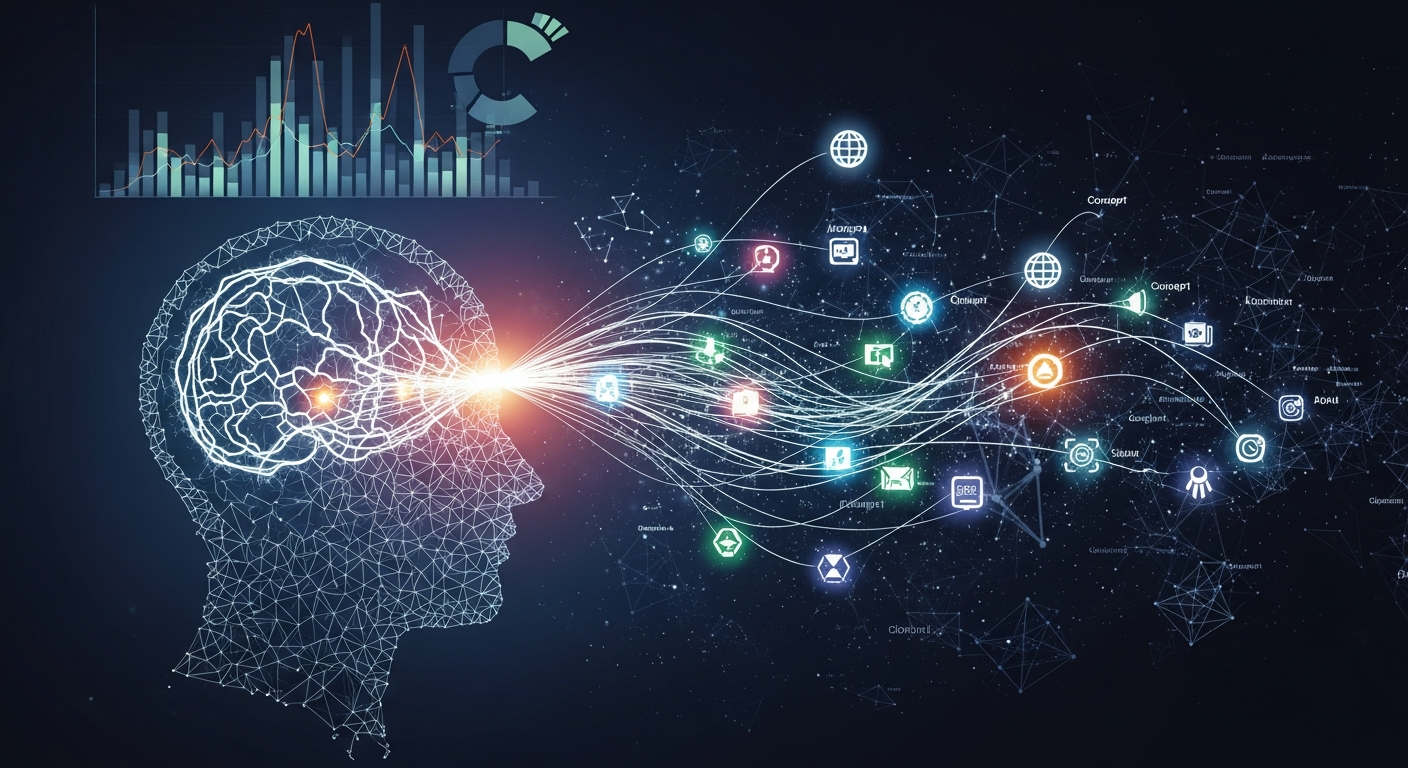
At its core, an adaptive learning system is a sophisticated educational technology designed to adjust the learning path, content, and pace in real-time based on a learner's individual performance and preferences. Unlike static curricula, where all learners follow the same predetermined sequence, an adaptive system intelligently analyzes data points such as correct answers, incorrect answers, time spent on tasks, and even confidence levels, to tailor the educational journey. This intelligent personalization ensures that learners receive support where they struggle and are challenged appropriately where they excel, optimizing their learning trajectory.
Think of it as a highly skilled personal tutor, available 24/7, with the capacity to instantaneously assess a learner's understanding and modify its teaching strategy accordingly. It moves beyond simply providing feedback; it actively reshapes the learning environment itself, delivering precisely what each individual needs, when they need it. This could mean offering remedial content for foundational gaps, providing advanced challenges for quick learners, or presenting information in a different format (e.g., video instead of text) to suit a particular learning style. The ultimate goal is to maximize comprehension and mastery for every single learner.
The Core Mechanics: How Adaptive Learning Works
The intelligence behind an adaptive learning system stems from a blend of educational psychology, data science, and artificial intelligence. These systems operate through a continuous feedback loop, constantly assessing, adapting, and refining the learning experience.
Learner Assessment and Profiling
The journey often begins with an initial assessment, which can range from diagnostic quizzes to pre-tests or even an analysis of past performance data. This helps the system build a profile for each learner, identifying existing knowledge gaps, preferred learning styles, and even their current emotional state (e.g., frustration levels). This foundational data guides the initial content delivery and subsequent adjustments, ensuring the system starts from an informed position.
Dynamic Content Delivery
Based on the learner's profile and real-time interactions, the system dynamically selects and presents the most relevant learning materials. This isn't just about changing the order of lessons; it involves a deeper level of customization. Content might be presented in different modalities (text, video, interactive simulations), difficulty levels adjusted, or supplementary resources offered. For organizations seeking to implement such dynamic learning pathways, exploring methodologies that underpin Adaptive Learning can provide valuable insights into creating powerful, personalized experiences that resonate with modern learners and achieve specific objectives.
Continuous Feedback and Adjustment
The learning process is iterative. As the learner progresses, the system continuously monitors their performance, tracking correct and incorrect answers, response times, and patterns of engagement. Advanced algorithms process this data to make real-time adjustments to the curriculum. If a learner struggles with a particular concept, the system might offer additional practice, re-explain the concept in a different way, or break it down into smaller, more manageable chunks. Conversely, if a learner demonstrates mastery, the system can skip redundant material and introduce more advanced topics or challenges, preventing boredom and maintaining engagement.
Key Benefits of Implementing Adaptive Learning Systems
The advantages of adaptive learning extend far beyond simple personalization, offering a multitude of benefits for both learners and organizations:
- Enhanced Engagement: By delivering content that is always relevant and challenging at the right level, adaptive systems keep learners motivated and focused. The integration of elements like points, badges, and leaderboards, often found in a Gamified LMS, further boosts engagement, transforming learning into an interactive and enjoyable experience rather than a passive task.
- Improved Learning Outcomes: Tailored instruction directly addresses individual needs, leading to deeper understanding and higher rates of content mastery compared to traditional methods.
- Increased Efficiency and Retention: Learners spend less time on concepts they already understand and more time on areas where they need help, making the learning process more efficient. This targeted approach also improves long-term retention of knowledge.
- Personalized Learning Paths: Every learner receives a unique pathway designed to optimize their success, accommodating diverse learning styles, prior knowledge, and career goals.
- Data-Driven Insights: Adaptive systems generate rich data on learner performance, identifying common misconceptions, areas of difficulty, and overall progress. This invaluable data can be used to refine content, identify training needs, and demonstrate ROI.
- Scalability and Accessibility: These systems can effectively cater to a large number of learners simultaneously, each receiving a personalized experience, regardless of geographical location or schedule, making high-quality education more accessible.
Adaptive Learning in the Corporate World
The corporate sector has quickly recognized the immense potential of adaptive learning to revolutionize employee training and development. From onboarding new hires to upskilling existing staff and ensuring compliance, adaptive systems provide a flexible, efficient, and highly effective solution.
Sales Training and Product Knowledge
Sales teams, for instance, often need to master vast amounts of product information and sales techniques. An adaptive system can identify knowledge gaps in specific product lines or objection handling, providing targeted modules and practice scenarios. This ensures sales professionals are always at the top of their game. Furthermore, tools that combine powerful content creation with smart delivery, such as an AI Powered Authoring Tool, can rapidly generate and adapt training content, keeping sales teams updated with the latest product features and market trends.
Compliance and Risk Management
In industries where regulatory compliance is critical, adaptive learning ensures that every employee understands and adheres to necessary protocols. By identifying areas of confusion or non-compliance, the system can deliver targeted Risk-focused Training, ensuring that critical information is not only absorbed but also correctly applied. This proactive approach significantly mitigates potential legal and operational risks for businesses.
Choosing the Right Adaptive Learning Solution
When considering an adaptive learning solution, organizations should look for platforms that offer robust capabilities and flexibility. A prime example of a platform engineered for modern learning needs is the MaxLearn Microlearning Platform, which focuses on delivering bite-sized, impactful, and adaptive content. Key features to evaluate include:
- Robust AI and Machine Learning Capabilities: The underlying algorithms determine the effectiveness of personalization.
- User-Friendly Interface: Both for learners and administrators, ease of use is paramount for adoption and management.
- Integration with Existing Systems: Compatibility with HRIS, CRM, or other existing LMS platforms can streamline operations.
- Comprehensive Analytics: Detailed reporting on learner progress, content effectiveness, and engagement metrics.
- Scalability: The ability to grow with your organization's needs, accommodating increasing numbers of learners and diverse training programs.
The Future of Learning is Adaptive
The trajectory of education and professional development is clear: the future belongs to personalized, data-driven, and highly responsive learning experiences. Adaptive learning systems are not just a technological advancement; they represent a fundamental shift in how we approach knowledge transfer and skill development. By empowering individuals to learn in ways that best suit them, these systems unlock unprecedented potential, ensuring that learning is not just effective but also deeply engaging and continuously evolving.
As organizations and educational institutions continue to navigate complex challenges and opportunities, the adoption of adaptive learning will become less of an option and more of a necessity. It is the key to fostering a workforce and a society that is knowledgeable, adaptable, and perpetually prepared for whatever the future holds.
.jpg)


