

Embarking on a Rewarding Path: The Essential Guide to Home Health Aide Training
In an increasingly aging global population and a healthcare landscape shifting towards personalized, in-home care, the role of a Home Health Aide (HHA) has never been more vital. These compassionate professionals are the backbone of community healthcare, providing essential support, comfort, and companionship to individuals who wish to maintain their independence in the familiar surroundings of their own homes. If you're considering a career that offers profound personal satisfaction, job security, and the chance to make a tangible difference in people's lives, understanding the ins and outs of Home Health Aide training is your first crucial step. This comprehensive guide will illuminate the path, detailing what to expect from training, the skills you'll gain, and why this profession is more relevant than ever.
What is a Home Health Aide?
A Home Health Aide is a trained and certified healthcare professional who provides daily support and assistance to clients in their homes. These clients may be elderly, chronically ill, recovering from surgery, or living with disabilities. The primary goal of an HHA is to help clients with activities of daily living (ADLs) and instrumental activities of daily living (IADLs), enabling them to live safely and comfortably at home, thus preventing or postponing institutionalization.
Key Responsibilities of a Home Health Aide
- Assisting with personal care, such as bathing, dressing, grooming, and toileting.
- Helping with mobility, including transferring clients from bed to chair, walking, and exercises.
- Medication reminders and observation of vital signs (as permitted by state regulations).
- Light housekeeping, laundry, and meal preparation.
- Running errands and grocery shopping.
- Providing companionship and emotional support.
- Observing, documenting, and reporting changes in the client's condition to supervising nurses or family members.
- Adhering to strict safety protocols and infection control measures.
Why Choose a Career as a Home Health Aide?
Beyond the inherent desire to help others, a career as a Home Health Aide offers numerous compelling benefits that attract a diverse range of individuals.
Growing Demand
The healthcare sector, particularly home healthcare, is experiencing explosive growth. The Bureau of Labor Statistics projects significant job growth for Home Health Aides and Personal Care Aides in the coming decade, far exceeding the average for all occupations. This surge is driven by demographic shifts and a preference for in-home care, ensuring a robust job market for qualified professionals.
Meaningful Work
Few careers offer the direct, daily impact on another person's well-being that an HHA provides. You become a trusted caregiver, a friendly face, and often, a vital link to the outside world for your clients. The gratitude and connection forged in this role are deeply rewarding.
Flexibility
Many HHA positions offer flexible scheduling options, including part-time, full-time, and live-in roles. This can be particularly appealing for individuals balancing family responsibilities, further education, or other commitments.
The Essential Components of Home Health Aide Training
Proper training is paramount to becoming a competent and compassionate Home Health Aide. While specific requirements can vary by state and employer, HHA training programs generally cover a standardized curriculum designed to equip you with both theoretical knowledge and practical skills.
Curriculum Overview
HHA training programs typically encompass a broad range of subjects crucial for effective client care. These include:
- Basic Anatomy and Physiology: Understanding the human body and common health conditions.
- Personal Care Skills: Techniques for bathing, dressing, grooming, oral hygiene, and incontinence care.
- Nutrition and Meal Preparation: Dietary guidelines, special diets, and safe food handling.
- Infection Control: Handwashing, sanitation, and preventing the spread of germs.
- Safety and Emergency Procedures: Fall prevention, first aid, CPR, and responding to emergencies.
- Medication Reminders: Understanding proper medication administration schedules and potential side effects.
- Communication Skills: Effective verbal and non-verbal communication with clients, families, and healthcare teams.
- Client Rights and Ethics: Respecting client dignity, privacy, and maintaining professional boundaries.
- Care for Clients with Specific Conditions: Training might include modules on dementia care, diabetes management, or hospice support.
- Documentation: Accurate charting and reporting of client conditions and services provided.
Practical Skills and Clinical Experience
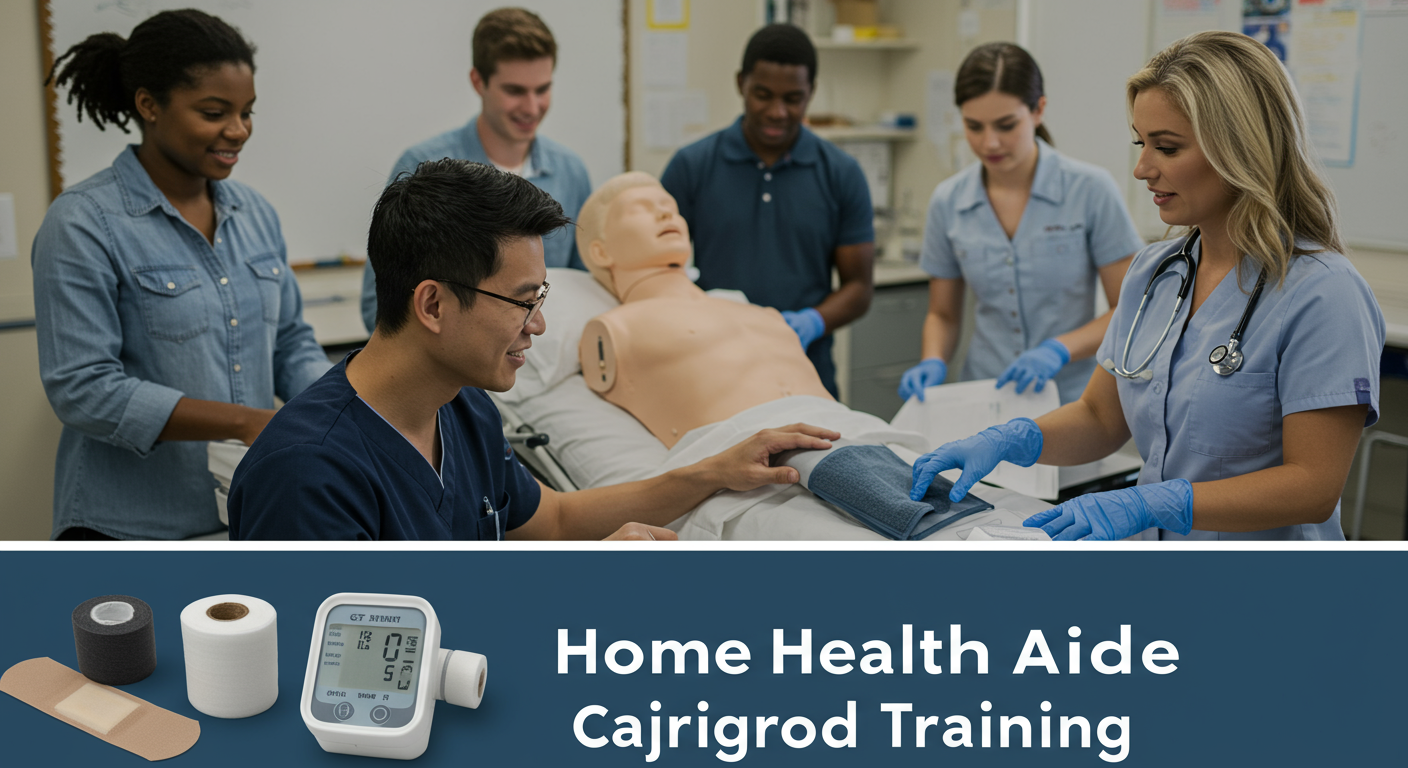
While classroom learning provides foundational knowledge, hands-on training is indispensable. Most HHA programs include supervised practical sessions where students can practice skills like transferring clients, taking vital signs, assisting with personal care, and using medical equipment. Many programs also incorporate clinical experience in actual healthcare settings, allowing students to apply their knowledge under the guidance of experienced professionals.
Certification and Licensure
Upon successful completion of an approved training program, aspiring HHAs must typically pass a competency exam to become certified. The specific certification and licensure requirements are dictated by individual state regulations and federal guidelines, particularly for agencies that receive Medicare or Medicaid funding. It's crucial to choose a program that is approved by your state's regulatory body to ensure your certification will be recognized.
Finding the Right Training Program
Choosing the right HHA training program is a critical decision that will shape your career foundation. Consider these factors when making your selection:
Accreditation and Approval
Ensure the program is accredited by a recognized national or state agency and meets federal and state requirements for Home Health Aide training. This guarantees the quality of education and the validity of your certification.
Program Duration and Format
Programs can range from a few weeks to several months, depending on whether they are full-time or part-time. Look for formats that suit your learning style and schedule, including in-person, blended, or potentially online components for theoretical modules.
Cost and Financial Aid
Investigate tuition fees, textbook costs, and other expenses. Many vocational schools and community colleges offer payment plans, scholarships, or financial aid options to eligible students.
Innovative Training Solutions
Modern education is increasingly embracing technology to enhance learning outcomes. Platforms like the MaxLearn Microlearning Platform are transforming how healthcare training is delivered. Utilizing a Gamified LMS, these platforms can make complex HHA curriculum more engaging and easier to digest. Adaptive Learning technologies personalize the educational journey, tailoring content to individual learner needs and pace, which is particularly beneficial for diverse student backgrounds. Furthermore, an AI Powered Authoring Tool can help instructors rapidly create and update relevant, high-quality training modules, ensuring the content is always current with the latest healthcare practices. This kind of Risk-focused Training can be invaluable in healthcare, emphasizing critical procedures and safety protocols to minimize errors and enhance patient care. Exploring programs that integrate such advanced learning tools can give you a significant advantage in your training.
What to Expect During and After Training
The journey through HHA training is intensive but highly rewarding. You will be challenged to learn new skills, develop empathy, and cultivate a strong sense of responsibility.
The Learning Journey
Expect a mix of classroom lectures, hands-on practice, and potentially clinical rotations. You'll learn not just medical facts, but also crucial soft skills like active listening, patience, and problem-solving. It's an opportunity to grow both professionally and personally.
Career Advancement Opportunities
While an HHA position can be a fulfilling career in itself, it also serves as an excellent stepping stone. Many HHAs choose to further their education and pursue roles as Certified Nursing Assistants (CNAs), Licensed Practical Nurses (LPNs), or Registered Nurses (RNs). The foundational knowledge and direct patient care experience gained as an HHA are invaluable for these advanced healthcare professions.
Conclusion
Home Health Aide training opens the door to a career filled with purpose, stability, and genuine human connection. As our communities increasingly rely on the dedicated service of these professionals, investing in quality training ensures you are well-prepared to meet the demands and embrace the immense rewards of this essential role. If you are driven by compassion and a desire to make a significant difference in the lives of others, embarking on Home Health Aide training is not just starting a job; it's beginning a profoundly impactful journey.
.jpg)


