

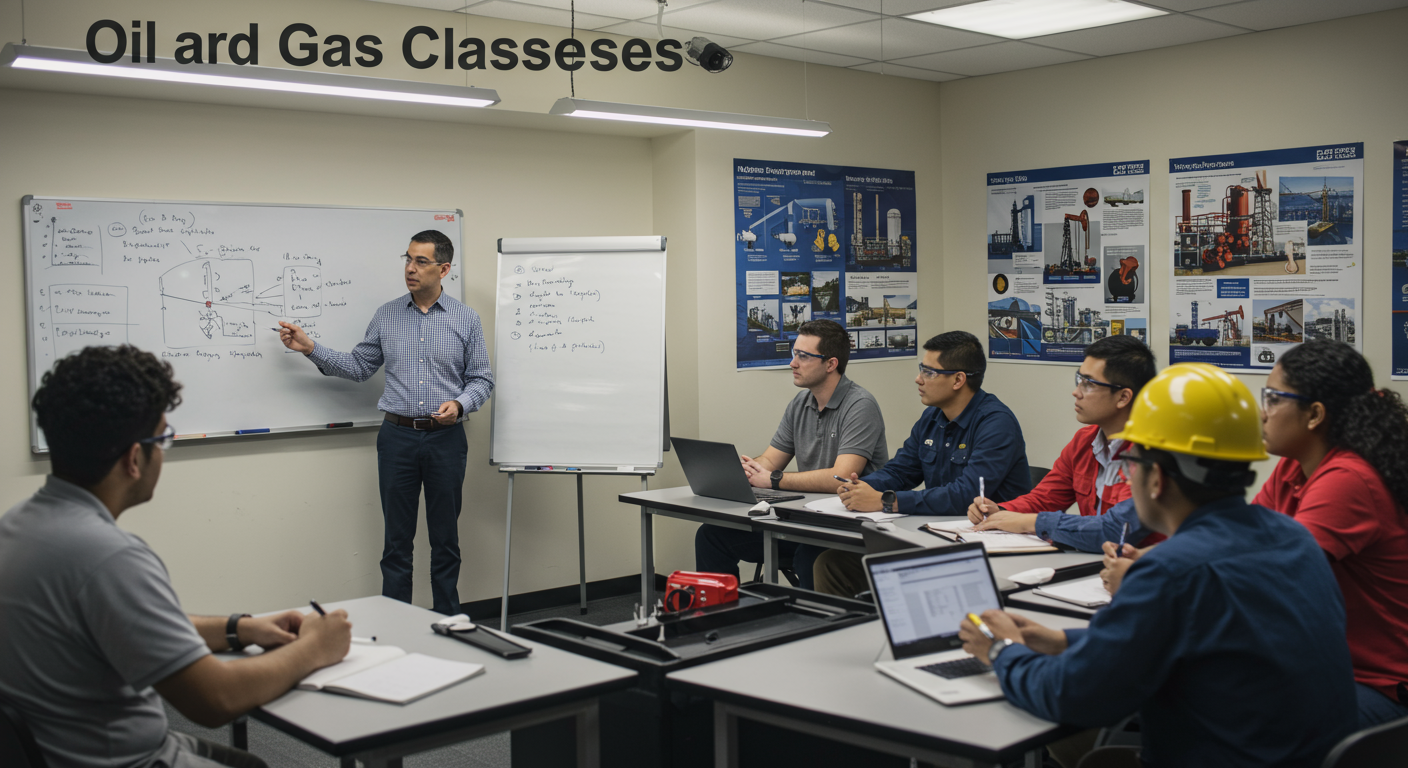
Navigating the Depths: Why Oil And Gas Classes Are Essential for Industry Success
The oil and gas industry is a cornerstone of the global economy, powering everything from transportation to manufacturing. It's a sector defined by immense complexity, cutting-edge technology, stringent safety regulations, and a constantly evolving geopolitical landscape. In such an environment, the pursuit of knowledge isn't just an advantage—it's an absolute necessity. This is where specialized Oil And Gas Classes play a pivotal role, equipping professionals with the expertise to navigate challenges, innovate solutions, and ensure operational excellence.
From the towering offshore rigs to the intricate refinery pipelines, every aspect of this industry demands a highly skilled workforce. Without continuous learning and development, companies risk falling behind, compromising safety, and failing to meet the ever-growing demands for energy. Investing in comprehensive Oil And Gas Classes ensures that individuals and organizations remain at the forefront of this dynamic sector.
The Indispensable Value of Specialized Oil And Gas Classes
Why are dedicated MaxLearn Microlearning Platform-supported courses and training programs so critical in oil and gas? The reasons are multifaceted and touch upon every layer of the industry:
1. Ensuring Unwavering Safety Standards
Safety is paramount in oil and gas, where operations often involve hazardous materials, extreme pressures, and dangerous environments. One misstep can lead to catastrophic consequences. Oil And Gas Classes focusing on Health, Safety, and Environment (HSE) are non-negotiable. They cover critical areas like:
- Hazard identification and risk assessment
- Emergency response procedures
- Personal Protective Equipment (PPE) usage
- Regulatory compliance (OSHA, API, IADC standards)
Proper training not only protects workers but also safeguards the environment and the company's reputation.
2. Adapting to Technological Advancements
The oil and gas industry is undergoing a significant digital transformation. Technologies like AI, machine learning, IoT, big data analytics, and automation are reshaping exploration, drilling, production, and refining processes. Professionals need to understand and apply these tools effectively. Specialized Oil And Gas Classes help bridge the skill gap, teaching individuals how to leverage these innovations for:
- Optimizing well performance
- Predictive maintenance of equipment
- Enhanced seismic data interpretation
- Improved supply chain logistics
3. Meeting Rigorous Regulatory Compliance
Operating in the oil and gas sector involves navigating a complex web of international, national, and local regulations. Non-compliance can result in hefty fines, legal battles, and operational shutdowns. Oil And Gas Classes provide essential updates on environmental laws, emission standards, operational permits, and reporting requirements, ensuring that all activities adhere to legal frameworks.
4. Fostering Skill Development and Career Progression
For individuals, investing in Oil And Gas Classes is a direct pathway to career growth. These programs offer opportunities to specialize in high-demand areas, acquire new proficiencies, and enhance existing skills. Whether it's mastering a new drilling technique, understanding complex reservoir engineering, or developing leadership capabilities, continuous learning empowers professionals to take on greater responsibilities and advance within their organizations.
Diverse Categories of Oil And Gas Classes
The spectrum of available Oil And Gas Classes is vast, reflecting the industry's diverse needs. They can generally be categorized into several key areas:
a) Technical and Operational Training
These classes focus on the hands-on and theoretical aspects of oil and gas operations. Examples include:
- Drilling Operations: From well planning to completion, including onshore and offshore techniques.
- Production Engineering: Optimizing hydrocarbon extraction, artificial lift systems, and well intervention.
- Refining and Petrochemicals: Processes of crude oil conversion into marketable products.
- Pipeline Integrity Management: Ensuring the safe and efficient transport of oil and gas.
- Geosciences: Seismic interpretation, reservoir characterization, and exploration strategies.
b) Health, Safety, and Environmental (HSE) Courses
As discussed, these are critical for risk mitigation and compliance. They cover topics like:
- OSHA General Industry and Construction Safety
- HAZWOPER (Hazardous Waste Operations and Emergency Response)
- Process Safety Management (PSM)
- Environmental Impact Assessment and Mitigation
- Emergency Preparedness and Response
c) Management and Leadership Programs
For those looking to lead teams and manage projects effectively, these classes focus on:
- Oil and Gas Project Management
- Risk Management in Energy Projects
- Negotiation and Contract Management
- Energy Economics and Financial Modeling
- Leadership Development for Technical Professionals
d) Specialized and Emerging Fields
With the industry's evolution, new areas of study are constantly emerging:
- Data Analytics for Oil and Gas
- Carbon Capture, Utilization, and Storage (CCUS)
- Renewable Energy Integration in Oil & Gas Operations
- Cybersecurity for Industrial Control Systems (ICS)
- LNG (Liquefied Natural Gas) Operations and Management
Modernizing Education: Innovative Approaches to Oil And Gas Classes
Traditional long-form courses can sometimes struggle to keep pace with the rapid changes and immediate demands of the oil and gas sector. This is where modern learning methodologies, often supported by advanced platforms, offer significant advantages:
Microlearning for On-Demand Expertise
The industry increasingly benefits from microlearning—short, focused bursts of content designed for quick consumption and immediate application. Instead of lengthy seminars, microlearning delivers precise knowledge exactly when and where it's needed. Platforms like the MaxLearn Microlearning Platform are transforming how oil and gas professionals acquire and retain crucial information, making learning more efficient and effective.
Engaging Learning with Gamified LMS
To combat disengagement and improve knowledge retention, many organizations are turning to a Gamified LMS (Learning Management System). By incorporating elements like points, badges, leaderboards, and interactive simulations into Oil And Gas Classes, learning becomes an engaging and competitive experience, leading to better outcomes and a more motivated workforce.
Tailoring Education with Adaptive Learning
Every learner has unique strengths and weaknesses. Adaptive Learning systems adjust the pace and content of Oil And Gas Classes based on an individual's progress and comprehension. This personalized approach ensures that training is optimized for each person, addressing specific knowledge gaps and maximizing learning efficiency.
Streamlining Content Creation with AI Powered Authoring Tools
Developing high-quality, up-to-date training content for the oil and gas sector can be a resource-intensive task. An AI Powered Authoring Tool dramatically simplifies this process, allowing companies to rapidly create and deploy engaging, relevant, and effective Oil And Gas Classes. This speed is crucial in an industry where regulations and technologies evolve quickly.
Enhancing Preparedness with Risk-focused Training
Given the inherent hazards, Risk-focused Training is especially vital in the oil and gas sector. These programs go beyond general safety by deeply analyzing specific operational risks and training personnel on precise mitigation strategies and emergency protocols. This targeted approach ensures that teams are thoroughly prepared for potential critical scenarios, significantly reducing the likelihood and impact of incidents.
Choosing the Right Oil And Gas Classes
When selecting Oil And Gas Classes, consider the following factors:
- Accreditation and Recognition: Ensure the courses are recognized by industry bodies.
- Instructor Expertise: Look for instructors with real-world experience.
- Practical Application: Prioritize programs that offer hands-on training, simulations, or case studies.
- Learning Format: Choose between in-person, online, or blended formats based on flexibility and learning style.
- Curriculum Relevance: Verify that the content is current and aligns with industry trends and your career goals.
Conclusion
The oil and gas industry is a testament to human ingenuity and resilience. To sustain its operations, drive innovation, and maintain the highest safety standards, continuous education through dedicated Oil And Gas Classes is indispensable. Whether you are an aspiring professional entering the field or a seasoned expert looking to upskill, investing in specialized training is not merely an option—it's a strategic imperative for navigating the depths of this vital global industry and ensuring a successful, safe, and sustainable future.
.jpg)


