

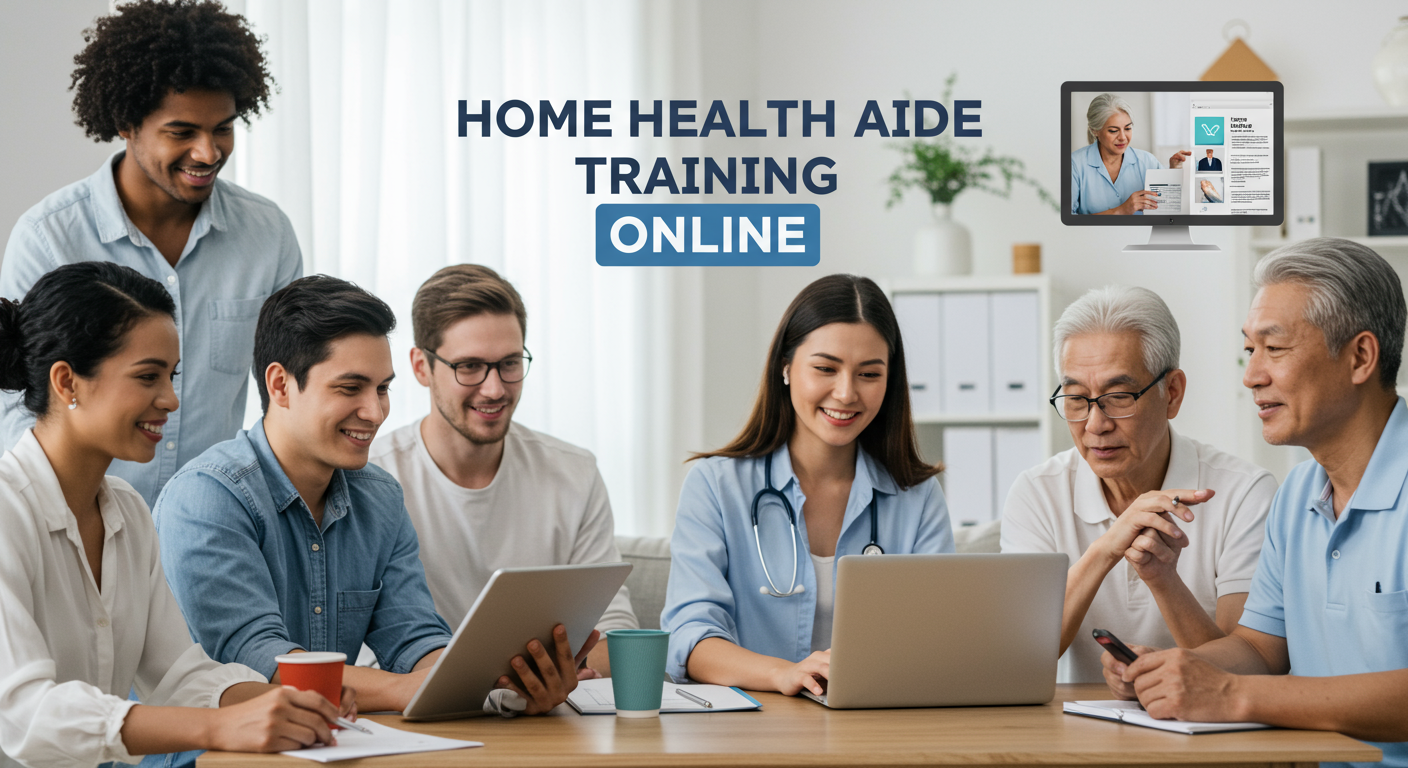
Embark on a Fulfilling Career: Your Guide to Home Health Aide Training Online
In an era where healthcare is becoming increasingly personalized, the role of a Home Health Aide (HHA) is more critical and rewarding than ever before. As populations age and the preference for receiving care within the comfort of one's own home grows, the demand for skilled and compassionate HHAs continues to skyrocket. If you're looking for a career that offers stability, flexibility, and the profound satisfaction of making a real difference in people's lives, becoming a Home Health Aide might be your calling. And thanks to modern educational advancements, pursuing Home Health Aide Training Online is now a convenient and highly effective pathway to achieving this goal.
Gone are the days when traditional classroom settings were the only option for professional development. Online HHA training programs have revolutionized access to education, offering unparalleled flexibility without compromising on the quality or comprehensiveness of the curriculum. This article will guide you through everything you need to know about pursuing your HHA certification online, from understanding the surging demand for these professionals to selecting the right program and embarking on a truly impactful career.
The Growing Demand for Home Health Aides
The healthcare landscape is undergoing a significant transformation, driven largely by an aging demographic and a societal shift towards patient-centered care. More and more individuals, particularly seniors, prefer to receive medical and personal care services in their own homes rather than in institutional settings. This preference not only enhances quality of life but can also be more cost-effective. Consequently, the Bureau of Labor Statistics projects a much faster than average growth for home health and personal care aides, with thousands of new jobs expected to open up each year. This robust job market translates into excellent career prospects and job security for certified HHAs.
A Home Health Aide plays a vital role in enabling clients to maintain their independence and dignity at home. Their responsibilities often include assisting with daily living activities such as bathing, dressing, and grooming, preparing meals, light housekeeping, medication reminders, monitoring vital signs, and providing companionship. It's a role that requires a unique blend of practical skills, empathy, patience, and strong communication abilities.
Why Choose Online Home Health Aide Training?
The decision to pursue online HHA training comes with a host of benefits that cater to diverse lifestyles and learning preferences.
Flexibility and Convenience
Perhaps the most compelling advantage of online training is the unmatched flexibility it offers. Many aspiring HHAs balance existing work commitments, family responsibilities, or other educational pursuits. Online programs allow you to study at your own pace, on your own schedule, from virtually anywhere with an internet connection. This eliminates the need for daily commutes and rigid class times, making it possible to achieve your career goals without disrupting your life.
Accessibility
Online HHA programs break down geographical barriers, making quality education accessible to individuals living in rural areas or those without easy access to traditional training facilities. This broadens the pool of potential healthcare providers, ensuring that communities everywhere can benefit from well-trained HHAs.
Cost-Effectiveness
While tuition fees vary, online courses can often be more cost-effective than their on-campus counterparts. Beyond tuition, students save money on transportation, parking, and sometimes even textbooks, as many online programs utilize digital resources.
What to Expect from an Online HHA Program
A reputable online Home Health Aide training program is designed to equip students with both the theoretical knowledge and practical skills necessary to excel in the field. While the didactic (classroom) portion is delivered virtually, a crucial component often involves hands-on clinical experience.
Curriculum Highlights
Online HHA courses typically cover a comprehensive range of topics, ensuring graduates are well-prepared for the challenges and responsibilities of the role. Key areas of study often include:
- Basic anatomy and physiology
- Personal care skills (bathing, dressing, grooming)
- Nutrition and meal preparation
- Infection control and safety procedures
- Medication reminders and observation
- Communication skills and client interaction
- Understanding and responding to emergencies
- Patient rights and ethical considerations
- Care for clients with specific conditions (e.g., dementia, diabetes)
Clinical Experience Requirements
It's important to note that while the theoretical component is online, most states and certification bodies require a certain number of hours of supervised practical training or clinical experience. This blended learning approach ensures that students gain real-world experience under the guidance of experienced professionals. Online programs will typically assist in arranging or provide guidance on how to secure this vital hands-on training, often in local healthcare facilities or through simulation labs.
Key Features to Look for in an Online HHA Program
Choosing the right online program is crucial for a successful learning experience and career outcome. Look for programs that prioritize engagement, practical application, and modern learning technologies.
Engaging Learning Platforms
A high-quality online HHA program will leverage an advanced learning management system (LMS) to deliver its content. Platforms like the MaxLearn Microlearning Platform are designed to break down complex information into digestible, bite-sized modules, making learning more manageable and retention more effective. This approach is particularly beneficial for healthcare training, where accuracy and clear understanding are paramount.
Interactive and Adaptive Content
The best online programs move beyond static text and videos. Seek out platforms that incorporate interactive elements, simulations, and scenarios that mimic real-life situations. A Gamified LMS can significantly boost engagement by turning learning into an interactive and rewarding experience, helping you master skills faster. Furthermore, programs that utilize Adaptive Learning technologies can personalize your educational journey, adjusting the pace and content based on your individual progress and learning style, ensuring you focus on areas where you need the most support.
Modern Content Creation
The healthcare field is constantly evolving, so your training material should be up-to-date. Programs that use advanced content creation tools, such as an AI Powered Authoring Tool, can quickly adapt and update their curriculum to reflect the latest best practices, regulations, and patient care techniques. This ensures you're learning the most relevant and current information available.
Focus on Practical Skills and Risk Mitigation
Given the hands-on nature of HHA work, the program should emphasize practical skill development. Look for courses that integrate scenarios and assessments focused on identifying potential risks and implementing safe care practices. Risk-focused Training is essential in healthcare to ensure you are prepared to handle emergencies, prevent injuries, and provide the safest possible environment for your clients.
Steps to Enroll in an Online HHA Program
Ready to take the leap? Here's a general roadmap to enrolling in an online Home Health Aide program:
- Research and Accreditation: Begin by researching various online programs. Crucially, verify that the program is accredited by a recognized body and meets your state's certification requirements.
- Prerequisites: Check the admission requirements. These typically include a high school diploma or GED, a minimum age (usually 18), and sometimes a background check or health screening.
- Technical Requirements: Ensure you have a reliable internet connection, a computer or tablet, and basic computer literacy skills.
- Application and Enrollment: Follow the application process outlined by your chosen institution. This usually involves filling out forms and submitting any required documentation.
After Graduation: Your Career as an HHA
Once you've successfully completed your online HHA training and met all state-specific certification requirements, a world of opportunity awaits. Certified Home Health Aides are in high demand across various settings, including:
- Home healthcare agencies
- Hospice care
- Assisted living facilities
- Nursing homes
- Private duty care
The career path of an HHA is incredibly flexible, offering options for full-time, part-time, and even live-in positions. It's a role that not only provides a stable income but also offers immense personal satisfaction from knowing you are making a profound difference in the daily lives of individuals and their families.
Conclusion
The path to becoming a Home Health Aide is both accessible and immensely rewarding, especially with the convenience and innovation offered by online training programs. By choosing a program that leverages modern educational tools like the MaxLearn Microlearning Platform, a Gamified LMS, Adaptive Learning, an AI Powered Authoring Tool, and Risk-focused Training, you can ensure you receive top-tier education tailored for success. Embrace the flexibility, gain invaluable skills, and step into a fulfilling career that truly matters. Your journey to becoming a compassionate and skilled Home Health Aide starts online today!
.jpg)


