

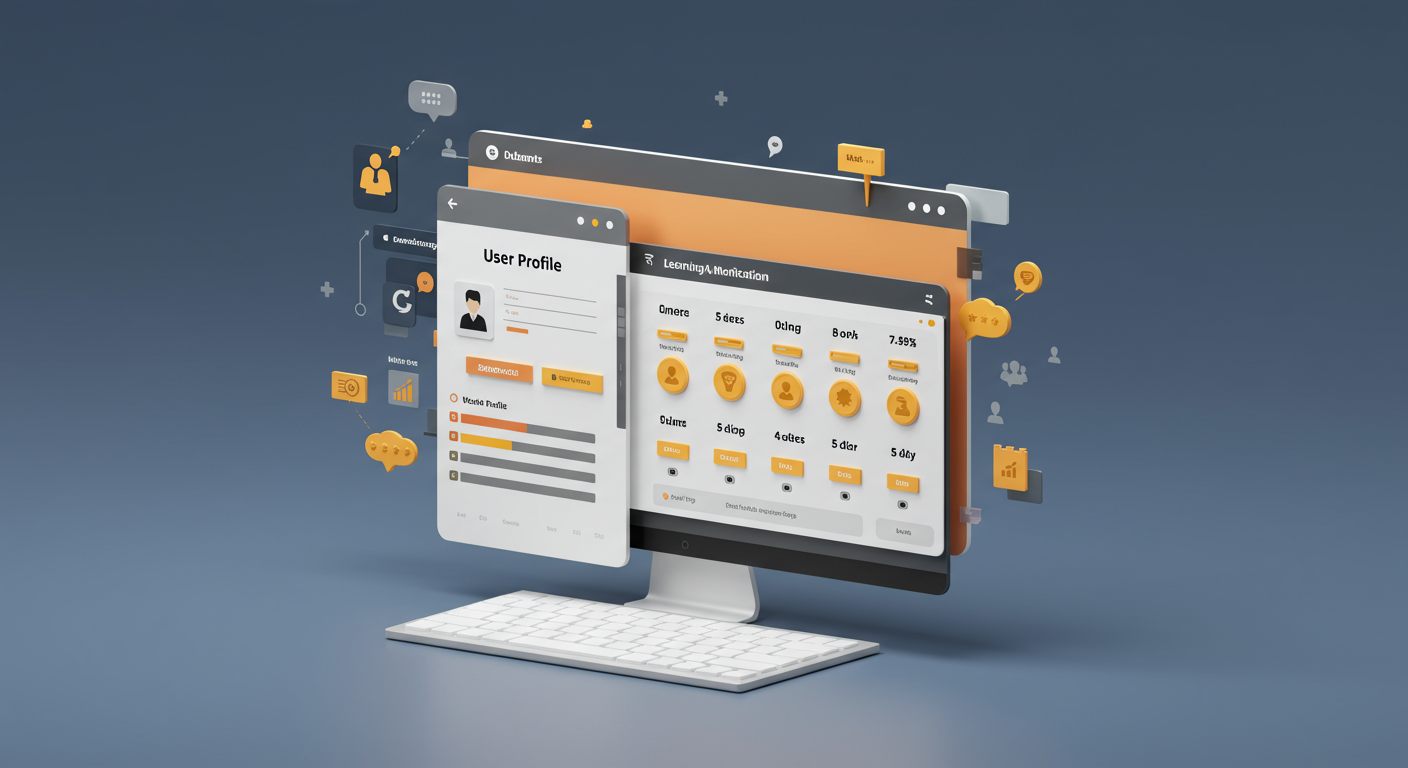
LMS with Gamification: Unlocking Engagement and Driving Performance
In today's fast-paced world, learning and development are no longer static, one-time events. To truly equip employees, partners, and even customers with the knowledge and skills they need, organizations must embrace dynamic, engaging, and effective learning solutions. Enter the powerful combination of a Learning Management System (LMS) with gamification – a strategic approach that transforms routine training into an interactive, motivating, and highly rewarding experience. This article delves into how integrating game-like elements into your LMS can revolutionize learning, boost engagement, and drive tangible performance improvements across your organization.
What is Gamification in an LMS?
At its core, gamification is the application of game-design elements and game principles in non-game contexts. When applied to an LMS, it means incorporating features typically found in games – such as points, badges, leaderboards, levels, progress bars, challenges, and rewards – into your learning modules and courses. The goal isn't to turn learning into a game, but rather to leverage the psychological triggers that make games so captivating to foster deeper engagement, motivation, and retention in educational settings.
Imagine learners earning points for completing modules, unlocking badges for mastering new skills, or seeing their name climb a leaderboard as they progress through training. These elements tap into our innate desires for achievement, competition, recognition, and social interaction, transforming passive learning into an active and enjoyable pursuit.
Why Gamification Matters for Modern Learning
Traditional learning methods often struggle with low engagement rates, resulting in poor knowledge retention and a lack of motivation. In an era where information overload is common, simply presenting content isn't enough. Learners need a reason to invest their time and mental energy. Gamification provides that reason by:
- Boosting Motivation: The anticipation of earning a reward or overcoming a challenge provides a powerful incentive to learn.
- Enhancing Engagement: Interactive elements keep learners actively involved rather than passively consuming information.
- Improving Knowledge Retention: The experiential nature of gamified learning helps embed concepts more deeply in long-term memory.
- Providing Instant Feedback: Points and progress bars offer immediate indicators of success, reinforcing positive learning behaviors.
- Encouraging Healthy Competition: Leaderboards can inspire learners to strive for excellence and push their boundaries.
Key Benefits of a Gamified Learning Management System
Implementing an Gamified LMS goes beyond just making learning fun; it delivers concrete benefits that impact the entire organization:
-
Increased Learner Engagement and Completion Rates
One of the most immediate impacts of gamification is a noticeable surge in learner participation. When training feels like a rewarding challenge rather than a chore, users are more likely to start, continue, and complete courses. This directly translates to higher completion rates for critical training initiatives, ensuring a better-skilled workforce.
-
Improved Knowledge Retention and Application
The interactive and challenging nature of gamified content helps learners absorb and retain information more effectively. By actively participating in simulations, solving puzzles, or competing in quizzes, knowledge is applied in practical scenarios, making it more likely to be recalled and used on the job. This is particularly effective when coupled with a Microlearning Platform, delivering bite-sized, easily digestible content.
-
Enhanced Motivation and Skill Development
Gamification taps into intrinsic motivation. The desire to achieve, earn recognition, or beat one's personal best drives learners to explore topics more deeply and master new skills. This continuous drive fosters a culture of self-improvement and ongoing professional development.
-
Personalized and Adaptive Learning Paths
Modern gamified LMS solutions often incorporate Adaptive Learning capabilities. This means the system can adjust the learning path, content difficulty, or gamified challenges based on a learner's performance and preferences. This ensures that training is always relevant, challenging enough to be engaging, and never overwhelming.
-
Real-time Feedback and Performance Insights
Gamification provides instant feedback on performance, allowing learners to understand their strengths and weaknesses immediately. For administrators, the data generated by gamified activities (points, levels, challenge results) offers invaluable insights into individual and group learning progress, identifying areas where further support might be needed.
-
Fostering a Culture of Continuous Learning
By making learning enjoyable and rewarding, gamification encourages individuals to seek out new knowledge and skills proactively. It transforms learning from an obligation into a desirable activity, fostering a dynamic environment where continuous improvement is the norm.
Essential Features of a Top-Tier Gamified LMS
To truly maximize the impact of gamification, your LMS should offer a robust set of features designed to engage and motivate learners:
- Points and Rewards System: Award points for course completion, quiz scores, forum participation, and other learning activities, redeemable for virtual or real-world rewards.
- Badges and Certifications: Recognize mastery of skills or completion of milestones with visually appealing digital badges and formal certifications.
- Leaderboards: Display top performers to foster healthy competition and recognition, with options for team-based or individual rankings.
- Progress Tracking: Clear visual indicators of progress (e.g., progress bars, level unlocks) keep learners motivated by showing how far they’ve come and what’s next.
- Challenges and Quests: Structured activities that require learners to apply knowledge, solve problems, or collaborate to achieve specific objectives.
- Personalized Avatars and Profiles: Allow learners to customize their profiles, adding a personal touch to their learning journey.
- Social Learning Integration: Features that enable learners to interact, share insights, and collaborate, turning learning into a communal experience.
- Flexible Content Creation: An intuitive AI Powered Authoring Tool is crucial for rapidly developing and deploying engaging gamified content, from interactive quizzes to scenario-based simulations. This speeds up content development and ensures relevance.
Implementing Gamification Effectively: Best Practices
Simply adding game elements won't guarantee success. Effective gamification requires careful planning:
- Define Clear Learning Objectives: Gamified elements should support specific learning goals, not just exist for entertainment.
- Understand Your Audience: Tailor game mechanics to your learners' demographics, motivations, and digital literacy.
- Balance Challenge and Reward: Content should be challenging enough to be engaging but not so difficult that it discourages learners.
- Provide Meaningful Rewards: Rewards can be intrinsic (knowledge mastery, recognition) or extrinsic (points, virtual currency, real-world prizes).
- Iterate and Optimize: Continuously collect feedback and analyze data to refine your gamification strategy and ensure it remains effective.
Beyond Engagement: Driving Business Outcomes with Gamified Learning
The true power of an LMS with gamification extends far beyond just improving engagement; it directly impacts key business outcomes. For instance, in critical areas like compliance or safety, gamified training can significantly improve adherence to protocols. Consider the effectiveness of Risk-focused Training when delivered through engaging challenges and simulations, leading to better decision-making and reduced incidents. By turning essential but often dry topics into interactive experiences, organizations can ensure that vital information is not just consumed but truly understood and applied.
Moreover, for sales teams, a gamified LMS can transform product knowledge training and sales methodology adoption. Competition on leaderboards for completing training modules, mastering product features, or acing sales scenarios directly correlates to improved sales performance. For customer service, gamified modules can lead to faster issue resolution and higher customer satisfaction by making agents more proficient and confident.
Conclusion
The integration of gamification into Learning Management Systems represents a paradigm shift in how organizations approach education and skill development. By leveraging the inherent human desire for achievement, competition, and reward, an Gamified LMS transforms learning into a captivating, highly effective journey. It not only boosts learner engagement and retention but also provides invaluable insights for administrators and directly contributes to a more skilled, motivated, and productive workforce. As businesses continue to navigate complex challenges, investing in a robust, gamified learning solution is no longer a luxury but a strategic imperative for sustained growth and success.
.jpg)


