

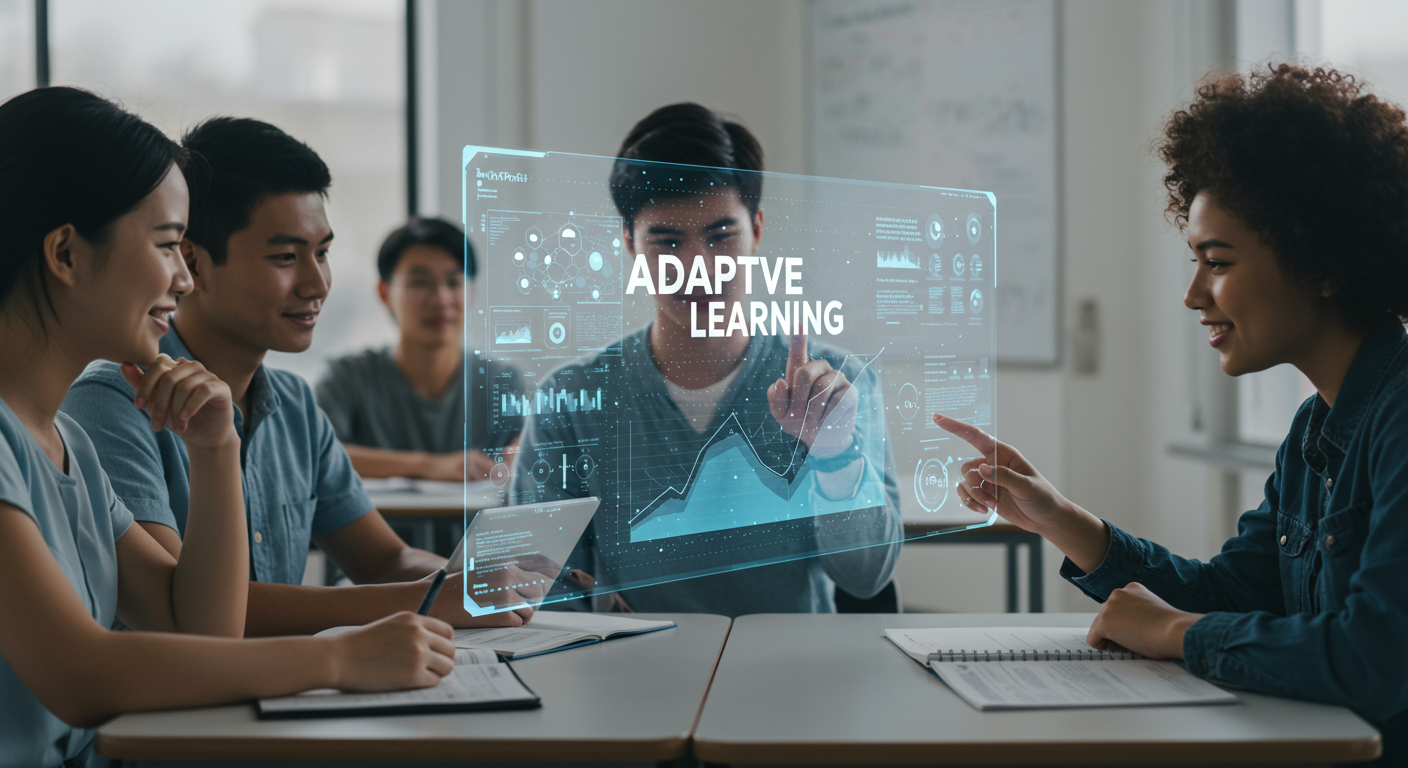
Unlocking Potential: The Power of Adaptive Learning in Modern Education and Training
In a world that is constantly evolving, the traditional one-size-fits-all approach to education and training is becoming increasingly obsolete. Learners come with diverse backgrounds, prior knowledge, learning styles, and paces. Recognizing this fundamental truth, a revolutionary paradigm has emerged to reshape how we acquire and master knowledge: Adaptive Learning. This dynamic methodology is not just a trend; it's a fundamental shift towards personalized, efficient, and highly effective learning experiences tailored to the individual needs of each learner.
But what exactly is adaptive learning, and how is it transforming the educational landscape, from corporate training to academic institutions? Let's dive deep into this transformative approach.
What is Adaptive Learning?
At its core, adaptive learning is an educational method that uses technology to adjust the learning experience in real-time based on a learner's performance, interactions, and stated preferences. Unlike static courses, an adaptive system continuously assesses a learner's comprehension and mastery, then dynamically modifies the content, difficulty, and instructional strategies to optimize their progress.
Imagine a personal tutor who knows exactly what you know, what you don't know, and how you learn best, and then adjusts their teaching methods accordingly. Adaptive learning systems aim to replicate and even surpass this ideal by leveraging sophisticated algorithms and data analytics to create a truly individualized learning path for millions of users simultaneously.
How Adaptive Learning Systems Work
The operational mechanism of adaptive learning involves several interconnected components:
- Initial Assessment: Learners often start with a diagnostic test or a series of questions to gauge their existing knowledge and identify any initial gaps.
- Personalized Content Delivery: Based on the assessment, the system delivers content that is most relevant to the learner's needs. This could involve skipping content they already know, reinforcing areas where they struggled, or offering alternative explanations.
- Continuous Feedback and Evaluation: As learners interact with the material, answer questions, and complete tasks, the system continuously collects data on their performance. This data informs subsequent content delivery.
- Adaptive Pathways: The system dynamically adjusts the learning path. If a learner masters a concept quickly, they might be advanced to more complex topics. If they struggle, the system might offer remedial content, additional examples, or different learning modalities.
- Varied Modalities: Adaptive platforms can offer content in various formats – text, video, interactive simulations, quizzes – to cater to different learning styles and preferences.
The Profound Benefits of Adaptive Learning
The shift towards adaptive learning isn't just about technological sophistication; it's about delivering superior outcomes. Here are some of the key advantages:
- Enhanced Engagement: By presenting content that is neither too easy nor too difficult, adaptive systems keep learners in their optimal learning zone, fostering greater engagement and motivation. When content is relevant and challenging, learners are more likely to stay focused and invested.
- Improved Retention and Mastery: Personalized repetition and targeted remediation help solidify understanding. Learners spend more time on what they don't know and less on what they do, leading to deeper comprehension and better long-term retention of information.
- Increased Efficiency: Learners can progress at their own pace, saving time by not having to review already mastered topics. This efficiency is particularly valuable in corporate training environments where time is a premium.
- Addressing Learning Gaps Proactively: Adaptive systems can pinpoint specific areas of weakness and provide immediate, targeted interventions, preventing minor misunderstandings from snowballing into significant knowledge gaps.
- Scalability with Personalization: Adaptive learning allows organizations to provide a highly personalized experience to a massive audience, something that would be impossible with human instructors alone.
Adaptive Learning in Diverse Contexts
The versatility of adaptive learning makes it applicable across a wide spectrum of educational and training environments.
Corporate Training and Employee Development
In the corporate world, adaptive learning is a game-changer for upskilling, reskilling, and compliance training. Businesses can ensure their employees acquire necessary skills more efficiently, leading to improved performance, productivity, and job satisfaction. For instance, new hires can be onboarded faster, sales teams can be trained on new products effectively, and leadership development programs can be tailored to individual managerial styles.
A modern Microlearning Platform often incorporates adaptive principles, delivering bite-sized content modules that adjust based on learner interaction, ensuring employees get precisely the information they need, when they need it.
Academic Education
From K-12 to higher education, adaptive learning solutions are revolutionizing classrooms. They can help students struggling with specific subjects by providing extra support, while also challenging advanced students with more complex material. This allows educators to dedicate more time to individual coaching and less to generic instruction.
Compliance and Risk Management
For industries heavily regulated, such as finance, healthcare, or manufacturing, compliance training is mandatory but often perceived as tedious. Risk-focused Training, powered by adaptive learning, ensures that employees understand critical regulations and protocols. The system can identify individuals or departments with knowledge gaps in specific compliance areas and provide targeted training to mitigate potential risks, making compliance training more effective and less burdensome.
The Technological Backbone: AI, Data, and Innovative Platforms
The rise of adaptive learning is inextricably linked to advancements in technology. Artificial Intelligence (AI) and Machine Learning (ML) algorithms are the brains behind these systems, processing vast amounts of data to make intelligent instructional decisions.
- AI and Machine Learning: These technologies analyze learner data – including response times, accuracy, confidence levels, and learning patterns – to predict what content will be most effective next. They continuously refine their models, becoming smarter and more precise over time.
- Data Analytics: Comprehensive dashboards provide valuable insights for both learners and instructors. Learners can see their progress, strengths, and weaknesses, while instructors can identify common misconceptions across a cohort or individual struggles, allowing for more informed intervention.
- Advanced Learning Platforms: Modern Learning Management Systems (LMS) are increasingly integrating adaptive capabilities. Features like a Gamified LMS can further boost engagement by incorporating elements such as points, badges, leaderboards, and progress tracking, all within an adaptive framework.
- Content Creation Tools: The development of adaptive content is also evolving. An AI Powered Authoring Tool can assist content creators in designing modules that are inherently adaptable, suggesting questions, branching scenarios, and relevant media based on learning objectives and anticipated learner responses.
Implementing Adaptive Learning: Best Practices
To harness the full potential of adaptive learning, organizations and educators should consider the following best practices:
- Define Clear Learning Objectives: Before implementing any adaptive system, clearly articulate what learners should know or be able to do after completing the training.
- High-Quality, Modular Content: Adaptive systems thrive on well-structured, modular content that can be easily rearranged and served in different pathways. Content must be accurate, engaging, and varied.
- Iterative Design and Testing: Adaptive systems should be continuously monitored and improved. Analyze the data generated by the platform to identify areas where the adaptive logic can be refined for better learner outcomes.
- Integrate with Existing Systems: For seamless deployment, adaptive learning solutions should integrate well with existing HR systems, student information systems, or other learning technologies.
- Support for Instructors/Admins: While adaptive systems personalize learning, human oversight and support remain crucial. Instructors need tools and training to understand the data and intervene when necessary.
The Future of Learning is Adaptive
The trajectory of education and training is clear: personalization is key. As technology continues to advance, adaptive learning systems will become even more sophisticated, offering richer, more immersive, and more effective learning experiences. They hold the promise of democratizing high-quality, tailored education, making it accessible to anyone, anywhere.
By moving beyond the limitations of traditional, linear instruction, adaptive learning empowers individuals to take control of their educational journey, leading to better outcomes for learners, educators, and organizations alike. Embracing this powerful methodology isn't just about keeping up with the times; it's about leading the way to a more intelligent, efficient, and equitable future of learning.
.jpg)


