

How to Implement Fleming's VARK Model in Corporate Microlearning: A Complete Guide
In the fast-paced corporate world, effective employee training is not just an advantage—it's a necessity. Yet, traditional one-size-fits-all training often falls short, leading to disengagement and poor knowledge retention. This is where the synergy of Fleming's VARK model and microlearning emerges as a game-changer. For Vice Presidents, Directors, and Senior Managers in L&D, understanding and implementing this powerful combination can revolutionize your organization's learning strategy, ensuring maximum impact across diverse industries from Compliance to Pharma, Banking to Hospitality.
This guide will walk you through integrating VARK into your corporate microlearning initiatives, leveraging modern learning technologies to create engaging, personalized, and highly effective training programs.
Understanding Fleming's VARK Model
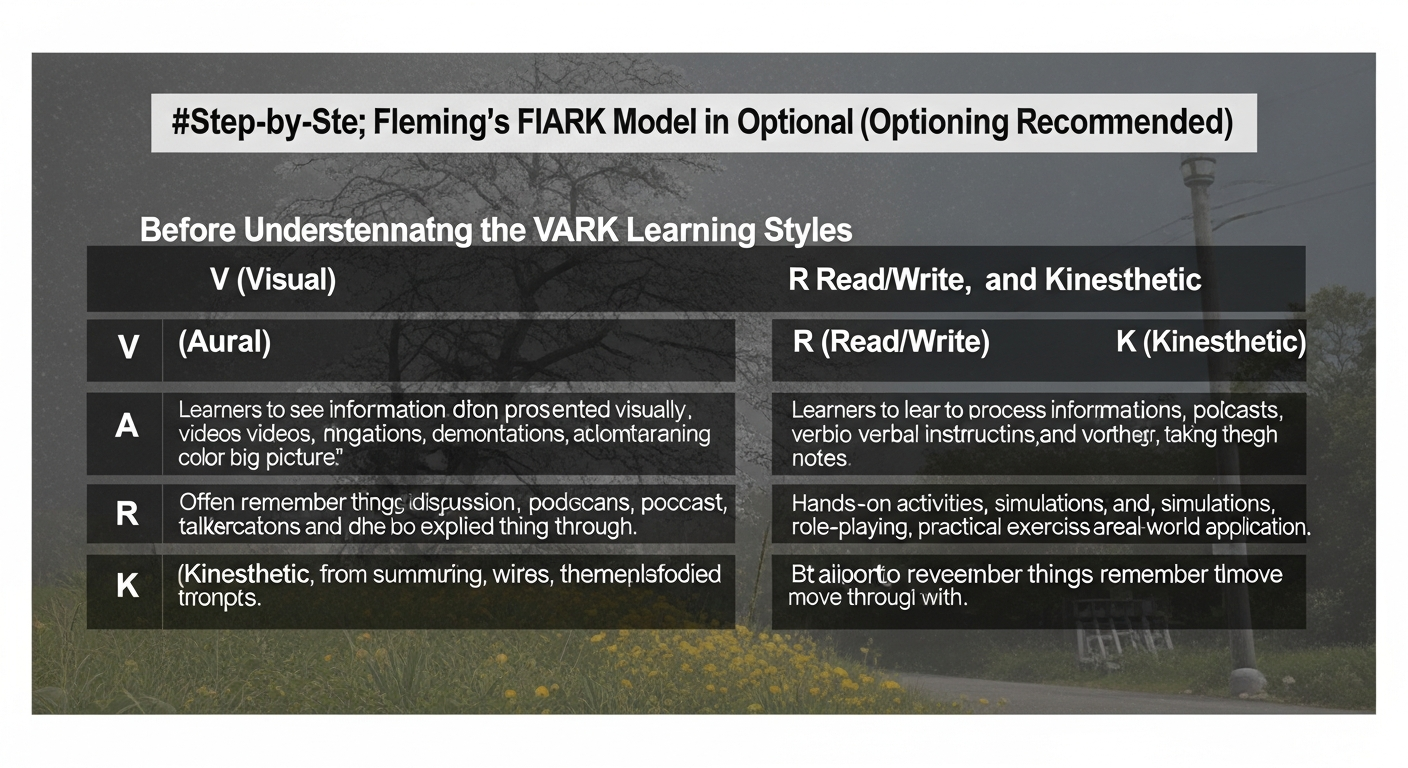
The VARK model, developed by Neil Fleming, categorizes learners into four primary preferences for processing information: Visual, Auditory, Read/Write, and Kinesthetic. While individuals often exhibit a blend of these styles, identifying predominant preferences allows L&D professionals to tailor content for optimal absorption.
- Visual (V): These learners prefer to see information presented graphically. Think charts, diagrams, infographics, videos, and demonstrations.
- Auditory (A): Auditory learners absorb information best through sound. This includes spoken explanations, discussions, podcasts, and audio recordings.
- Read/Write (R): Learners with a strong read/write preference excel with text-based content. Manuals, reports, articles, lists, and written exercises are their preferred learning tools.
- Kinesthetic (K): Kinesthetic learners learn by doing. They thrive on hands-on experiences, simulations, role-playing, practical exercises, and interactive activities.
Recognizing these preferences is crucial because adult learners retain information more effectively when it aligns with their natural learning style. Ignoring this diversity can lead to frustration, disinterest, and ultimately, a breakdown in the learning process.
The Power of Microlearning
Microlearning delivers short, focused, and digestible learning chunks—typically 3-7 minutes in duration—designed to address specific learning objectives. Its benefits are numerous, making it an ideal approach for corporate training:
- Enhanced Engagement: Short bursts prevent information overload and maintain learner attention.
- Improved Retention: Focused content allows learners to concentrate on one concept at a time, facilitating better memory recall.
- Flexibility and Accessibility: Learners can access content anytime, anywhere, fitting learning into busy schedules.
- Cost-Effectiveness: Easier to produce and update than lengthy traditional courses.
- Just-in-Time Learning: Provides immediate access to relevant information exactly when it's needed, perfect for rapid skill acquisition or knowledge refreshers.
The beauty of microlearning lies in its modular nature, which perfectly complements the VARK model. By breaking down complex topics into smaller, varied formats, L&D teams can cater to all learning styles simultaneously within a single training program.
Integrating VARK into Corporate Microlearning
To create a truly comprehensive and impactful learning experience, L&D professionals must intentionally design microlearning modules that address each VARK preference.
Catering to Visual Learners
For visual learners, focus on the aesthetic and illustrative aspects of your content. This includes short, engaging animated videos explaining processes, vibrant infographics summarizing data, diagrams illustrating complex systems (e.g., in Oil and Gas operations or Banking regulations), and interactive flowcharts depicting decision-making paths.
Catering to Auditory Learners
Auditory learners thrive on sound. Incorporate short podcasts or audio snippets from subject matter experts, voiceovers in video tutorials, and interactive audio quizzes. Even brief virtual discussions or recorded explanations can significantly enhance their learning experience, particularly valuable for Sales training or customer service modules in Retail and Hospitality.
Catering to Read/Write Learners
These learners appreciate concise and well-structured text. Develop brief articles, summary notes, bulleted lists of key takeaways, downloadable guides, and text-based quizzes. For industries like Compliance and Finance, where precise language is critical, providing clear written policies, FAQs, and step-by-step written procedures in microlearning format is invaluable.
Catering to Kinesthetic Learners
Kinesthetic learners need to interact and experience. This is where modern learning technologies truly shine. Implement interactive simulations (e.g., for medical procedures in Health care or equipment operation in Mining), role-playing scenarios (critical for Sales and Customer Service), click-and-drag activities, gamified challenges, and virtual hands-on exercises. Practice environments for software applications or risk assessment simulations (Risk-focused Training) can significantly boost engagement and skill development.
Practical Steps for Implementation
Implementing a VARK-informed microlearning strategy requires a systematic approach, leveraging the right tools and methodologies.
1. Assess Learner Preferences
While not strictly necessary to categorize every employee, understanding the general learning style distribution within your organization can guide your content strategy. Simple, brief surveys or pre-assessment questionnaires can provide valuable insights. Over time, an advanced LMS or learning content management system can even infer preferences based on content consumption patterns.
2. Develop Multi-Modal Content
The key is to offer content in multiple formats for each learning objective. For example, a module on "New Product Features" could have a short video (Visual), an audio interview with a product manager (Auditory), a concise feature list (Read/Write), and an interactive product configurator (Kinesthetic). Leveraging an AI Powered Authoring Tool can significantly streamline the creation of diverse microlearning assets.
3. Choose the Right Delivery Platform
A robust Microlearning LMS is essential. Look for a learning management system that supports various media types, offers easy content creation and management, and provides analytics to track engagement. A cloud based learning management system like MaxLearn LMS ensures accessibility and scalability for enterprise-level training needs across industries.
4. Enhance Engagement with Gamification
Incorporate elements like points, badges, leaderboards, and challenges. A Gamified LMS transforms learning into an enjoyable and competitive experience, naturally appealing to kinesthetic learners and boosting motivation across all styles.
5. Embrace Personalization through Adaptive Learning
Adaptive Learning technologies can dynamically adjust the learning path based on an individual's progress, preferences, and performance. This means a learner struggling with a concept might automatically be presented with different formats or additional resources tailored to their preferred style, optimizing their learning journey. This is a crucial feature for any modern enterprise learning management solution.
6. Continuous Improvement through Analytics
Utilize the analytics provided by your learning management software to understand which content formats are most engaging and effective. This data allows for continuous optimization of your microlearning modules, ensuring your learning management solutions remain impactful.
Addressing Key Questions in Modern Corporate Learning
As L&D leaders navigate the complexities of corporate training, several advanced questions arise, especially concerning technology and global reach:
Question: How can intelligent systems enhance content creation for diverse learning styles in microlearning?
Answer: Intelligent systems, especially those powered by advanced algorithms, can significantly expedite and improve the creation of varied microlearning content. By analyzing existing successful learning modules and identifying patterns in engagement, these systems can suggest optimal formats (video, interactive quiz, concise text) for specific learning objectives. They can also assist in generating initial content drafts, converting text into audio scripts, or even recommending visual assets, allowing instructional designers to focus on refining and personalizing the experience for different learning preferences.
Question: Is a universally accessible microlearning strategy beneficial for global teams with varied learning preferences?
Answer: Absolutely. A universally accessible microlearning strategy, designed with VARK principles in mind, is incredibly beneficial for global teams. By offering content in multiple formats (visual, auditory, textual, interactive), it transcends geographical and cultural differences in learning approaches. This ensures that employees in different regions, potentially with diverse educational backgrounds or primary language considerations, can engage with content in a way that resonates best with them, fostering inclusivity and equitable access to knowledge regardless of their location.
Question: How can advanced analytics and data-driven insights refine microlearning paths for optimal learner engagement and retention?
Answer: Advanced analytics, often leveraging machine learning, provide deep insights into how learners interact with microlearning content. By tracking completion rates, time spent per module, quiz scores, and even content preferences (e.g., if a learner consistently chooses video over text for similar topics), these systems can identify individual strengths and weaknesses. This data can then inform dynamic adjustments to learning paths, personalize content recommendations, or even trigger additional support or remediation, ultimately optimizing each learner's journey for maximum engagement and knowledge retention.
Conclusion
Implementing Fleming's VARK model in corporate microlearning is not merely a trend; it's a strategic imperative for L&D leaders aiming for measurable impact. By intentionally designing multi-modal microlearning experiences delivered through a modern LCMS, organizations can unlock unprecedented levels of engagement, knowledge retention, and skill development across all departments and industries. It ensures that every employee, whether in Pharma, Retail, or Insurance, receives training that truly resonates, transforming learning from a compliance checkbox into a powerful driver of individual and organizational success. Embrace this approach, and watch your workforce thrive.
.jpg)


