

Mastering Memory: Leveraging the Forgetting Curve for Superior L&D Outcomes Across Industries
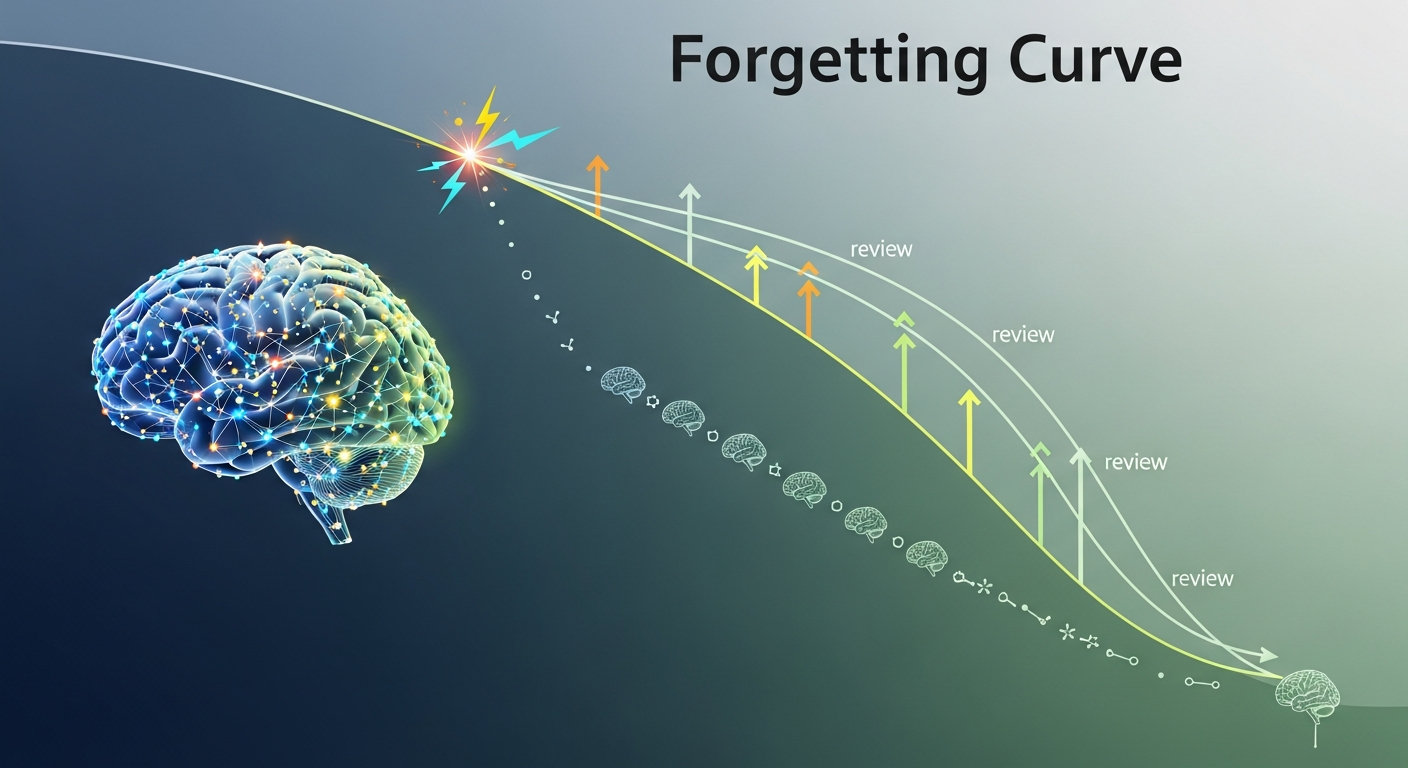
In the fast-paced world of modern business, knowledge is power. Yet, a fundamental human challenge persists: the natural decay of learned information. This phenomenon, famously charted by psychologist Hermann Ebbinghaus over a century ago, is known as the Forgetting Curve. It illustrates how rapidly we forget newly acquired information if it's not reinforced. For Learning & Development (L&D) professionals across diverse sectors like Insurance, Finance, Retail, Banking, Mining, Health care, Oil and Gas, and Pharma, understanding and strategically countering this curve isn't just an academic exercise—it's a critical imperative for ensuring operational excellence, compliance, and sustained competitive advantage.
Imagine a new sales associate forgetting critical product features just weeks after training, or a healthcare professional misremembering a crucial protocol. The consequences can range from lost sales and operational inefficiencies to significant compliance risks and even safety hazards. Recognizing the Forgetting Curve's impact is the first step; the next is deploying intelligent, evidence-based L&D strategies to bend it to your will, transforming ephemeral knowledge into lasting expertise.
Understanding the Forgetting Curve: A Business Imperative
Hermann Ebbinghaus's pioneering research revealed that much of what we learn is forgotten within hours or days if no effort is made to retain it. His curve demonstrates a steep initial drop in retention, followed by a more gradual decline. This isn't a sign of poor learning ability; it's a natural function of how our brains manage information. For organizations, this natural process translates directly into tangible business challenges:
- Reduced ROI on Training: Significant investment in L&D yields diminishing returns if knowledge quickly dissipates.
- Performance Gaps: Employees struggle to apply learned skills or recall vital information when needed.
- Compliance Risks: Industries with stringent regulations face heightened risks if compliance training isn't effectively retained.
- Operational Inefficiency: Repeated errors, slower task completion, and the need for constant re-training cost time and money.
The solution isn't to train more, but to train smarter, focusing on strategies that embed learning deeply and ensure long-term recall.
Counteracting the Curve: Strategies for Lasting Retention
Fortunately, L&D science offers powerful countermeasures to the Forgetting Curve. By consciously incorporating these principles, organizations can significantly enhance knowledge retention:
- Spaced Repetition: Re-exposing learners to information at increasing intervals reinforces memory pathways, moving knowledge from short-term to long-term storage.
- Microlearning: Delivering content in small, digestible chunks prevents cognitive overload and makes learning more accessible and easier to review.
- Active Recall: Encouraging learners to retrieve information from memory (e.g., through quizzes, practice questions) strengthens retention more effectively than passive re-reading.
- Gamification: Injecting game-like elements into learning environments boosts engagement, motivation, and makes repeated practice enjoyable.
- Adaptive Learning Paths: Personalizing the learning journey based on an individual's performance and knowledge gaps ensures that reinforcement is targeted where it's most needed.
Industry-Specific Applications: Building Knowledge Resilience
The principles for combating the Forgetting Curve are universal, but their application varies depending on industry-specific needs and challenges:
Insurance & Banking: Navigating Compliance and Complexity
In highly regulated sectors like Insurance and Banking, the stakes of forgotten knowledge are immense. Employees must stay updated on complex regulatory changes (e.g., AML, KYC), new financial products, and evolving risk assessment methodologies. Applying spaced repetition through daily quick quizzes on compliance topics, or using microlearning modules for new product features, ensures that critical information remains top-of-mind. This proactive approach mitigates legal and financial risks while improving customer service and sales effectiveness.
Retail: Elevating Customer Experience and Sales Expertise
Retail success hinges on product knowledge, sales techniques, and exceptional customer service. High employee turnover can exacerbate the Forgetting Curve challenge. Implementing microlearning modules for new product launches, gamified scenarios for sales skill practice, and short, regular refreshers on customer engagement strategies can dramatically improve staff performance. This ensures that every employee, from the sales floor to management, can articulate value propositions confidently and provide consistent, high-quality service.
Mining & Oil and Gas: Prioritizing Safety and Operational Efficiency
For Mining and Oil and Gas industries, forgotten knowledge can have catastrophic consequences, particularly concerning safety protocols and operational procedures. Regular, spaced repetition training on emergency response plans, equipment operation, and hazard identification is non-negotiable. Utilizing a Risk-focused Training approach with short, high-impact modules can reinforce critical safety behaviors and ensure adherence to best practices, preventing accidents and ensuring environmental compliance.
Health care & Pharma: Ensuring Patient Safety and Medical Efficacy
The Health care and Pharma sectors demand constant learning—from new drug information and treatment protocols to patient care best practices and ethical guidelines. The rapid evolution of medical science means that continuous, effective learning is paramount. Microlearning modules delivered via mobile devices for quick reference on drug interactions, adaptive learning paths for personalized skill development in new surgical techniques, and spaced repetition quizzes on patient privacy regulations are invaluable. This approach supports better patient outcomes, reduces medical errors, and ensures regulatory adherence.
Leveraging Technology to Defy Decay
Modern L&D technology offers sophisticated tools to combat the Forgetting Curve. Platforms designed with cognitive science in mind can automate spaced repetition, deliver microlearning effectively, and provide personalized learning experiences. A MaxLearn Microlearning Platform, for instance, is built to optimize knowledge retention through its inherent design principles.
Features like a Gamified LMS transform tedious compliance training or product updates into engaging, competitive challenges, boosting participation and recall. Adaptive Learning capabilities personalize the learning journey, presenting content and assessments based on an individual's performance and knowledge gaps, ensuring that training is always relevant and efficient. Furthermore, an AI Powered Authoring Tool can streamline content creation, allowing L&D teams to quickly develop and deploy engaging, retention-focused microlearning modules tailored to specific industry needs.
Addressing Key Questions with Smart L&D Solutions
The integration of advanced technology, particularly intelligent systems, is revolutionizing how we approach the Forgetting Curve:
Question: How can intelligent algorithms enhance knowledge retention strategies?
Answer: Intelligent algorithms are pivotal in creating personalized and adaptive learning experiences. They analyze individual learning patterns, track mastery levels, and predict when an individual is most likely to forget specific information. Based on this data, the algorithms can automatically trigger spaced repetition exercises, recommend relevant microlearning modules, or suggest active recall challenges at optimal intervals. This data-driven approach ensures that each learner receives the right information at the right time, dramatically improving long-term retention compared to one-size-fits-all training.
Question: What data-driven insights help tailor training content for maximum impact?
Answer: Advanced analytics provide deep insights into learner engagement, performance, and content effectiveness. By monitoring how users interact with training materials—which topics they struggle with, which formats they prefer, and how long they retain specific information—L&D teams can refine and optimize content. These insights help determine the ideal length of microlearning modules, the most effective media types (video, text, interactive exercises), and the optimal sequencing of topics to prevent cognitive overload and maximize comprehension, ensuring the training resonates and sticks.
Question: How can advanced analytics anticipate future skill gaps across different business units or roles?
Answer: Predictive analytics play a crucial role in proactive workforce development. By analyzing current employee performance data, industry trends, market shifts, and organizational strategic goals, advanced systems can forecast emerging skill requirements and potential knowledge deficits across various departments or job functions. This foresight allows L&D leaders to design and deploy targeted training programs before gaps become critical, ensuring the workforce remains agile, competitive, and prepared for future challenges, whether at a local branch or across global operations.
The ROI of Retention: A Smart Business Investment
Investing in L&D strategies that actively combat the Forgetting Curve yields significant returns. Employees who retain knowledge longer are more competent, make fewer errors, operate more efficiently, and contribute more effectively to business goals. This translates into:
- Higher productivity and operational efficiency.
- Reduced risks and improved compliance across regulated industries.
- Enhanced employee satisfaction and retention.
- Better customer service and increased sales in retail and banking.
- Improved safety records in high-risk environments like mining and oil & gas.
Conclusion
The Forgetting Curve is a natural human phenomenon, but it doesn't have to be a business liability. By understanding its mechanisms and strategically deploying modern L&D techniques—such as microlearning, spaced repetition, gamification, and adaptive learning, often powered by intelligent algorithms—organizations can transform how their employees learn and retain vital information. From ensuring regulatory compliance in finance to enhancing safety in mining, embracing these retention-focused strategies is not just about better learning; it's about building a more knowledgeable, resilient, and ultimately, more successful workforce ready to thrive in any industry.
.jpg)


