

Mastering the Memory Retention Curve: Strategies for Lasting Learning in L&D
In the relentless pace of modern business, knowledge is power, but forgotten knowledge is wasted potential. Every industry, from the precision of
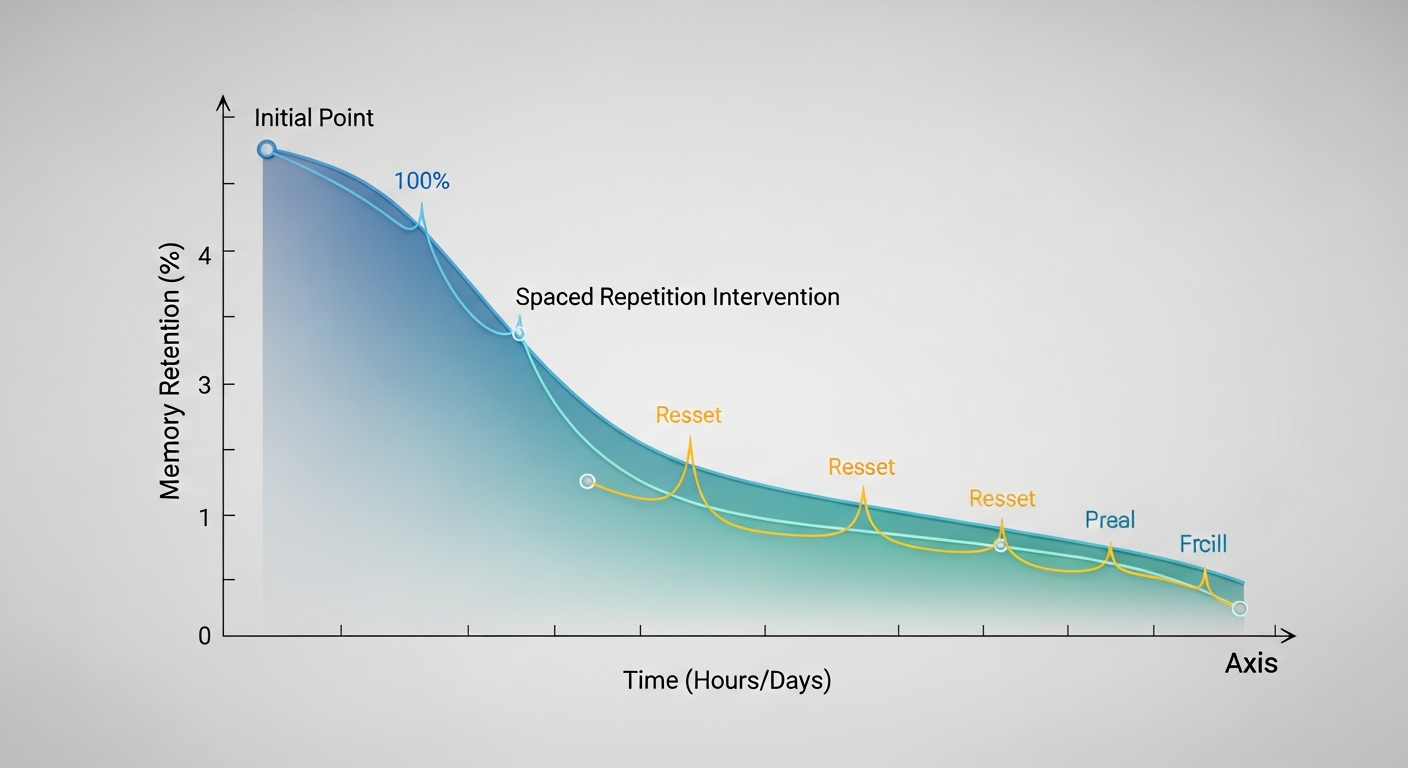
Insurance and Finance to the critical safety in Mining and Oil & Gas, and the life-saving innovations in Healthcare and Pharma, relies heavily on its workforce retaining vast amounts of information. Yet, a fundamental challenge persists: the dreaded "Memory Retention Curve." This scientific phenomenon, often referred to as the Ebbinghaus Forgetting Curve, illustrates how quickly humans forget newly learned information if it's not reinforced.
For Learning and Development (L&D) professionals, understanding and actively combating this curve is not just beneficial; it’s essential for driving performance, ensuring compliance, and fostering continuous growth. This article delves into the science behind memory retention and explores how cutting-edge L&D strategies and technology can transform fleeting knowledge into enduring expertise across diverse sectors.
Understanding the Memory Retention Curve
In the late 19th century, German psychologist Hermann Ebbinghaus pioneered studies on memory. His groundbreaking research revealed that without active reinforcement, much of what we learn is forgotten within hours or days. The forgetting curve typically shows a sharp decline in retention soon after learning, followed by a more gradual decline.
Imagine a training session on new compliance regulations in Banking, or an updated product line in Retail. Employees might grasp the information during the session, but without subsequent engagement, a significant portion can vanish from their minds, leading to errors, inefficiencies, and potential risks. This natural human tendency to forget poses a substantial hurdle for L&D initiatives aimed at creating a truly knowledgeable workforce.
The Business Impact of Poor Retention
- Increased Training Costs: Repeated training for forgotten information drains budgets.
- Compliance Risks: In sectors like Insurance, Finance, and Healthcare, forgetting critical rules can lead to severe penalties.
- Operational Inefficiencies: In Mining, Oil & Gas, and Pharma, forgetting safety protocols or operational procedures can lead to accidents or production delays.
- Reduced Performance: Employees in Retail and Banking might struggle with customer inquiries or sales pitches if product knowledge isn't solid.
- Stifled Innovation: If foundational knowledge isn't retained, building new skills becomes harder.
Strategies to Flatten the Forgetting Curve
The good news is that the Memory Retention Curve is not an insurmountable barrier. L&D professionals can employ several evidence-based strategies to significantly improve long-term knowledge retention.
- Spaced Repetition: This technique involves reviewing information at increasing intervals over time. Instead of cramming, learners revisit content just as they're about to forget it, reinforcing the memory. This method is incredibly effective for solidifying complex information, vital for medical professionals learning new procedures or engineers understanding intricate machinery.
- Microlearning: Breaking down complex topics into small, digestible chunks allows learners to absorb information without cognitive overload. These bite-sized modules are perfect for busy professionals, enabling them to fit learning into their daily routines. A robust MaxLearn Microlearning Platform can deliver these targeted bursts of knowledge efficiently.
- Gamification: Turning learning into a game makes it more engaging, motivating learners to participate actively and repeatedly. Points, badges, leaderboards, and interactive challenges stimulate friendly competition and boost recall. A Gamified LMS transforms routine training into an exciting experience, proving particularly effective for sales teams in Finance or Retail learning new products.
- Adaptive Learning: Not all learners are the same. Adaptive learning personalizes the learning path based on an individual's existing knowledge, learning style, and pace. This ensures that learners spend more time on topics where they need reinforcement and less on what they already know, optimizing efficiency and retention. Explore the benefits of Adaptive Learning for a tailored approach.
- Practical Application & Scenario-Based Training: Learning by doing is powerful. Applying new knowledge in realistic simulations or case studies helps learners connect theory to practice, making the information more memorable and directly transferable to their roles. This is crucial for emergency response training in Oil & Gas or diagnostic skills in Healthcare.
- Continuous Feedback and Reinforcement: Regular feedback helps learners identify gaps and correct misconceptions promptly. Ongoing quizzes, polls, and performance reviews embedded within the learning journey provide consistent reinforcement.
Leveraging Advanced Technology for Superior Retention
The advent of artificial intelligence (AI) has revolutionized how L&D can combat the memory retention curve, offering intelligent solutions that scale and adapt.
- AI-Powered Content Creation: AI can assist in generating highly relevant, personalized microlearning content, ensuring that the information is tailored to the learner's needs and context. An AI Powered Authoring Tool can dramatically speed up the creation of engaging and effective training materials.
- Intelligent Analytics: AI-driven platforms can analyze learner performance data to identify specific knowledge gaps, predict where forgetting might occur, and automatically recommend timely reinforcements or personalized learning paths. This proactive approach ensures interventions happen precisely when and where they're most needed.
Addressing Key Questions with Intelligent Insights
As organizations seek smarter ways to educate their workforce, several critical questions emerge about effective knowledge transfer and retention.
What is the science behind why employees forget new information so quickly?
The phenomenon of rapid forgetting, often described by Ebbinghaus's forgetting curve, is a natural cognitive process. Our brains are constantly bombarded with information, and without active effort to encode and retrieve new memories, they fade. This decay is exacerbated by a lack of emotional connection, relevance, or practical application. When training is passive, lengthy, or delivered without subsequent reinforcement, the brain quickly prunes unutilized neural pathways, leading to information loss. The key to countering this decay lies in activating and strengthening those pathways through spaced repetition, active recall, and making the learning experience meaningful and applicable.
How can large, multi-national organizations ensure consistent and lasting knowledge across their global workforce?
Ensuring consistent knowledge across a diverse, global workforce requires a strategic blend of centralized oversight and localized adaptability, powered by advanced technology. Intelligent learning platforms provide a unified system for content delivery and tracking, allowing for standardized core curricula while enabling customization for local regulations, cultural nuances, and language requirements. AI can analyze performance data from various regions, identifying common knowledge gaps or areas of excellence, informing global training adjustments. Furthermore, microlearning modules, delivered through mobile-first platforms, allow employees in different time zones and roles to access critical information flexibly. This approach fosters a cohesive learning culture while respecting local specificities, ensuring that essential knowledge, whether in compliance for global banking or safety for international mining operations, is consistently retained and applied worldwide.
What practical steps can L&D leaders take to significantly improve long-term knowledge retention in their training programs?
L&D leaders can implement several practical, technology-driven steps to dramatically improve long-term retention. First, transition from traditional, lengthy courses to a MaxLearn Microlearning Platform, breaking content into bite-sized, focused modules. Second, integrate spaced repetition into your learning design, scheduling automated reminders or short quizzes at increasing intervals after initial learning. Third, embrace gamification to increase engagement; a Gamified LMS can motivate learners through challenges, rewards, and leaderboards. Fourth, leverage Adaptive Learning technologies to personalize learning paths based on individual needs and performance. Fifth, utilize an AI Powered Authoring Tool to rapidly create and update highly relevant and engaging content. Finally, embed practical application and scenario-based exercises to bridge knowledge and real-world skills. By combining these strategies, L&D can create a dynamic learning ecosystem that actively combats forgetting and fosters lasting knowledge.
Risk Mitigation Through Enhanced Retention
For industries dealing with high stakes, such as Healthcare, Pharma, Mining, Oil & Gas, Insurance, and Finance, robust memory retention is directly linked to risk mitigation. Employees who confidently recall safety protocols, compliance regulations, critical operational procedures, or patient care guidelines are less prone to errors and better equipped to handle emergencies. Investing in effective L&D strategies that flatten the Memory Retention Curve is, therefore, a strategic imperative for business resilience and growth. Learn more about Risk-focused Training and its impact.
Conclusion
The Memory Retention Curve is a universal challenge, but it is not an unconquerable one. By understanding its principles and strategically deploying modern L&D methodologies—like microlearning, spaced repetition, gamification, and adaptive learning—powered by intelligent AI, organizations can significantly enhance their workforce's long-term knowledge retention. This leads to not only a more skilled and productive workforce but also reduced risks, improved compliance, and a stronger foundation for innovation across all sectors, from the fast-paced world of Retail to the complex demands of Pharma. Investing in smart learning is investing in a future where knowledge truly endures.
.jpg)


