

How To Overcome The Forgetting Curve: Strategies for Lasting Knowledge Retention
In today’s fast-paced corporate world, where information flows relentlessly and skills evolve daily, the challenge of retaining knowledge is more critical than ever. Professionals across industries – from Insurance and Finance to Healthcare, Mining, Retail, Oil & Gas, and Pharma – grapple with a fundamental human limitation: the forgetting curve. This phenomenon, first described by psychologist Hermann Ebbinghaus, illustrates how quickly we forget newly acquired information if it's not reinforced.
For Learning & Development (L&D) departments, understanding and actively combating the forgetting curve isn't just about academic interest; it's about safeguarding investments in training, ensuring compliance, boosting productivity, and fostering innovation. When employees forget crucial safety protocols, product details, regulatory updates, or sales techniques, the consequences can range from decreased efficiency to significant financial losses or even safety hazards. This article delves into practical, modern strategies to flatten the forgetting curve and cultivate a culture of lasting knowledge retention within your organization.
Understanding the Science of Forgetting
Ebbinghaus's groundbreaking research in the late 19th century revealed that humans tend to forget approximately 50% of new information within an hour, and around 70% within 24 hours, if there's no attempt to retain it. This rapid initial drop in memory retention is the essence of the forgetting curve. It highlights that the traditional approach of one-off training sessions, followed by little to no reinforcement, is inherently inefficient.
The implications are profound. Imagine a financial advisor forgetting crucial compliance regulations, a healthcare professional misremembering a new protocol, or a mining engineer overlooking a critical safety procedure. These scenarios underscore why L&D must adopt proactive, scientifically-backed methods to ensure knowledge sticks.
The Business Impact of the Forgetting Curve Across Industries
The cost of forgotten information reverberates through every sector:
- Insurance & Banking: Employees must recall complex product features, evolving regulations, and customer service best practices. Forgetting can lead to mis-selling, compliance breaches, and poor customer experiences.
- Healthcare & Pharma: The retention of clinical procedures, drug interactions, patient care protocols, and regulatory updates is paramount for patient safety and efficacy.
- Mining & Oil & Gas: Safety training, equipment operation, and emergency procedures are non-negotiable. Forgetting here can have catastrophic human and environmental consequences.
- Retail: Product knowledge, sales techniques, and customer engagement strategies drive revenue. Lapses in memory directly impact sales performance and brand perception.
In essence, the forgetting curve is a universal enemy of organizational effectiveness and growth. But there's good news: it can be overcome.
Effective Strategies to Flatten the Forgetting Curve
1. Embrace Microlearning and Spaced Repetition
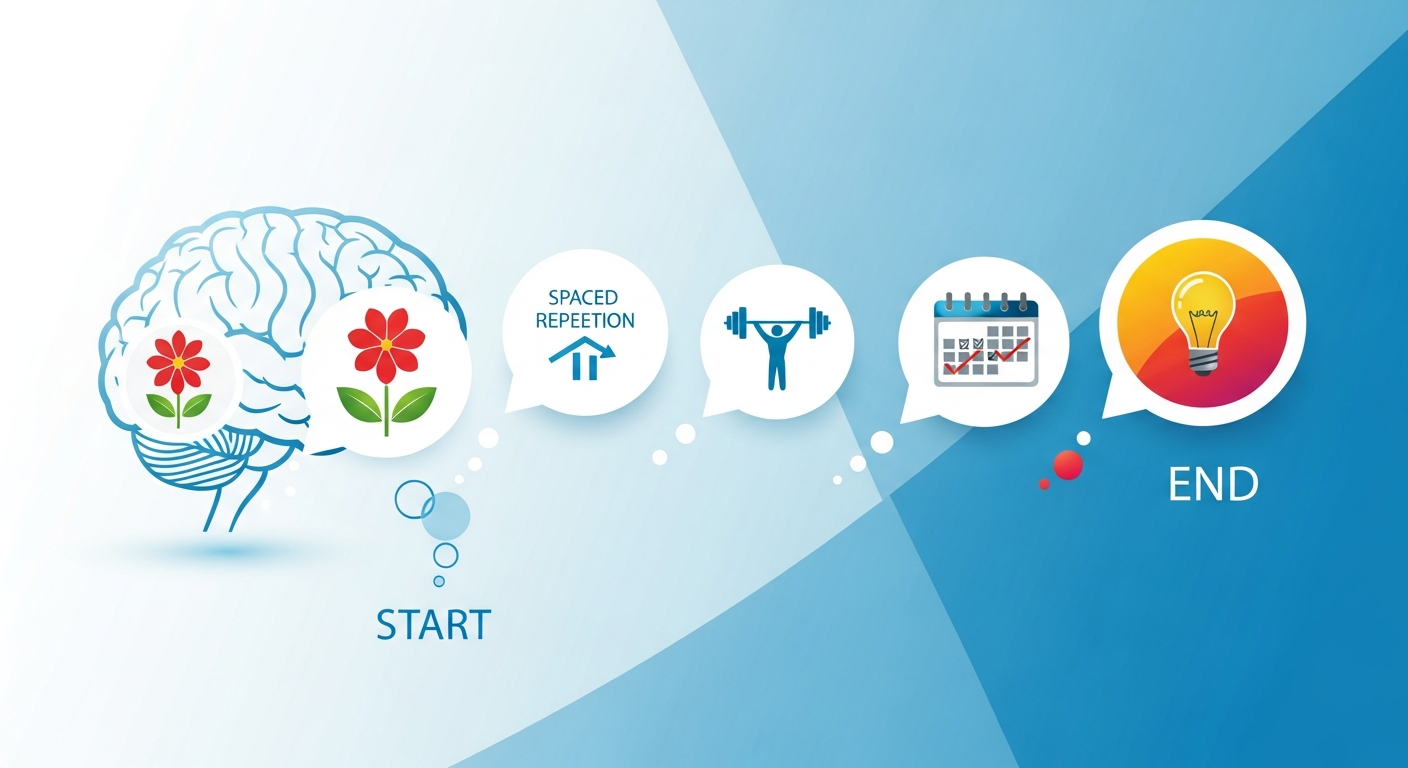
Traditional long-form training often overwhelms learners. MaxLearn Microlearning Platform addresses this by delivering information in bite-sized, digestible chunks (2-5 minutes). This approach aligns perfectly with our limited attention spans and busy schedules. When combined with spaced repetition – revisiting content at increasing intervals – it's a powerful antidote to forgetting. Microlearning modules can be easily integrated into daily workflows, providing just-in-time learning and reinforcement.
2. Foster Active Recall and Retrieval Practice
Instead of passively rereading notes, active recall involves actively trying to retrieve information from memory. This could be through self-quizzing, flashcards, or practice tests. The act of retrieval strengthens neural pathways, making the information easier to recall in the future. L&D can integrate short quizzes, scenario-based questions, and practical exercises into training programs to encourage this.
3. Leverage Gamification for Engagement and Retention
Learning doesn't have to be tedious. Introducing game-like elements such as points, badges, leaderboards, and challenges can significantly boost learner engagement and motivation. A Gamified LMS transforms routine learning into an enjoyable experience, encouraging consistent interaction with the material and thus, repeated exposure crucial for retention. This is particularly effective in industries like Retail, where competitive sales training can thrive on gamified leaderboards.
4. Implement Personalized and Adaptive Learning Paths
Every learner is unique. An Adaptive Learning system can analyze a learner's performance, identify knowledge gaps, and then tailor the content and pace to their specific needs. If an employee struggles with a particular concept, the system can provide additional resources or revisit that topic in a different format. This ensures that training is always relevant and maximally effective for each individual.
5. Integrate Real-World Application and Contextual Learning
Knowledge is best retained when it can be applied. Connect learning directly to real-world scenarios and job tasks. Use case studies, simulations, role-playing, and hands-on exercises. For instance, in Mining, simulated equipment operation can embed safety procedures more effectively than just reading a manual. In Finance, case studies of past compliance failures can highlight the importance of regulations.
6. Utilize Intelligent Tools for Content Creation
Creating engaging, up-to-date, and relevant learning content is time-consuming. An AI Powered Authoring Tool can significantly streamline this process. Such tools can help generate content, suggest improvements, and even personalize learning modules faster, ensuring that L&D teams can rapidly deploy and update material critical for continuous learning and combating the forgetting curve.
7. Prioritize Risk-focused Training
Not all information carries equal weight. In high-stakes industries like Healthcare, Finance, and Mining, identifying and focusing on critical, Risk-focused Training is paramount. By ensuring that employees thoroughly understand and retain information related to compliance, safety, and critical operational procedures, organizations can mitigate potential hazards and secure their business growth.
Intelligent Systems & Learning: Your Questions Answered
Q: How can intelligent systems enhance memory retention?
Modern learning platforms leverage advanced data analysis to track individual learning patterns. By identifying when a learner is most likely to forget certain information, these systems can automatically schedule timely reviews, deliver personalized refreshers, and recommend supplementary content. This precision scheduling of reinforcement exercises ensures that critical knowledge is revisited just before it's forgotten, significantly strengthening memory traces without overwhelming the learner.
Q: What role does smart technology play in making learning relevant to specific regions or operational contexts?
Smart technology enables the dynamic adaptation of learning content to suit geographical nuances and specific operational requirements. For example, a global organization can use these capabilities to deliver country-specific regulatory updates for its finance teams, or localized safety protocols for its mining operations in different regions. This ensures that content is not only current but also culturally and contextually appropriate, making it more relatable and memorable for the learner.
Q: How do learning platforms utilize algorithms to personalize content for individual users and optimize their learning journey?
Learning platforms employ sophisticated algorithms that continuously analyze a user's interactions, performance on assessments, and reported preferences. Based on this data, the algorithms can dynamically adjust the difficulty of content, suggest learning paths tailored to specific skill gaps, and recommend resources that align with an individual's learning style. This individualized approach ensures that each learner receives the most effective and efficient path to mastery, optimizing their overall learning journey and long-term knowledge acquisition.
Conclusion
The forgetting curve is an inherent challenge in human learning, but it is not an insurmountable one. By strategically implementing modern L&D approaches such as microlearning, spaced repetition, active recall, gamification, and adaptive learning, organizations across all sectors can significantly improve knowledge retention. Leveraging intelligent tools for content creation and focusing on risk-critical information further empowers L&D teams to build resilient learning cultures.
Investing in these proactive strategies not only flattens the forgetting curve but also translates into a more competent, compliant, and innovative workforce, driving sustained business success in an ever-evolving landscape. The future of L&D lies in smarter, more adaptive, and more engaging learning experiences that ensure knowledge, once gained, is knowledge that truly sticks.
.jpg)


