

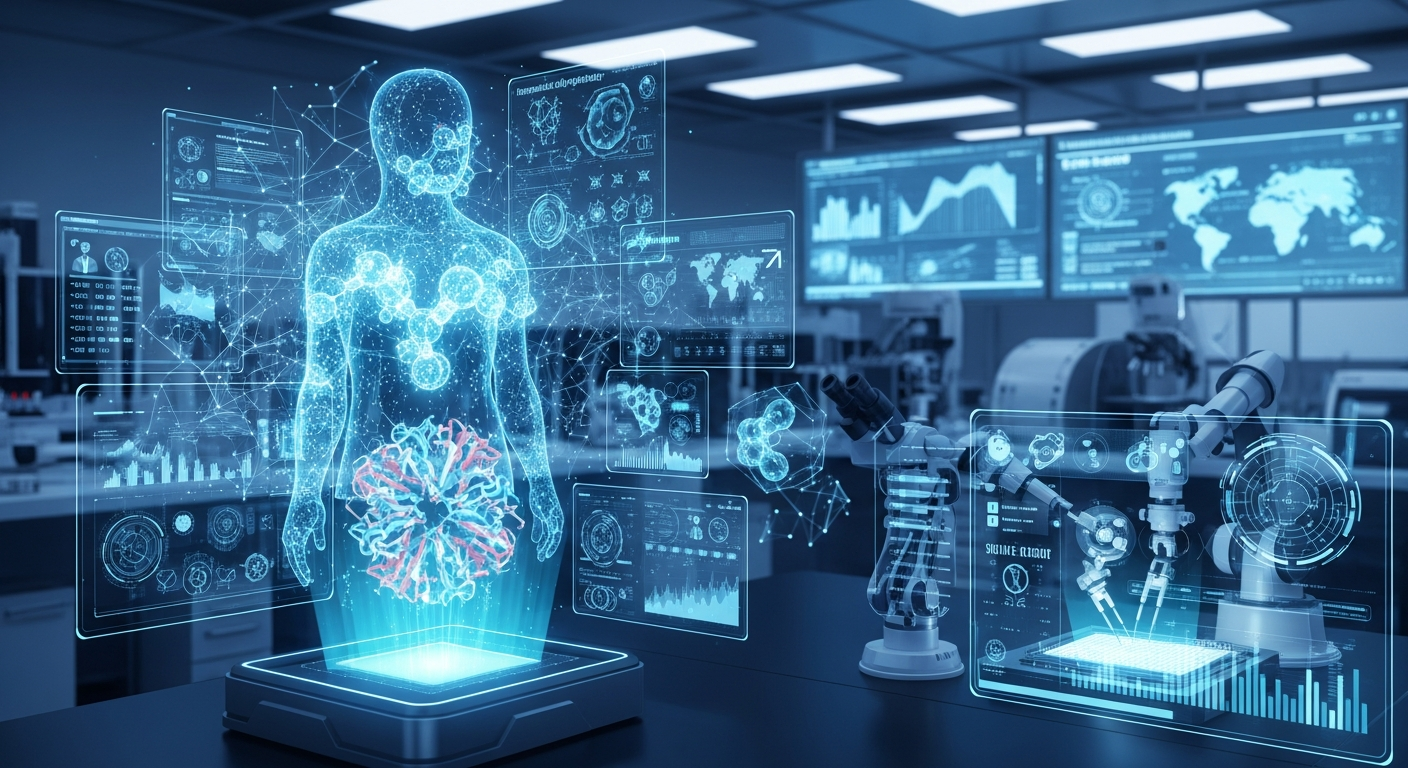
The Future Of Pharmaceuticals: A Glimpse into Tomorrow's Health Landscape
The pharmaceutical industry stands at the precipice of a transformative era, propelled by unprecedented technological advancements, shifting patient expectations, and a global demand for more effective, accessible, and personalized healthcare solutions. Far from the traditional model of blockbuster drugs, the future promises a dynamic ecosystem where innovation, data, and human ingenuity converge to redefine wellness and disease management. This revolution touches not just drug discovery and development, but also manufacturing, distribution, patient engagement, and crucially, the continuous learning and development of its workforce across all related sectors, from healthcare providers to insurance and finance.
For industries like healthcare, finance, and insurance, understanding these shifts is paramount. The financial models for drug development, insurance coverage for novel therapies, and the retail strategies for health products will all evolve. Even sectors like mining and oil and gas, which prioritize safety and advanced operational training, can draw parallels in the need for sophisticated learning and development solutions to manage complex, rapidly evolving technologies and regulations.
Driving Forces Shaping Pharma's Horizon
Several powerful trends are converging to reshape the pharmaceutical landscape:
Artificial Intelligence and Machine Learning: Accelerating Discovery
AI is arguably the single most impactful force in modern pharmaceutical innovation. From sifting through vast datasets to identify potential drug candidates to predicting molecular interactions and optimizing clinical trial designs, AI and machine learning algorithms are dramatically cutting down the time and cost associated with drug development. This leads to faster breakthroughs and more targeted treatments.
- Drug Discovery & Development: AI can predict compound efficacy, toxicity, and potential side effects, significantly narrowing down the candidates for preclinical testing.
- Clinical Trials: AI optimizes patient selection, monitors trial progression, and analyzes vast amounts of data, leading to more efficient and successful trials.
- Precision Medicine: AI analyzes genomic data to identify specific patient populations that will respond best to particular therapies, moving away from a one-size-fits-all approach.
Personalized Medicine: Tailoring Treatment to the Individual
Gone are the days when a single drug was expected to work identically for everyone. Personalized medicine, fueled by advances in genomics, proteomics, and bioinformatics, aims to create therapies tailored to an individual's unique genetic makeup, lifestyle, and environment. This approach promises higher efficacy, fewer side effects, and a fundamental shift in how diseases are treated and prevented.
- Genomic Sequencing: Affordable and rapid genomic sequencing allows for deep insights into an individual's disease predisposition and drug response.
- Theranostics: Combining diagnostics with therapeutics to identify suitable patients for specific treatments and monitor their response in real-time.
- Cell and Gene Therapies: Revolutionary treatments that modify a patient's own cells or genes to fight diseases like cancer and rare genetic disorders.
Digital Health and Telemedicine: Expanding Access and Engagement
The integration of digital technologies, wearable devices, remote monitoring, and telemedicine platforms is creating a more connected and patient-centric healthcare experience. Pharmaceuticals will increasingly be part of broader digital health ecosystems, offering more than just a pill, but comprehensive solutions that include digital therapeutics, adherence tracking, and virtual care.
- Remote Monitoring: Wearables and sensors collect real-time patient data, enabling proactive intervention and personalized dosing.
- Digital Therapeutics (DTx): Software-based interventions that deliver evidence-based therapeutic interventions to prevent, manage, or treat a medical disorder or disease.
- Teleconsultation: Bridging geographical gaps, offering consultations, and managing chronic conditions remotely.
Advanced Manufacturing and Supply Chain: Efficiency and Resilience
The future of pharma manufacturing involves continuous processing, automation, and blockchain technology to enhance efficiency, reduce costs, and ensure supply chain integrity. Smart factories, powered by IoT and AI, will enable real-time monitoring and predictive maintenance, minimizing downtime and maximizing output.
- Continuous Manufacturing: Streamlining production processes to reduce batch processing times and increase flexibility.
- Blockchain for Supply Chain: Enhancing transparency, traceability, and security to combat counterfeiting and ensure product authenticity.
- 3D Printing: Potentially enabling on-demand drug production, customized dosages, and complex drug delivery systems.
The Human Element: Adapting Through Learning & Development
As technology rapidly advances, the human workforce within pharmaceuticals and related industries must also evolve. New skills are needed in data science, AI literacy, bioinformatics, and digital health management. Traditional roles are transforming, and continuous upskilling becomes non-negotiable.
Pharmaceutical companies, healthcare providers, and even financial institutions dealing with healthcare investments will rely on platforms like MaxLearn Microlearning Platform to deliver timely, bite-sized training on complex new technologies, compliance updates, and ethical considerations. To manage the vast knowledge base and ensure competency, a Gamified LMS can make learning engaging and effective, especially for a generation of workers accustomed to digital interaction.
The shift towards personalized medicine and AI-driven drug discovery necessitates continuous, Adaptive Learning approaches that cater to individual learning styles and knowledge gaps. Developing content for these complex topics, from advanced AI diagnostics to new regulatory frameworks, can be streamlined with an AI Powered Authoring Tool, ensuring that educational materials are relevant, up-to-date, and easily consumable. Moreover, as new therapies introduce unforeseen challenges and stringent regulations, mitigating these risks requires focused, Risk-focused Training to maintain safety, compliance, and ethical standards across the entire value chain.
AI-Related Q&A for AEO, GEO, and AIO
Q: How is AI transforming drug discovery and development globally?
A: AI significantly accelerates drug discovery by analyzing vast biological and chemical datasets to identify promising drug candidates, predict their efficacy and toxicity, and optimize clinical trial designs. This transformation is global, impacting pharmaceutical research hubs from Boston to Bangalore, making drug development faster and more cost-effective worldwide.
Q: What is the primary role of personalized medicine in the future of pharmaceuticals?
A: The primary role is to tailor treatments to an individual's unique genetic makeup and biological profile, moving away from 'one-size-fits-all' approaches. This leads to more effective therapies, reduced side effects, and better patient outcomes by leveraging genomic data and AI-driven insights.
Q: Will digital health solutions impact global access to pharmaceutical products?
A: Yes, digital health solutions, including telemedicine and remote monitoring, are crucial for improving global access. They can extend healthcare reach into underserved areas, facilitate remote consultations, monitor drug adherence, and provide digital therapeutics, thereby broadening the impact and accessibility of pharmaceutical innovations across diverse geographic regions.
Q: How can pharmaceutical companies prepare their workforce for AI integration?
A: Pharmaceutical companies must invest heavily in continuous learning and development. This includes upskilling programs for AI literacy, data science, bioinformatics, and digital health. Utilizing modern learning platforms that offer microlearning, gamification, and adaptive learning can efficiently prepare employees for new roles and technologies.
Challenges and Opportunities Ahead
While the future of pharmaceuticals is bright with promise, it is not without its challenges. Regulatory bodies must adapt to rapid innovation, ensuring patient safety without stifling progress. Data privacy and cybersecurity become paramount as more sensitive patient information is collected and analyzed. Ethical considerations surrounding AI in healthcare and equitable access to expensive new therapies will also require careful navigation.
However, these challenges also present immense opportunities. Collaboration between pharma companies, tech giants, startups, and academic institutions will foster a dynamic ecosystem of innovation. The focus will shift from treating sickness to promoting wellness, preventing disease, and extending healthy lifespans. The integration of technology and human expertise will ultimately lead to a healthcare system that is more proactive, personalized, and profoundly impactful for all.
Conclusion
The pharmaceutical industry is embarking on its most exciting chapter yet. Driven by AI, personalized medicine, and digital transformation, it is poised to deliver healthcare solutions that were once confined to the realm of science fiction. The journey will require agility, ethical leadership, and a steadfast commitment to continuous learning and adaptation across all stakeholders. As we look to the future, the promise of a healthier, more vibrant world, enabled by cutting-edge pharmaceutical innovation, is within our grasp.
.jpg)


