

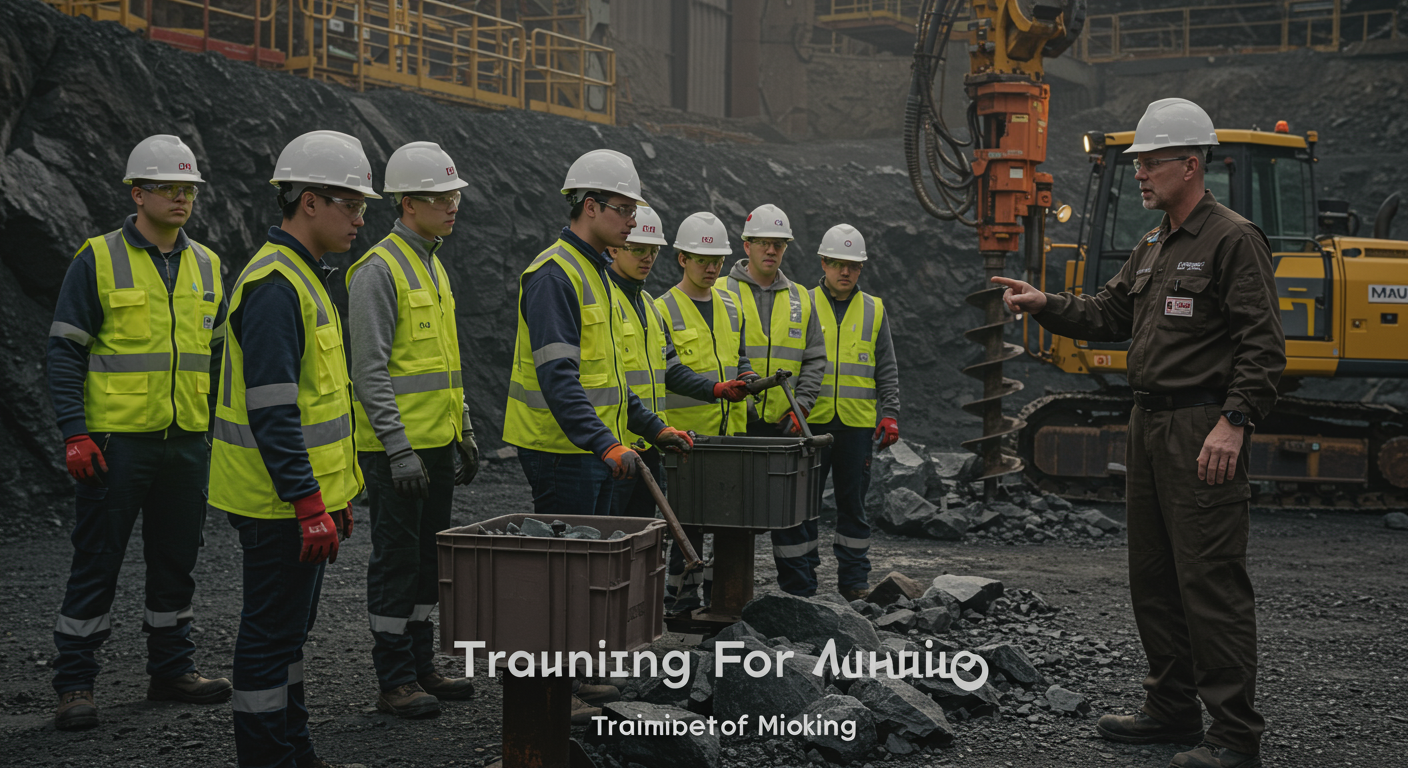
Training For Mining: Powering Safety, Efficiency, and Progress
The mining industry is the backbone of modern civilization, providing essential raw materials that fuel industries, build infrastructure, and power our daily lives. From the rare earth minerals in our smartphones to the coal that generates electricity and the iron ore for steel, mining’s contribution is immeasurable. However, it is also an industry fraught with inherent risks. Operating in challenging environments, often deep underground or in remote locations, miners face constant dangers ranging from rockfalls and machinery accidents to gas explosions and exposure to hazardous substances. In such a high-stakes environment, effective training is not just a regulatory requirement; it is a lifeline, a strategic imperative that underpins safety, operational efficiency, and sustained success.
For decades, mining training has evolved from rudimentary on-the-job apprenticeships to sophisticated programs designed to meet rigorous safety standards and complex operational demands. Today, as technology advances and safety regulations tighten, the need for cutting-edge, engaging, and continuously updated training solutions has never been more critical. Investing in robust training programs means investing in the well-being of your workforce, the longevity of your operations, and the reputation of your company.
The Pillars of Effective Mining Training
Safety First: The Non-Negotiable Imperative
Safety is, without doubt, the paramount concern in mining. Training in this area must be comprehensive and relentless, covering every conceivable hazard. This includes:
- Hazard Identification and Risk Assessment: Teaching miners to identify potential dangers before they escalate.
- Emergency Response Procedures: Training for evacuations, fire suppression, first aid, and rescue operations.
- Equipment Operation and Maintenance: Safe handling of heavy machinery, proper lockout/tagout procedures, and pre-shift inspections.
- Confined Space Entry: Protocols for working in enclosed areas with limited ventilation.
- Chemical and Substance Handling: Safe storage, use, and disposal of hazardous materials.
- Ground Control and Ventilation: Understanding geological stability and maintaining breathable air quality.
Effective safety training dramatically reduces the incidence of accidents, injuries, and fatalities, protecting lives and minimizing costly operational disruptions.
Operational Efficiency and Productivity
Beyond safety, training is vital for optimizing operational performance. Well-trained employees can operate machinery more efficiently, reduce waste, and improve extraction rates. This includes:
- Advanced Equipment Operation: Mastering new technologies and automated systems.
- Resource Management: Efficient use of energy, water, and raw materials.
- Process Optimization: Understanding and implementing best practices for mining processes, from blasting to beneficiation.
- Problem-Solving Skills: Equipping workers to troubleshoot issues quickly and effectively.
Higher efficiency translates directly into increased productivity, lower operating costs, and improved profitability for mining companies.
Regulatory Compliance and Environmental Stewardship
The mining industry is heavily regulated, with strict laws governing everything from safety standards to environmental impact. Training ensures that all personnel are aware of and adhere to these regulations, mitigating legal risks and penalties. Furthermore, training in environmental stewardship is crucial for responsible mining practices, covering aspects like:
- Waste Management: Proper disposal and recycling of mining by-products.
- Water Management: Minimizing water usage and preventing contamination.
- Land Rehabilitation: Restoring mined areas to their natural state.
- Community Engagement: Ethical practices and fostering positive relationships with local communities.
Compliance and environmental responsibility are not only legal obligations but also critical for maintaining a positive public image and securing a social license to operate.
Challenges in Traditional Mining Training
Despite its importance, traditional mining training often faces significant hurdles. These include the geographical remoteness of many sites, the diverse educational backgrounds of the workforce, shift-based work schedules, and the sheer volume of information that needs to be conveyed. Conventional classroom-based sessions can be:
- Time-Consuming and Disruptive: Pulling workers off the job for extended periods impacts productivity.
- Costly: Travel, accommodation, instructor fees, and facility rentals add up quickly.
- Inconsistent: Quality can vary depending on the instructor and location.
- Difficult to Update: Keeping materials current with evolving regulations and technologies is a slow process.
- Lacking Engagement: Passive learning often leads to poor knowledge retention.
Modern Solutions for Mining Training: Embracing Innovation
The digital age offers powerful solutions to overcome these challenges, making training more accessible, effective, and engaging.
Digital Transformation in Learning
Moving beyond static manuals and classroom lectures, digital learning platforms provide flexible, on-demand training. This shift allows miners to access crucial information anytime, anywhere, reducing downtime and accommodating varied schedules.
The Power of Microlearning
Microlearning, characterized by short, focused bursts of information, is particularly well-suited for the mining industry. Instead of lengthy modules, employees can learn or refresh specific skills and procedures in just a few minutes. A robust MaxLearn Microlearning Platform can deliver targeted content on critical safety checks, equipment diagnostics, or new compliance updates directly to miners' devices. This approach enhances knowledge retention and allows for continuous learning without overwhelming workers.
Engaging Learning Experiences
To combat disengagement, modern training incorporates interactive elements. A Gamified LMS (Learning Management System) can transform training into an enjoyable and competitive experience. By incorporating points, badges, leaderboards, and challenges, gamification motivates learners and encourages active participation. Furthermore, virtual reality (VR) and augmented reality (AR) simulations can provide realistic, risk-free training environments for operating complex machinery or practicing emergency procedures, replicating real-world scenarios without the associated dangers.
Personalized Learning Paths
Not all learners are the same. Some might need a refresher on specific safety protocols, while others require training on new equipment. Adaptive Learning technologies can tailor training content to individual needs, roles, and existing knowledge gaps. This personalized approach ensures that training is highly relevant, efficient, and maximizes impact, focusing on areas where an individual needs the most improvement.
Streamlined Content Creation
Keeping training materials current in a rapidly evolving industry is a significant challenge. An AI Powered Authoring Tool can dramatically speed up the development and updating of training content. These tools allow companies to create engaging, high-quality modules quickly, ensuring that all employees receive the most up-to-date information on safety regulations, operational best practices, and technological advancements.
Focusing on What Matters Most: Risk Reduction
At its core, mining training is about managing and mitigating risk. Traditional training often takes a broad-brush approach, but modern methodologies enable a more targeted strategy. Risk-focused Training concentrates specifically on the hazards most relevant to a particular role, site, or operation. By analyzing past incidents and potential threats, training programs can be designed to address specific vulnerabilities proactively. This approach uses scenario-based learning, incident re-enactments, and continuous assessments to ensure miners are prepared for the unique risks they might encounter.
Benefits of a Robust Training Program in Mining
The advantages of investing in a comprehensive and modern training program are far-reaching:
- Reduced Accidents and Incidents: The most direct and critical benefit, saving lives and preventing injuries.
- Improved Morale and Retention: Employees who feel valued and well-equipped are more engaged and less likely to leave.
- Enhanced Productivity and Efficiency: Skilled workers operate more effectively, leading to better output.
- Stronger Compliance and Reduced Legal Risks: Adherence to regulations avoids penalties and legal challenges.
- Positive Company Reputation: Demonstrating a commitment to safety and responsibility enhances public trust.
- Adaptability to Change: A well-trained workforce can more easily adopt new technologies and processes.
Conclusion
Training for mining is not merely an expense; it is an indispensable investment in human capital and operational resilience. As the industry continues to push the boundaries of technology and sustainability, the need for intelligent, engaging, and highly effective training solutions will only grow. By embracing innovative platforms like the MaxLearn Microlearning Platform, leveraging Gamified LMS features, implementing Adaptive Learning, utilizing AI Powered Authoring Tool capabilities, and committing to Risk-focused Training, mining companies can build a culture of safety, excellence, and continuous improvement. This strategic approach to training will not only protect their most valuable assets – their people – but also ensure the sustainable and profitable future of the mining industry.
.jpg)


