

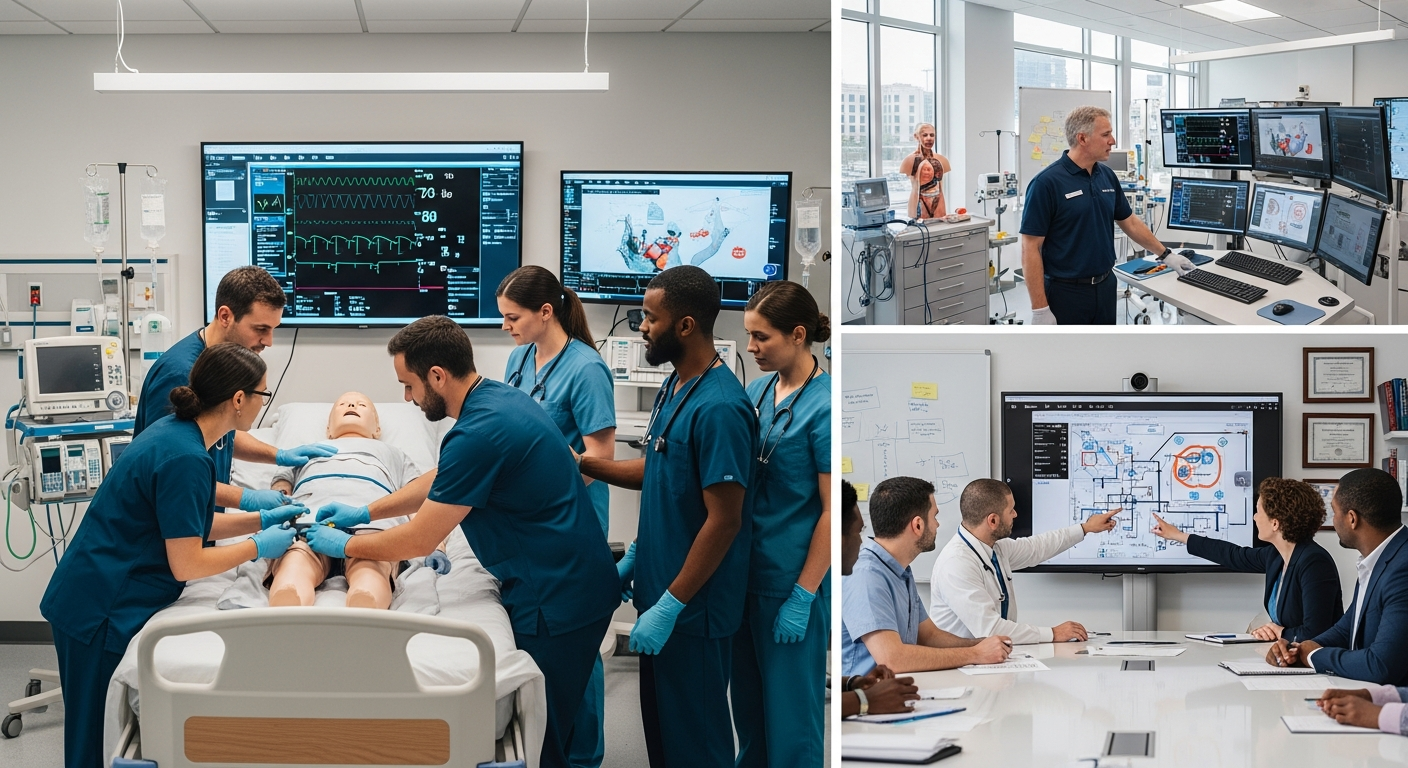
Training For Healthcare Professionals: Navigating the Future of Medical Education
In the fast-paced world of healthcare, where advancements emerge daily and patient well-being is paramount, the importance of continuous and effective training for healthcare professionals cannot be overstated. From mastering life-saving procedures to understanding evolving regulatory landscapes, medical practitioners must constantly update their knowledge and refine their skills. This isn't just about compliance; it's about delivering the highest standard of care, ensuring patient safety, and fostering professional growth within an ever-changing medical ecosystem.
Why Continuous Training is Crucial in Healthcare
The landscape of medicine is dynamic, driven by relentless research, groundbreaking technological innovation, and changing demographic needs. For healthcare professionals, staying current is not merely an option but a professional and ethical imperative. The consequences of outdated knowledge or skill gaps can be severe, impacting patient outcomes, institutional reputation, and operational efficiency.
- Evolving Medical Knowledge: New treatments, diagnostic methods, and evidence-based best practices emerge at an astonishing rate. Continuous education ensures healthcare providers remain at the forefront of medical science.
- Patient Safety & Outcomes: Well-trained and confident staff make fewer errors, adhere to protocols more rigorously, and provide higher quality, more effective care, directly leading to improved patient outcomes.
- Regulatory Compliance: Healthcare is a heavily regulated industry. Regular training ensures that all staff are up-to-date with the latest legal, ethical, and organizational policies, minimizing risks and avoiding penalties.
- Technological Advancements: The integration of new medical devices, digital health tools, electronic health record (EHR) systems, and telemedicine platforms demands ongoing training for proficient and safe usage.
- Professional Development: Investing in training enhances the skills and confidence of professionals, leading to higher job satisfaction, better retention rates, and a more engaged workforce.
Challenges in Healthcare Training
Despite its critical importance, delivering effective training in demanding healthcare environments faces unique hurdles that traditional learning methods often struggle to overcome.
- Time Scarcity: Healthcare professionals often work long hours with unpredictable schedules, making it difficult to attend lengthy, in-person training sessions.
- Diverse Learning Needs: A healthcare organization comprises a wide range of roles, experience levels, and learning preferences, requiring flexible and varied training approaches.
- Engagement and Retention: Traditional, passive learning methods can be monotonous, leading to low engagement, poor knowledge retention, and a perception that training is a burden rather than a benefit.
- Scalability and Accessibility: Training a large, geographically dispersed workforce efficiently and ensuring equitable access to learning resources can be a logistical nightmare.
- Measuring Effectiveness: Demonstrating the return on investment (ROI) of training programs and accurately measuring actual skill improvement and behavioral change remains a significant challenge.
Modern Approaches to Healthcare Training
Fortunately, innovative learning technologies and methodologies are emerging to address these challenges, transforming how healthcare professionals acquire and retain vital information.
Microlearning: The Future of Medical Education
One of the most effective strategies gaining significant traction is microlearning. By breaking down complex medical topics, procedures, and compliance modules into short, digestible bursts of content, microlearning perfectly accommodates the demanding schedules of healthcare professionals. It allows them to learn on the go, during brief breaks, or whenever a few minutes become available, without disrupting critical patient care duties. A platform like MaxLearn Microlearning Platform excels in delivering targeted, bite-sized content that is easy to consume, process, and remember, ensuring knowledge acquisition without overwhelming practitioners with information overload.
Gamification for Engagement and Retention
Engagement is a pivotal factor in successful knowledge retention. Incorporating game-like elements into training transforms the learning experience, making it more interactive, enjoyable, and often competitive. Features such as quizzes, points, leaderboards, badges, and simulated scenarios motivate learners to participate actively and master the content. A Gamified LMS can significantly boost participation rates, improve knowledge retention, and even foster a sense of teamwork and healthy competition, turning potentially mundane compliance modules into stimulating and memorable learning journeys.
Personalized Learning Paths
Every healthcare professional possesses unique strengths, weaknesses, prior knowledge, and learning preferences. Adaptive Learning systems leverage data analytics and artificial intelligence to tailor content to individual needs. By identifying specific knowledge gaps and performance weaknesses, these intelligent systems recommend highly relevant modules and resources, ensuring that learners focus their precious time on what they need most. This personalized approach optimizes learning efficiency, accelerates skill development, and fosters a more effective and satisfying educational experience for each individual.
Leveraging AI for Content Creation
Developing high-quality, accurate, and up-to-date training content, especially in a rapidly evolving field like healthcare, is both time-consuming and resource-intensive. An AI Powered Authoring Tool streamlines this entire process, enabling educators and subject matter experts to rapidly create, update, and manage vast libraries of learning materials. This not only significantly reduces content development costs and time-to-market for new training programs but also ensures that the training content remains consistently relevant and current with the latest medical advancements, guidelines, and regulatory changes, at scale.
Focusing on High-Impact Areas
In healthcare, certain areas inherently carry higher risks and demand specialized, rigorous training to prevent adverse events. Implementing Risk-focused Training allows organizations to strategically prioritize critical areas such as infection control, medication management, emergency response protocols, patient data privacy (HIPAA compliance), and fall prevention. By dedicating targeted microlearning modules and focused scenarios to these high-risk topics, healthcare facilities can proactively mitigate potential errors, enhance patient safety outcomes, and improve overall operational resilience and regulatory compliance.
Benefits of an Optimized Training Strategy
Adopting these modern, technology-driven training methodologies yields significant advantages that resonate across the entire healthcare spectrum.
- Improved Patient Care and Safety: A highly skilled, knowledgeable, and confident workforce directly translates to better patient outcomes, fewer medical errors, and enhanced overall safety.
- Enhanced Professional Development & Morale: Providing accessible and engaging opportunities for continuous learning fosters professional growth, boosts morale, and increases job satisfaction among healthcare staff.
- Operational Efficiency: Well-trained staff perform tasks more competently and efficiently, reducing rework, minimizing waste, and streamlining clinical and administrative workflows.
- Stronger Regulatory Compliance: Consistent, trackable, and up-to-date training ensures unwavering adherence to all legal, ethical, and industry standards, reducing the risk of non-compliance.
- Reduced Staff Turnover: Investing in employees' development through cutting-edge training platforms demonstrates organizational commitment, fostering loyalty and significantly reducing costly recruitment and onboarding cycles.
Implementing an Effective Training Program
To successfully integrate these modern approaches and build a robust training ecosystem, healthcare organizations should consider a strategic framework:
- Conduct a Thorough Needs Assessment: Begin by identifying specific skill gaps, compliance requirements, and learning preferences within your diverse team. This will inform content development and platform selection.
- Choose the Right Technology Partner: Select a Learning Management System (LMS) that is not only robust but also supports microlearning, gamification, and adaptive learning paths, tailored specifically for the unique demands of the healthcare environment.
- Foster a Culture of Continuous Learning: Encourage staff to embrace ongoing education as an integral part of their professional identity, providing incentives and recognition for learning achievements.
- Measure and Iterate: Continuously evaluate the effectiveness of training programs through data analytics, learner feedback, and performance metrics. Be prepared to refine and optimize programs based on these insights.
Conclusion
The future of healthcare depends unequivocally on a workforce that is not only highly skilled but also continually adapting to new challenges, technologies, and opportunities. By proactively embracing innovative training methodologies like microlearning, gamification, adaptive learning, and AI-powered content creation, healthcare organizations can empower their professionals to deliver exceptional care in an increasingly complex world. Investing in cutting-edge training isn't merely an expense; it is a critical, strategic investment in patient safety, staff excellence, operational resilience, and the enduring strength and adaptability of the entire healthcare system. The journey to a more competent, confident, and future-ready healthcare workforce begins with a steadfast commitment to modern, effective, and truly engaging professional development.
.jpg)


