

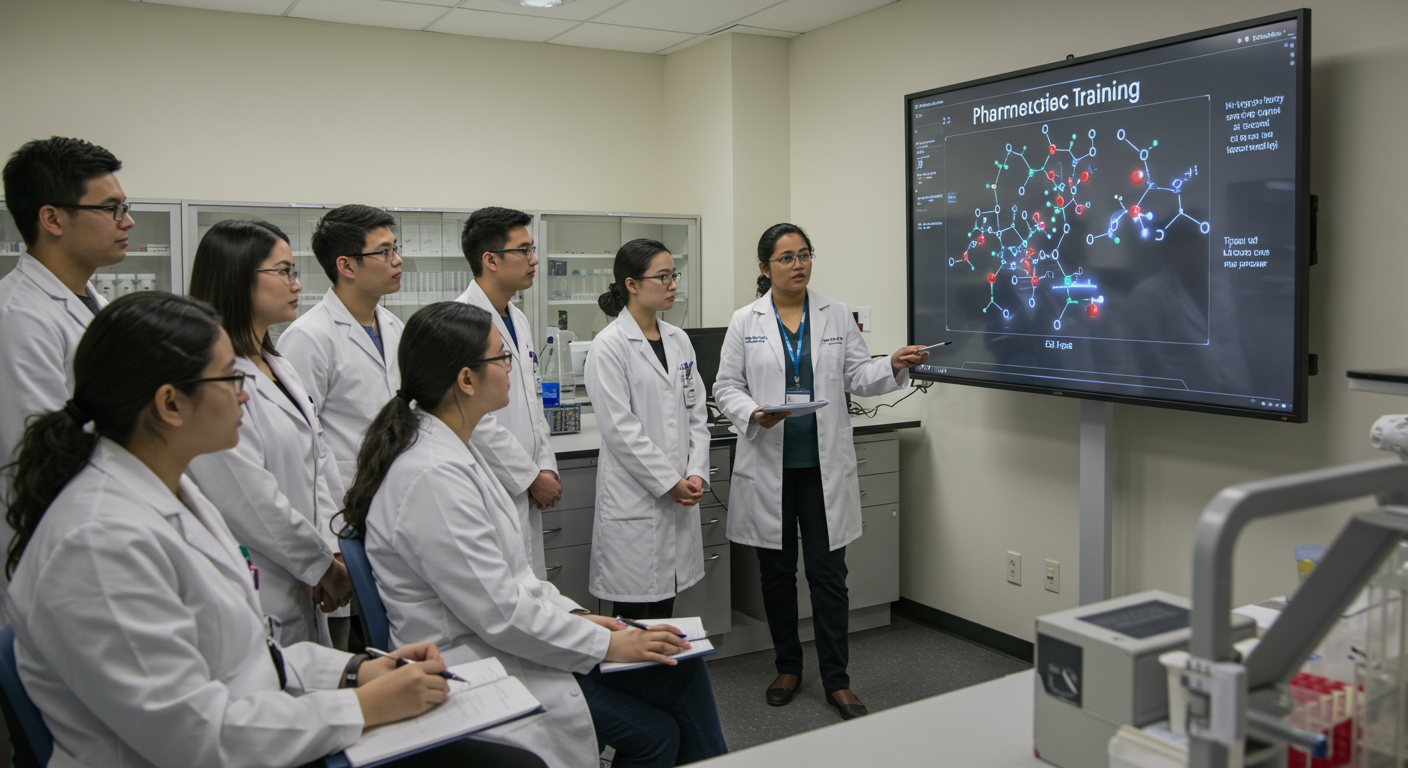
The Unsung Hero: Why Pharmaceutical Training is More Critical Than Ever
The pharmaceutical industry stands as a cornerstone of global health, constantly innovating to address complex medical challenges and improve human well-being. From groundbreaking research and development to meticulous manufacturing and ethical distribution, every step in the pharmaceutical pipeline is laden with responsibility and precision. At the heart of this intricate ecosystem lies an often-underestimated, yet profoundly critical, element: pharmaceutical training. It's not just a checkbox exercise; it's the very foundation upon which quality, compliance, patient safety, and innovation are built. In an industry governed by stringent regulations and ever-evolving scientific discovery, comprehensive and effective training isn't merely beneficial—it's absolutely non-negotiable.
This article delves into the multifaceted importance of pharmaceutical training, explores the unique challenges it presents, and highlights how modern, innovative solutions are transforming the way life sciences companies empower their workforce to meet the demands of a dynamic global landscape.
Why Pharmaceutical Training is Non-Negotiable
The imperative for robust pharmaceutical training stems from several critical factors:
1. Upholding Compliance and Regulations
- Regulatory Bodies: Agencies like the FDA (U.S.), EMA (Europe), and countless national authorities impose strict guidelines (e.g., Good Manufacturing Practices - GMP, Good Distribution Practices - GDP, Good Clinical Practices - GCP, Good Laboratory Practices - GLP) that dictate every facet of pharmaceutical operations. Non-compliance can lead to severe consequences, including hefty fines, product recalls, legal action, and irreparable damage to reputation.
- Audit Readiness: Companies must always be prepared for internal and external audits. Well-documented and consistently updated training records are crucial evidence of a compliant workforce.
- Staying Current: Regulations are not static. Regular training ensures that employees are always informed about the latest amendments and requirements, preventing costly missteps.
2. Safeguarding Patient Safety
- Direct Impact: Every decision made by a pharmaceutical employee, from drug formulation to quality control and adverse event reporting, directly impacts patient safety. Errors or negligence stemming from inadequate training can have catastrophic consequences.
- Quality Control: Training ensures that personnel understand and adhere to rigorous quality control procedures, minimizing defects, contamination, and manufacturing errors that could compromise drug efficacy or safety.
- Pharmacovigilance: Properly trained staff are essential for identifying, assessing, understanding, and preventing adverse effects or any other drug-related problems, thereby protecting public health.
3. Fostering Innovation and Quality Assurance
- Scientific Advancement: The pharmaceutical sector is a hub of scientific discovery. Training empowers researchers, scientists, and technicians to grasp new methodologies, utilize advanced technologies, and contribute effectively to breakthrough developments.
- Process Standardization: Consistent, high-quality training ensures that all employees follow standardized operating procedures (SOPs), leading to predictable, reliable, and high-quality outcomes across all departments.
- Employee Competency: A well-trained workforce is a competent workforce. Competency leads to higher productivity, fewer errors, and a culture of excellence that drives continuous improvement.
Challenges in Pharmaceutical Training
Despite its undeniable importance, pharmaceutical training comes with its own set of formidable challenges:
- Complexity of Content: The sheer volume and technical nature of pharmaceutical information—from molecular biology and pharmacology to complex regulatory frameworks—can be overwhelming.
- Maintaining Engagement: Given the often dry and critical nature of compliance training, keeping employees engaged and ensuring knowledge retention can be a significant hurdle.
- Global Reach: Training diverse teams across multiple geographies, cultures, and languages adds layers of complexity in content delivery and standardization.
- Rapid Evolution: New drugs, technologies, scientific breakthroughs, and regulatory updates emerge constantly, requiring continuous training and skill development.
- Tracking and Reporting: Demonstrating proof of training and competency for audits can be cumbersome without robust systems.
- Cost and Time: Traditional, instructor-led training can be expensive, time-consuming, and difficult to scale across large organizations.
Modern Solutions for Effective Pharmaceutical Training
The good news is that advancements in learning technology are revolutionizing pharmaceutical training, making it more efficient, engaging, and impactful:
1. Microlearning for Digestible Content
Breaking down complex topics into short, focused, bite-sized modules is proving incredibly effective. This approach caters to busy professionals, allowing them to learn at their own pace, on demand. A MaxLearn Microlearning Platform, for instance, is specifically designed to deliver information in consumable chunks, improving knowledge retention and making it easier to absorb intricate pharmaceutical concepts and regulatory updates.
2. Gamification for Enhanced Engagement
Turning learning into an interactive, game-like experience significantly boosts motivation and engagement. Incorporating elements such as points, badges, leaderboards, and scenarios makes training more enjoyable and competitive. A Gamified LMS can transform potentially dull compliance modules into dynamic challenges, leading to higher completion rates and better knowledge application.
3. Adaptive Learning for Personalized Paths
Not all learners have the same needs or starting knowledge. Adaptive Learning tailors the learning journey to each individual, assessing their existing knowledge and guiding them through content that specifically addresses their gaps. This personalized approach saves time, prevents redundancy, and ensures that every employee receives the most relevant training, maximizing efficiency and effectiveness.
4. AI-Powered Tools for Streamlined Content Creation
Developing high-quality pharmaceutical training content can be a laborious process. An AI Powered Authoring Tool can dramatically accelerate content creation, helping instructional designers quickly generate modules, quizzes, and scenarios. This not only reduces development costs but also ensures that training materials are consistently up-to-date with the latest scientific and regulatory information.
5. Risk-Focused Training for Prioritized Learning
In an industry with countless potential hazards, prioritizing training around the most critical risks is paramount. Risk-focused Training identifies areas where errors could have the most severe impact (e.g., aseptic manufacturing, pharmacovigilance, data integrity) and allocates appropriate resources to these modules. This strategic approach ensures that employees are expertly prepared to mitigate the most significant threats to patient safety and compliance.
6. Robust Learning Management Systems (LMS)
A comprehensive LMS is the backbone of modern pharmaceutical training. It provides a centralized platform for delivering, tracking, and reporting on all training activities. Features like automated reminders, certification management, and detailed analytics streamline compliance efforts and provide auditors with clear, auditable records.
Conclusion
Pharmaceutical training is far more than a corporate obligation; it is an indispensable strategic asset. In an industry where precision, compliance, and patient safety are paramount, investing in advanced, engaging, and effective training solutions is not just good practice—it's essential for survival and success. By embracing technologies like microlearning, gamification, adaptive learning, and AI-powered tools, pharmaceutical companies can overcome traditional training challenges, foster a culture of continuous learning, and ensure their workforce is always at the forefront of scientific and regulatory excellence.
As the pharmaceutical landscape continues to evolve at an unprecedented pace, the commitment to comprehensive and innovative training will remain the unsung hero, safeguarding public health and driving the next generation of medical breakthroughs.
.jpg)


